Trump Rejects Iran Peace Deal; Oil Surges Amid Geopolitical Tensions
President Donald Trump rebuffed Iran's peace proposal as "totally unacceptable" on May 10, 2026, intensifying the 10-week conflict. This rejection sent global oil prices surging by 3-5% due to fears of continued supply disruptions from the Strait of Hormuz, impacting international markets and raising inflation concerns.
Key Highlights
- Trump rejects Iran's peace counterproposal as "totally unacceptable".
- Oil prices jump 3-5% due to escalating US-Iran conflict.
- Strait of Hormuz remains largely closed, disrupting global oil supply.
- Iran demanded war compensation, sanctions lift, and Strait control.
- US proposed ending hostilities, followed by nuclear talks.
- Trump's upcoming China visit to discuss Iran conflict and trade.
On May 10, 2026, President Donald Trump publicly dismissed Iran's response to a U.S. peace plan as "totally unacceptable" in a social media post, significantly impacting global markets and escalating geopolitical tensions in the Middle East. This rejection followed a period of intense negotiations aimed at resolving a ten-week-old conflict between the United States and Iran that began around February 28, 2026.
The primary consequence of this diplomatic setback was an immediate surge in global oil prices. Brent crude futures climbed by approximately 3-5%, reaching over $104-$105 a barrel, while U.S. West Texas Intermediate (WTI) crude futures approached $100 per barrel. This sharp increase was attributed to renewed concerns over the stability of global oil supplies, particularly given that the strategically vital Strait of Hormuz remains largely closed or significantly disrupted due to the ongoing conflict. The Strait, through which roughly one-fifth of the world's oil supply typically flows, has been a central pressure point in the conflict, with both the U.S. and Iran imposing blockades.
According to various reports, the U.S. had put forward a peace framework proposing an immediate end to hostilities, the reopening of the Strait of Hormuz, and then subsequent detailed negotiations on more complex issues, including Iran's nuclear ambitions. This U.S. proposal was reportedly a one-page, 14-point memorandum of understanding. Iran's counterproposal, conveyed through Pakistani mediators, outlined several key demands. These included compensation for war damages, explicit recognition of Iranian sovereignty over the Strait of Hormuz, an end to the U.S. naval blockade, guarantees against future attacks, the lifting of U.S. sanctions, and the cessation of the U.S. ban on Iranian oil sales. Furthermore, reports indicated that Iran suggested diluting some of its highly enriched uranium and transferring the remainder to a third country, but crucially refused to dismantle its nuclear facilities – a non-starter for the White House negotiating team. Iranian officials reportedly viewed the U.S. conditions as "excessive demands" and accepting them as tantamount to "surrender".
The current situation marks a critical juncture, especially as a fragile, month-old ceasefire between the two nations appears to be fraying, with recent exchanges of hostilities near the Strait of Hormuz. The renewed tensions and lack of a peace agreement have significant global economic implications, fueling worries over an inflationary spike in countries worldwide. India, a major importer of Iranian oil, is among the nations particularly affected by these developments.
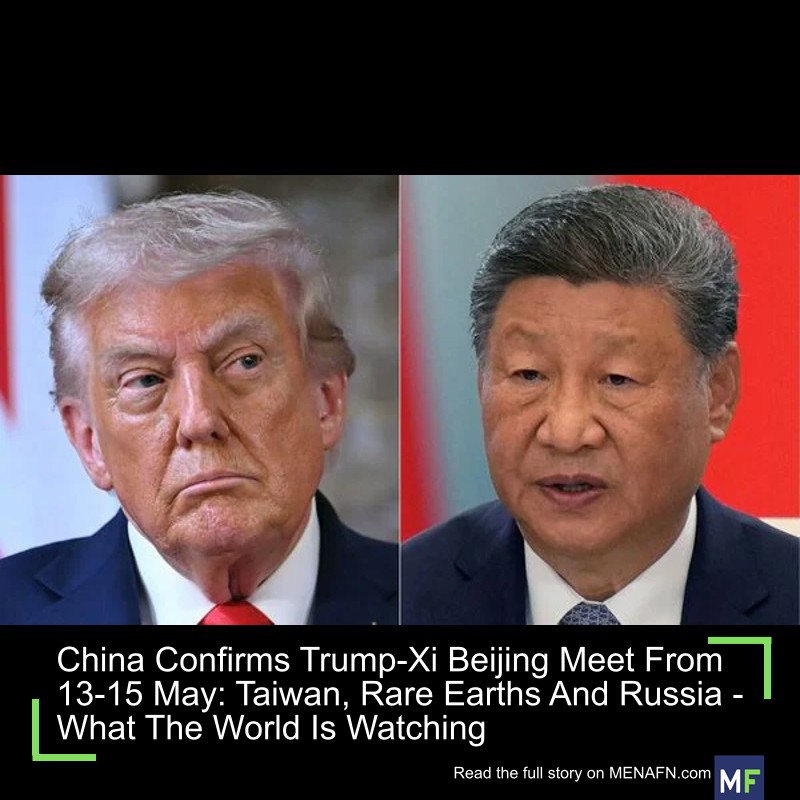
Looking ahead, President Trump is scheduled to visit China between May 13 and 15, 2026, for talks with President Xi Jinping. The Iran conflict is expected to be a major topic of discussion, alongside trade tariffs and Taiwan. Analysts view China as a potentially influential diplomatic player due to its economic ties with Tehran. Additionally, market observers are keenly awaiting the release of the U.S. Consumer Price Index (CPI) data for April later this week, which is anticipated to provide further insight into the inflationary impact of the prolonged Iran war on the U.S. economy. The ongoing volatility in the oil market, driven by geopolitical headlines, underscores the significant supply disruptions in the Persian Gulf.
Frequently Asked Questions
What led to President Trump's rejection of Iran's peace plan?
President Trump rejected Iran's counterproposal on May 10, 2026, reportedly because Iran's demands, including compensation for war damages, control over the Strait of Hormuz, and refusal to dismantle nuclear facilities, were deemed "totally unacceptable" to the U.S..
How has the rejection of the peace plan impacted global oil prices?
Following the rejection, global oil prices surged significantly by 3-5%, with Brent crude exceeding $104-$105 a barrel. This rise is primarily due to heightened fears of prolonged supply disruptions and instability in the Strait of Hormuz, a critical oil shipping lane that remains largely closed amidst the conflict.
What are Iran's key demands in the ongoing peace negotiations?
Iran's key demands include compensation for war damages, recognition of its sovereignty over the Strait of Hormuz, an end to the U.S. naval blockade, guarantees against future attacks, and the lifting of all U.S. sanctions, as well as an end to the U.S. ban on Iranian oil sales.
What is the significance of the Strait of Hormuz in this conflict?
The Strait of Hormuz is a crucial global chokepoint through which about one-fifth of the world's oil supply typically passes. Its continued disruption due to the US-Iran conflict and naval blockades is a primary factor driving up global oil prices and poses a significant threat to global energy security and trade.
How does this news impact India?
As a major importer of Iranian oil, India is directly affected by the instability in global oil markets and the surge in oil prices. The escalating conflict and potential for prolonged supply disruptions can contribute to inflationary pressures and economic challenges for India.