Israel-Lebanon Conflict: Escalating Hostilities and Regional Tensions
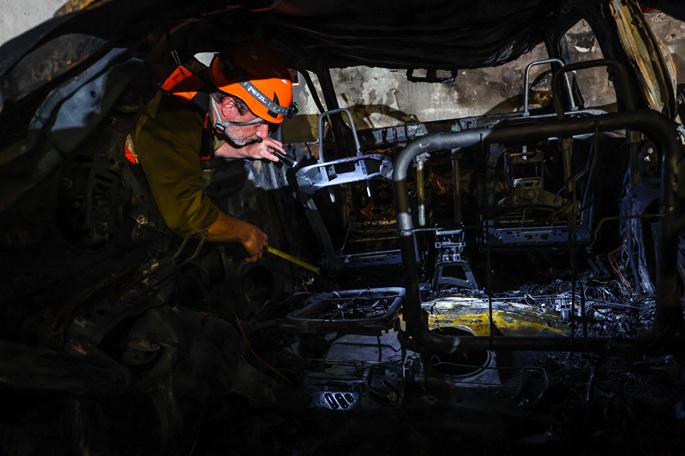
The ongoing conflict between Israel and Hezbollah, intensified since October 2023, involves cross-border attacks and Israeli ground operations in southern Lebanon. Both sides have experienced significant displacement and casualties, while international efforts aim for de-escalation, largely based on UN Resolution 1701.
Key Highlights
- Conflict escalated after Oct 2023 Hamas attacks on Israel.
- Israel targets Hezbollah's military capabilities in southern Lebanon.
- Significant civilian displacement in both Israel and Lebanon.
- International calls for ceasefire and adherence to UN Resolution 1701.
- Internal divisions in Lebanon are exacerbated by the conflict.
The current phase of the Israel-Hezbollah conflict, which significantly escalated following the Hamas attacks on Israel in October 2023, represents a dangerous intensification of long-standing hostilities. Hezbollah initiated cross-border attacks in solidarity with Palestinians, prompting retaliatory strikes and ground operations by the Israeli military in southern Lebanon. Israel's stated objectives include dismantling Hezbollah's military infrastructure, pushing the group away from its northern border, and establishing a security buffer zone. This has led to extensive aerial bombardments, targeted assassinations of Hezbollah leadership, and ground incursions into Lebanese territory.
The human cost of this conflict has been severe. Over a million Lebanese civilians have been displaced, and tens of thousands of Israelis have been forced to evacuate their homes in northern Israel. The fighting has resulted in substantial casualties on both sides, with reports indicating thousands killed and wounded, primarily civilians. The destruction of infrastructure in southern Lebanon has been widespread, further complicating any potential return for displaced populations.
A notable event in September 2024 was the coordinated pager explosions targeting Hezbollah operatives across Lebanon and Syria, which led to significant casualties within the organization. While a ceasefire was brokered in November 2024, its implementation has been fragile, with sporadic fighting and continued cross-border exchanges. The agreement, rooted in UN Security Council Resolution 1701, calls for the disarmament of Hezbollah, the withdrawal of Israeli forces, and the deployment of the Lebanese army and UN peacekeepers in southern Lebanon. However, the full implementation of this resolution remains a significant challenge.
The conflict is not confined to military exchanges; it has also exacerbated Lebanon's internal political and societal divisions. The war strains the country's fragile state institutions and sectarian balance, as displaced Shi'ite Muslims from Hezbollah's support base move into other communities, creating new tensions. The Lebanese government's attempts to assert authority and disarm Hezbollah have been met with resistance, highlighting the group's significant power within the country.
Internationally, diplomatic efforts, led by the United States and France, have focused on de-escalation and achieving a stable ceasefire. However, the broader regional context, particularly the ongoing tensions involving Iran, continues to influence the dynamics of the conflict. Recent escalations, including increased ground operations and a high volume of cross-border attacks since March 2026, indicate that the situation remains highly volatile and poses a significant threat to regional stability.
Frequently Asked Questions
undefined
undefined
undefined
undefined
undefined
undefined
undefined
undefined
undefined
undefined