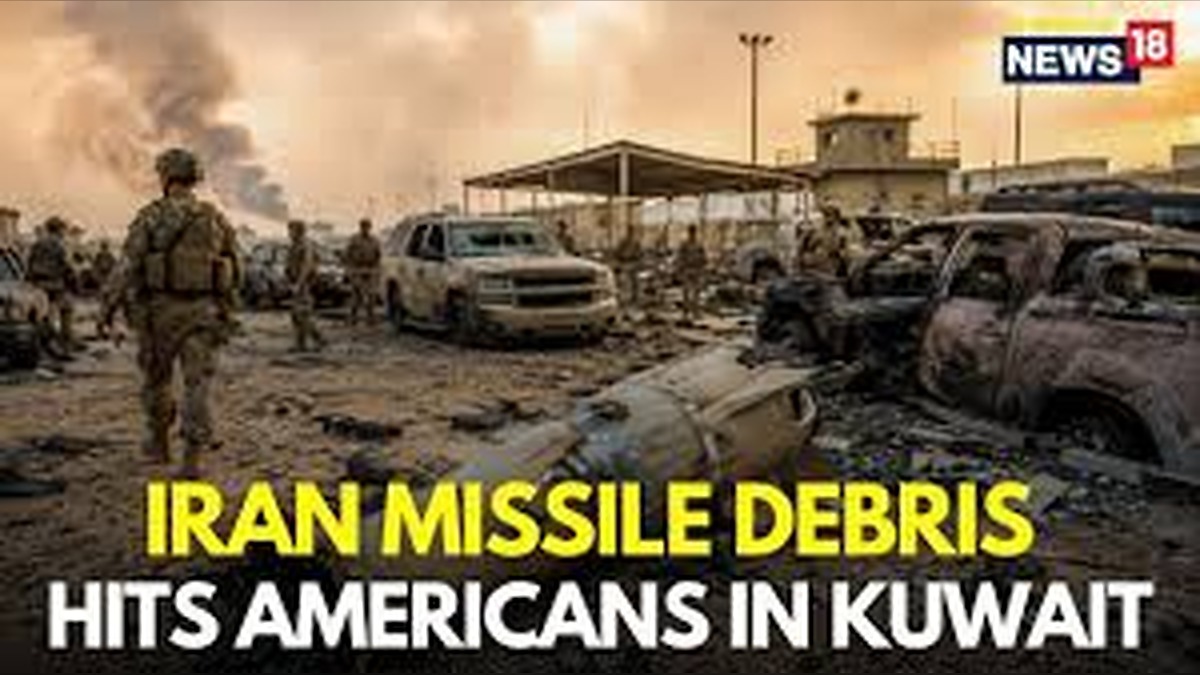
Kuwait intercepts missile and drone attacks amid regional tensions
Kuwait's air defense systems intercepted incoming missile and drone attacks, with sirens sounding across the country. The incident occurred amid heightened regional tensions stemming from US-Iran hostilities and the ongoing conflict in Lebanon.
Key Highlights
- Kuwait's air defenses actively engaged and intercepted hostile missile and drone threats.
- Sirens were heard across Kuwait during the aerial attack.
- The incident is linked to broader regional escalations between the US and Iran.
- Kuwait's military confirmed the successful interception of the threats.
- No immediate reports of casualties or significant damage were announced.
Kuwait's air defense systems were activated to intercept a barrage of hostile missile and drone attacks, prompting sirens to sound across the nation. The state news agency KUNA reported that the country's air defenses were actively confronting the threats, and any audible explosions were a result of successful interceptions. While the origin of the attacks was not immediately specified, the incident occurred amidst a backdrop of escalating regional tensions, particularly those stemming from ongoing US-Iran hostilities and the widening conflict between Israel and Hezbollah in Lebanon.
Kuwait has a history of confronting aerial threats, and its air defense capabilities include advanced systems like the Patriot and Spada 2000. In recent years, Kuwait has undertaken upgrades to its defense systems, including enhancements to its Patriot batteries and the acquisition of NASAMS. These investments reflect the nation's recognition of the growing threats in the region. The Kuwaiti military's swift response and successful interception of the attacks underscore the readiness of its defense infrastructure.
The broader context of these attacks is crucial for understanding their significance. The US and Iran have been engaged in a series of retaliatory strikes, particularly following the downing of a US MQ-1 Reaper drone by Iran. These exchanges have strained a fragile ceasefire and raised concerns about a wider regional conflict. The US military has conducted strikes on Iranian radar and command and control sites, while Iran has retaliated by targeting bases used by US forces. This tit-for-tat escalation has created a volatile environment in the Middle East.
Furthermore, the ongoing conflict between Israel and Hezbollah in Lebanon adds another layer of complexity to the regional security landscape. Israel's expanding military operations in southern Lebanon have led to significant displacement and casualties, further destabilizing the region. European leaders have condemned Israel's actions, and the UN Security Council has convened emergency meetings to address the escalating violence.
For India, this situation holds considerable importance due to its strategic interests in the Middle East, including energy security and the well-being of its large diaspora. Any significant escalation of conflict in the region could disrupt oil supplies, impact global economic stability, and potentially affect trade routes. The presence of a large Indian workforce in the Gulf region means that any instability directly impacts Indian citizens and their families. Therefore, developments such as the missile and drone attacks on Kuwait, and the broader US-Iran tensions, warrant close monitoring by policymakers and the public in India.
While Kuwait's military confirmed the successful interception of the threats and no immediate reports of casualties or significant damage were announced, the repeated aerial incursions highlight the persistent security challenges in the region. The incident serves as a stark reminder of the fragile peace and the potential for rapid escalation in the Middle East.
Frequently Asked Questions
What happened in Kuwait?
Kuwait's air defense systems intercepted incoming hostile missile and drone attacks. Sirens were heard across the country as the military engaged the threats.
What is the current geopolitical context of this incident?
The attacks on Kuwait are occurring amidst heightened regional tensions, primarily driven by ongoing US-Iran hostilities and the broader conflict involving Israel and Hezbollah in Lebanon. These events have strained a fragile ceasefire in the region.
Were there any casualties or damage reported?
According to initial reports from Kuwaiti authorities, there were no immediate announcements of casualties or significant damage resulting from the intercepted attacks.
Does Kuwait have the capability to defend itself against such attacks?
Yes, Kuwait possesses advanced air defense systems, including Patriot and Spada 2000, and has undertaken upgrades to its military's defensive capabilities in recent years to counter regional threats.