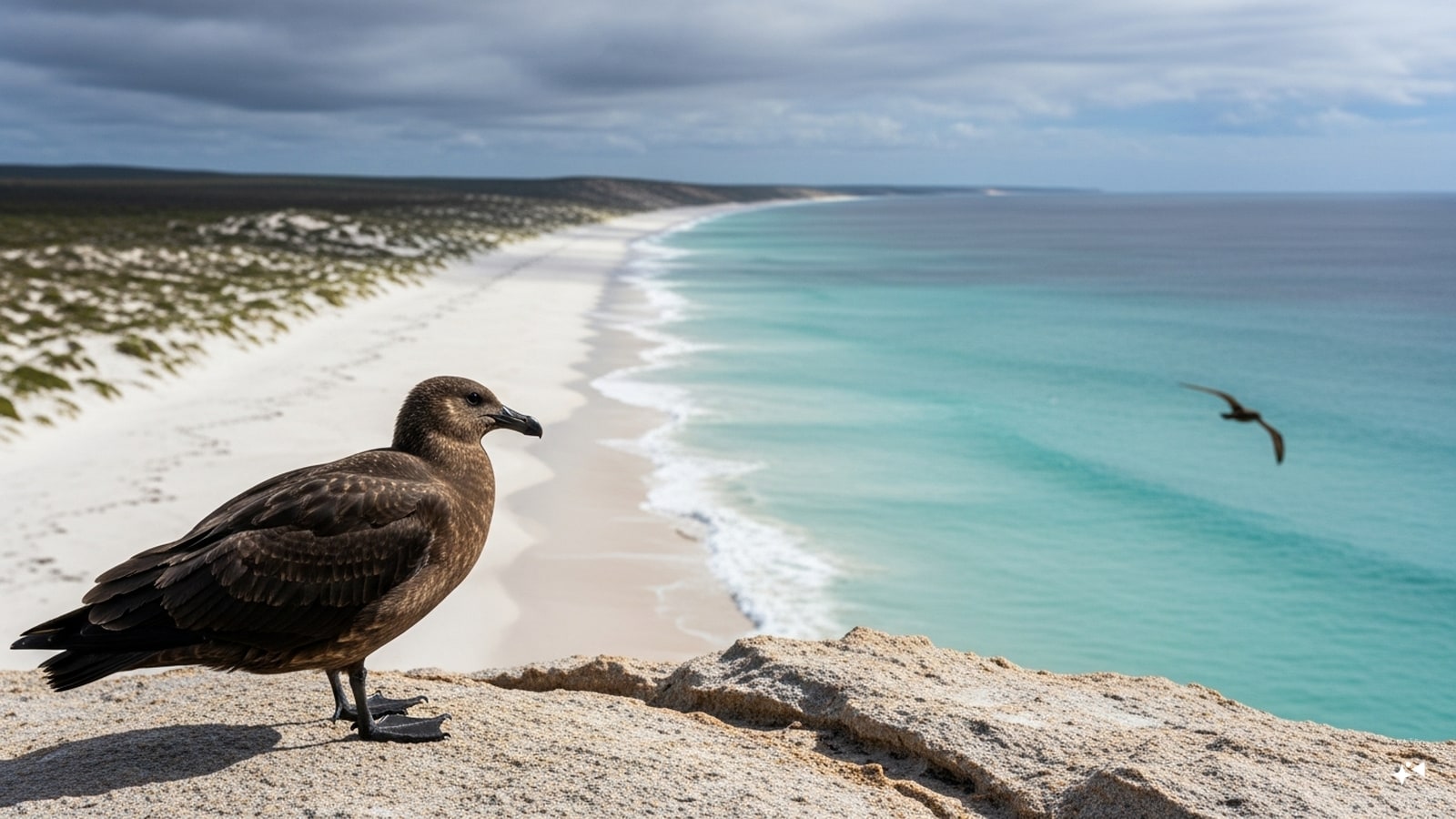
Australia Confirms First H5N1 Bird Flu Case in Wild Bird
Australia has confirmed its first detection of the highly pathogenic H5N1 avian influenza virus in a wild seabird. This marks a significant development in biosecurity for the region, prompting increased surveillance and response measures.
Key Highlights
- First H5N1 bird flu case identified in Australia.
- Wild seabird tested positive for the highly pathogenic virus.
- Increased biosecurity surveillance and response measures are in place.
- New Zealand is on alert following the Australian detection.
- No human cases have been reported in Australia.
Australia has officially confirmed the presence of the highly pathogenic H5N1 avian influenza virus, commonly known as bird flu, within its borders for the first time. The detection was made in a wild seabird, marking a significant biosecurity development for the nation. While the virus is known to affect poultry and wild birds globally, this marks the initial confirmation of H5N1 in Australian wildlife.
The confirmation has triggered heightened surveillance and response protocols from Australian authorities. The Department of Agriculture, Fisheries and Forestry, along with state and territory governments, are actively monitoring the situation to prevent any potential spread to domestic poultry or other wildlife populations. The focus is on early detection and containment to protect the country's agricultural sector, which is a vital part of its economy.
Globally, H5N1 has been a concern for decades, with sporadic outbreaks in poultry and occasional spillover into mammals, including humans. However, the virus has primarily circulated among wild birds, which can carry it across long distances. The detection in Australia, an island continent, is of particular interest due to its relative geographic isolation.
New Zealand, a close neighbor, has already been placed on alert following the confirmation in Australia. This highlights the interconnectedness of biosecurity in the region and the importance of cross-border collaboration in managing potential threats. Health and agricultural authorities in New Zealand are reportedly reviewing their preparedness and surveillance measures in light of the Australian development.
Despite the confirmation of the virus in wildlife, Australian health officials have emphasized that the risk to human health remains low. Standard precautions, such as avoiding contact with sick or dead birds and practicing good hygiene, are recommended for the general public. The primary concern remains the potential impact on poultry industries and broader ecosystems.
The specific species of wild seabird that tested positive has not been widely detailed in initial reports, but understanding its migratory patterns and potential contact points will be crucial for tracing the virus's introduction and spread. Research into the genetic makeup of the detected H5N1 strain will also be important to understand its origins and potential virulence.
Australia has a robust biosecurity framework, and this incident will undoubtedly lead to a review and potential strengthening of existing measures. This includes enhanced monitoring at ports of entry, increased testing of wild bird populations, and rapid response capabilities in the event of an outbreak in commercial poultry. The economic implications of a widespread bird flu outbreak could be substantial, affecting trade, employment, and consumer confidence.
The confirmation serves as a reminder of the ongoing threat posed by zoonotic diseases and the importance of international cooperation in disease surveillance and control. The experience of other countries dealing with H5N1 outbreaks will provide valuable lessons for Australia as it manages this new biosecurity challenge. The long-term impact will depend on the effectiveness of the implemented control measures and the natural behavior of the virus in the Australian environment.
Frequently Asked Questions
What is H5N1 bird flu?
H5N1 is a highly pathogenic strain of avian influenza virus that can cause severe illness and high mortality rates in birds. While primarily affecting birds, it can occasionally infect mammals, including humans, though human-to-human transmission is rare.
What does the confirmation of H5N1 in Australia mean?
The confirmation of H5N1 in a wild seabird in Australia signifies the virus's presence on the continent for the first time. This triggers enhanced surveillance, biosecurity measures, and response plans to prevent potential spread to domestic poultry and other wildlife.
Is there a risk to humans in Australia?
Australian health authorities have stated that the risk to human health from this detection in wildlife is considered low. Standard precautions, such as avoiding contact with sick or dead birds and maintaining good hygiene, are advised.
How does bird flu spread?
Bird flu primarily spreads among birds through their droppings, saliva, and nasal secretions. Migratory birds can carry the virus over long distances, which is how it can spread between countries and continents. In rare cases, it can spread to humans through close contact with infected birds or contaminated environments.