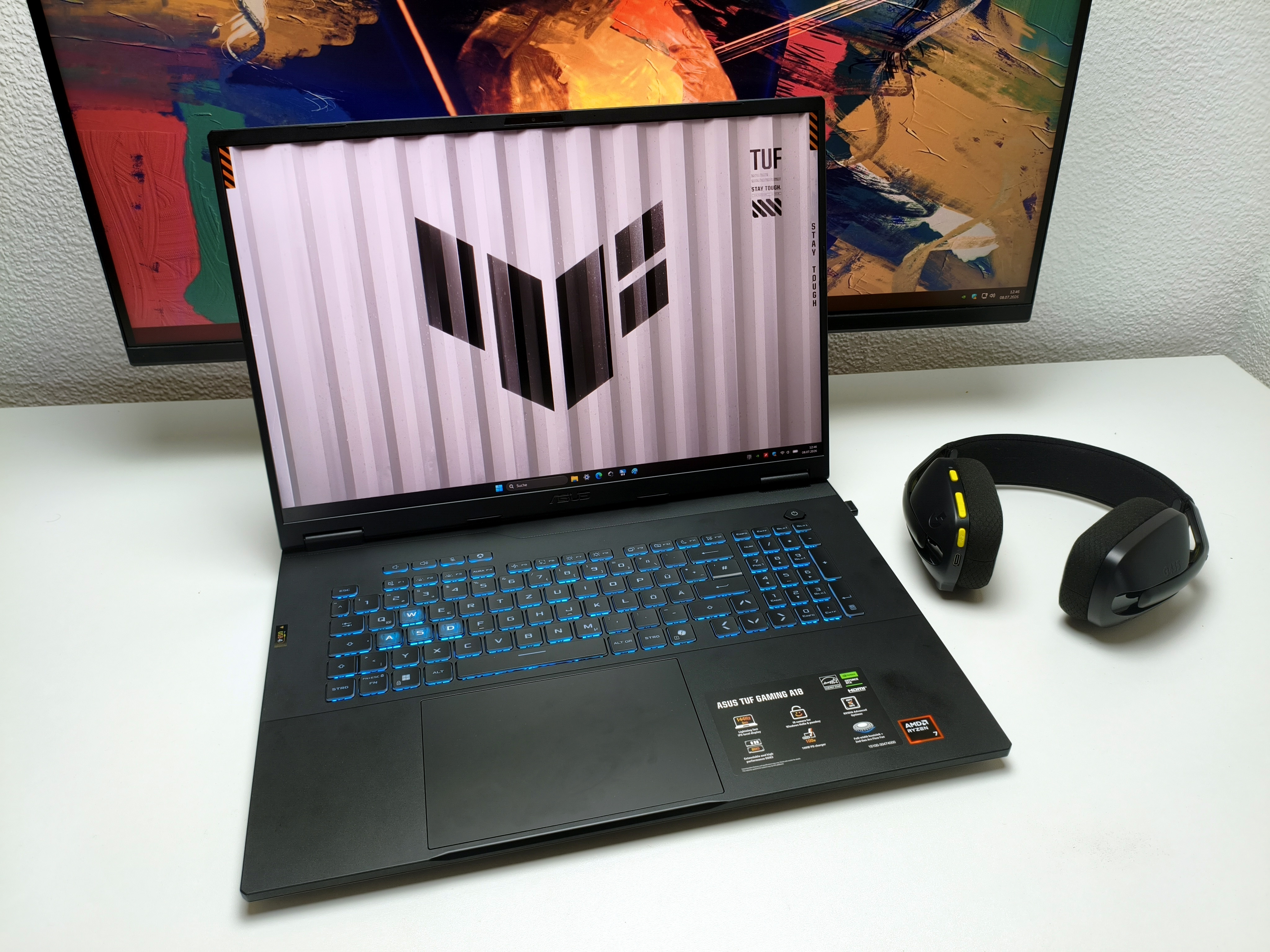
Lenovo: High Memory Prices Set to Persist Until 2030
Lenovo has warned that elevated prices for DRAM and NAND memory chips are the "new normal" and may not return to early 2025 levels before 2030. This outlook is driven by sustained high demand from AI data centers, which is outpacing manufacturing capacity and shifting production priorities. Major tech companies like Apple and Microsoft are already implementing price increases for their products due to these costs. The situation is impacting consumer electronics across the globe, with significant effects noted in India's price-sensitive market.
Key Highlights
- Lenovo predicts sustained high memory prices through 2030.
- AI data center demand is the primary driver of shortages.
- Consumers face permanently higher prices for electronics.
- India's smartphone market is significantly impacted by cost increases.
- Apple and Microsoft have already raised product prices.
- No return to early 2025 memory price levels expected.
Lenovo has issued a stark warning, stating that the high prices currently being experienced for DRAM and NAND memory chips are likely to become the "new normal" and may never return to the levels seen in early 2025, with this trend expected to persist through 2030 and beyond. This assessment was shared by a Lenovo executive director at the ISC 2026 conference in Hamburg. The primary driver behind this prolonged shortage and price escalation is the immense and sustained demand for memory components from Artificial Intelligence (AI) data centers and high-performance computing infrastructure. This demand is significantly outpacing the available manufacturing capacity, leading major chip manufacturers like Micron, Samsung, and SK Hynix to reallocate their production resources towards these high-margin AI-centric products. As a result, the supply of memory chips for consumer and enterprise markets is constrained, leading to increased costs for a wide array of electronic devices.
The implications of this "RAMmageddon" are far-reaching. Even with ongoing efforts by memory manufacturers to expand production capacity and invest in new fabrication facilities, these measures are not expected to significantly alleviate the supply-demand imbalance in the short to medium term. Industry analysts suggest that new capacity may not meaningfully close the gap before 2028, and some forecasts indicate that supply constraints could persist through 2027 and potentially beyond.
Major technology companies are already feeling the pinch and passing on these increased costs to consumers. Apple has raised prices for its Mac and iPad lines, with CEO Tim Cook describing the situation as unsustainable due to an "extraordinary surge in demand for chips and, in turn, a jump in costs." Similarly, Microsoft has announced price hikes for its Xbox consoles, stating that console storage and memory prices have more than doubled and are expected to double again by the fall of 2027.
For India, a market highly sensitive to price fluctuations, the impact of these global memory price increases is particularly significant. Smartphone shipments in India have seen a substantial decline, with reports indicating a 10% year-on-year drop in the April-June quarter of 2026. This downturn is attributed to rising memory chip costs, which have led to increased handset prices, especially affecting the price-sensitive entry-level and mid-range segments. Manufacturers have limited capacity to absorb these higher component costs, leading to price increases of 15-20% for some smartphone brands and a significant drop in shipments for devices priced below ₹15,000. Consumers are responding by postponing upgrades, opting for financing, or turning to the second-hand market.
The trend of memory prices escalating is not isolated to consumer electronics. The semiconductor market as a whole is projected for significant growth, with estimates suggesting it could reach between $1 trillion and $1.6 trillion by 2030, largely driven by AI and data centers. However, the reallocation of manufacturing capacity towards high-bandwidth memory (HBM) for AI is creating a bottleneck for traditional DRAM and NAND flash. This structural shift is fundamentally altering the historical cyclical patterns of memory pricing, moving towards a scenario of persistently elevated costs.
While Lenovo's initial comments were reportedly made with a touch of humor, the underlying analysis points to a serious, long-term shift in the memory market. The company, being the world's largest PC maker, uses its scale and existing long-term contracts with suppliers like Samsung and Hynix to manage its supply chain and mitigate some of the cost increases, aiming to avoid passing the full brunt onto consumers. However, the broader industry is facing an "existential crisis" for smaller players due to these market dynamics.
In summary, the "new normal" for memory prices appears to be a sustained period of higher costs driven by AI demand, impacting global consumer electronics and leading to price adjustments by major tech players. The situation is particularly challenging for price-sensitive markets like India, and a return to the pricing levels of early 2025 is not anticipated before the end of the decade.
Frequently Asked Questions
Why are memory chip prices expected to remain high until 2030?
The sustained high demand for memory chips, particularly High-Bandwidth Memory (HBM), driven by the rapid expansion of AI data centers and high-performance computing, is outpacing current manufacturing capacity. This has led major chip manufacturers to prioritize these lucrative AI components, reducing the supply available for consumer electronics and driving up prices.
Which companies are involved in the memory chip shortage and price increase?
Major memory chip manufacturers like Micron, Samsung, and SK Hynix are central to the supply-demand dynamics. Tech giants such as Lenovo, Apple, and Microsoft are directly impacted, with Apple and Microsoft already implementing price increases for their products due to these rising component costs.
How does this memory chip shortage affect consumers in India?
India's price-sensitive smartphone market is significantly impacted. Rising memory chip costs have led to higher handset prices, particularly affecting entry-level and mid-range devices, resulting in a decline in smartphone shipments and an extension of replacement cycles for consumers.