Ghaziabad Sisters' Suicide: Korean Culture, Family Discord, and Father's Polygamy
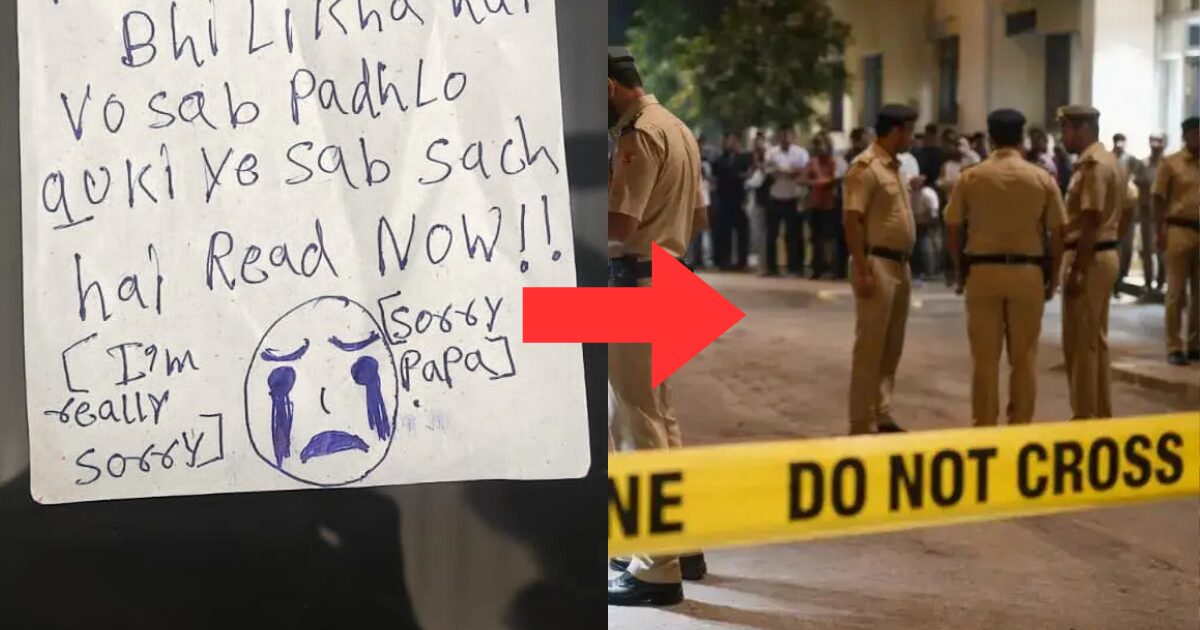
Three minor sisters died by suicide in Ghaziabad, allegedly due to parental restrictions on their Korean culture obsession, coupled with complex family dynamics, financial woes, and alleged parental abuse. Police investigations revealed the father's polygamous household and a detailed suicide note.
Key Highlights
- Three Ghaziabad sisters, aged 12, 14, and 16, died by suicide.
- Police investigation reveals father's polygamous family structure.
- Suicide note cites deep obsession with Korean culture and parental opposition.
- Girls' phones were taken away and YouTube accounts deleted by father.
- Financial distress and alleged parental beatings added to family strife.
- Initial link to a 'Korean task-based game' was later clarified by police.
Three minor sisters – Nishika (16), Prachi (14), and Pakhi (12) – tragically died by suicide in Ghaziabad, Uttar Pradesh, by jumping from the ninth floor of their apartment building in Bharat City, Sahibabad, in the early hours of Wednesday, February 4, 2026. The incident has sent shockwaves across the country, prompting a comprehensive police investigation into the complex circumstances surrounding their deaths.
Initial reports, including statements from the father, Chetan Kumar, suggested a link to a 'Korean task-based online game' that allegedly culminated in suicide. However, police investigations later clarified that while the girls were deeply influenced by Korean culture and entertainment, a specific 'task-based game' directly leading to suicide was not confirmed. Instead, their obsession spanned K-pop music, K-dramas, and general Korean content.
The core of the investigation revolves around an eight-page suicide note and a diary recovered from the girls' room. These writings revealed a profound attachment to Korean culture, describing it as 'their life' and expressing a desire to go to Korea or marry a Korean man. The sisters stated in their note that 'death would be better for us than beatings' and that 'the mention of marriage caused tension in our hearts.' They explicitly mentioned their hatred for Bollywood, which they felt their other siblings were encouraged to like, and even referred to their siblings as 'enemies' in the diary.
The family dynamics uncovered by the police are highly complex and unconventional. The father, Chetan Kumar, a stock trader, was found to be living with three women who are sisters, claiming to have married all of them. Police reports indicate that he first married 18 years ago. After struggling to conceive, he married his wife's younger sister 15 years ago. The eldest of the deceased daughters was from his first wife, while the two younger deceased girls were born to the second sister. A four-year-old girl, the child of the youngest sister, also resided in the household.
The family's financial situation was also a significant contributing factor to the distress. Chetan Kumar reportedly incurred heavy financial losses during the COVID-19 pandemic, accumulating a debt of approximately Rs 2 crore. This financial hardship led to various consequences, including the girls being pulled out of school years ago and not being sent back. The family's once middle-class lifestyle, complete with a car and private school education for the children, deteriorated.
Police investigations further revealed that the girls had become increasingly insular, spending most of their time indoors and doing everything together, from eating to bathing. Their addiction to mobile phones for consuming Korean content reportedly intensified during the pandemic. Approximately ten days before the suicide, their father had taken away their mobile phones and deleted their YouTube accounts, which were used to watch and upload Korean content under names like Maria, Alisa, and Cindy. This action, coupled with alleged beatings and threats of forced marriage, deeply distressed the sisters.
The retrieved diary entries also mentioned the girls' inability to access their 'Korean world' and their grief over not being allowed to teach their youngest half-sister 'their Korean culture.' The police are examining the diary and mobile phones forensically to piece together the events and the girls' state of mind. One witness described seeing the eldest girl seated on the window ledge with her back facing the compound, while the two younger girls stood in front of her, holding her tightly, before they all fell.
The case highlights pressing concerns regarding the mental health of adolescents, the impact of excessive digital consumption, parental monitoring, and the challenges faced by families grappling with financial strain and complex domestic environments. The revelations from the police investigation paint a tragic picture of isolation, unfulfilled desires, and escalating conflict within the family, culminating in the sisters' desperate act. Authorities continue to probe all angles to understand the full scope of this devastating incident.
Frequently Asked Questions
What were the primary reasons behind the Ghaziabad sisters' suicide?
The primary reasons cited in police investigations and their suicide note include their intense obsession with Korean culture, parental opposition to this interest, the father taking away their phones and deleting their social media accounts, alleged parental beatings, threats of forced marriage, complex family dynamics involving the father's polygamous household, and significant financial distress experienced by the family.
Was a specific 'Korean task-based game' involved in the suicide?
While initial reports and the father's statements suggested a link to a Korean task-based online game, police investigations later clarified that there was no definitive evidence of such a game directly causing the suicide. Instead, the girls were deeply influenced by a broader range of Korean culture, including K-pop music, K-dramas, and other online content.
What were the unusual family dynamics in the Ghaziabad case?
The family was characterized by a complex polygamous structure where the father, Chetan Kumar, lived with three sisters, claiming to have married all of them. Specifically, he was married to two sisters, and a child from the youngest sister also resided with them. The deceased girls were from different mothers within this household.
What role did mobile phones and social media play in the tragedy?
The sisters were highly addicted to their mobile phones, which they used extensively to consume Korean cultural content. Their father had reportedly taken away their phones and deleted their YouTube accounts approximately ten days before the suicide, a restriction that deeply upset them and contributed to their emotional distress, as detailed in their suicide note.
What were the financial circumstances of the family?
The family was reportedly facing severe financial distress, with the father, Chetan Kumar, a stock trader, accumulating a debt of around Rs 2 crore due to losses incurred during the COVID-19 pandemic. This financial hardship led to the girls being pulled out of school and contributed to overall household stress.