Modi's Call to Trump: The Untold Story Behind Stalled India-US Trade Deal | Quick Digest
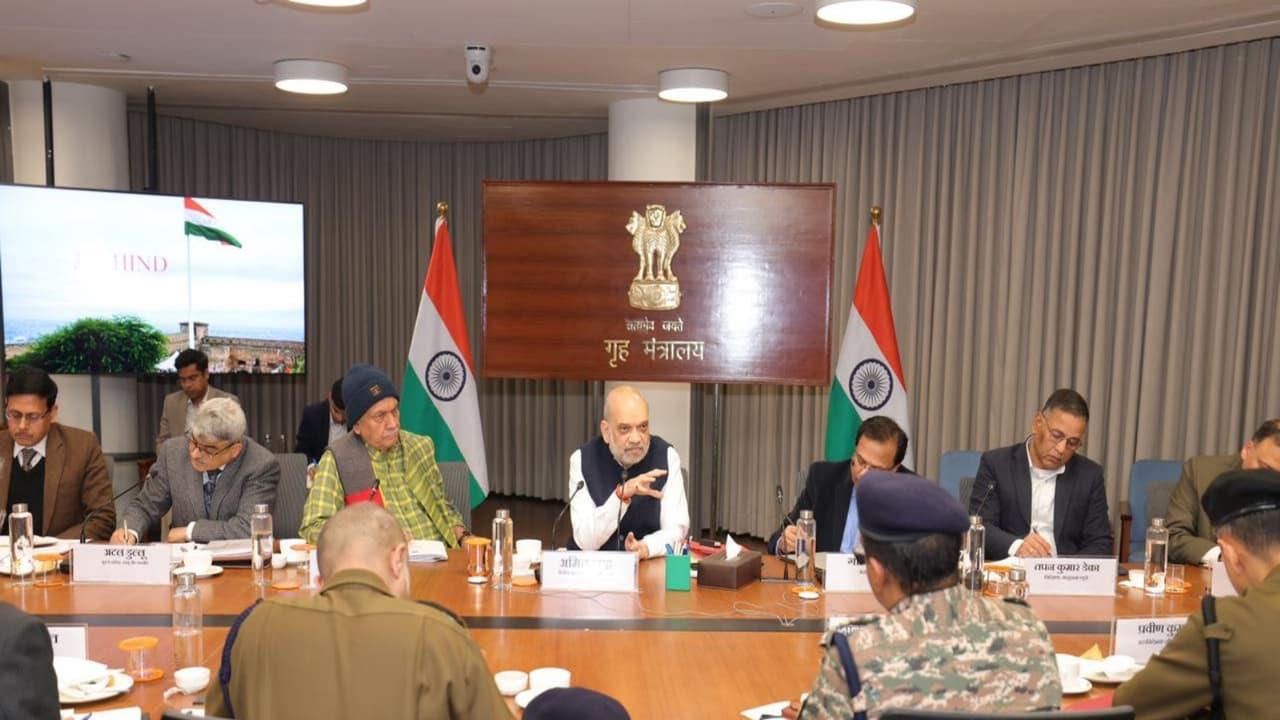
US Commerce Secretary Howard Lutnick claims a past India-US trade deal stalled because PM Modi didn't call then-President Trump. This revelation highlights the transactional nature of Trump-era trade talks and India's hesitation.
US Commerce Secretary Howard Lutnick revealed details on a stalled India-US trade deal.
Lutnick claims PM Modi's reluctance to call Donald Trump derailed the agreement.
He stated Trump's 'staircase' negotiation style favored quick deals, which India missed.
India's delay led to other nations securing deals with the US at higher rates.
The revelation highlights a key aspect of past bilateral trade dynamics.
Lutnick is the current US Commerce Secretary, recalling events from Trump's previous term.
The Economic Times, along with several other Indian media outlets, recently reported on a significant claim made by US Commerce Secretary Howard Lutnick regarding a stalled India-US trade deal during Donald Trump's presidency. Lutnick, who currently serves as the US Commerce Secretary (confirmed in February 2025 for the current administration), revealed that the proposed trade agreement failed to materialize because Prime Minister Narendra Modi did not make a crucial call to then-President Donald Trump.
Speaking on the 'All-In Podcast,' Lutnick detailed Trump's 'staircase' approach to trade negotiations, where the first countries to finalize a deal received the most favorable terms, with subsequent deals becoming progressively 'higher' or more restrictive. He explicitly stated that while he had 'set the deal up,' the final step required a direct leader-to-leader call from Modi to Trump. According to Lutnick, India was uncomfortable with this direct engagement and consequently, PM Modi did not place the call, missing a critical time-bound window.
Following India's hesitation, Lutnick claimed that the US proceeded to conclude trade deals with other countries, including Indonesia, the Philippines, and Vietnam, at less favorable terms for those nations due to the 'staircase' model. When India eventually sought to re-engage, the opportunity for the best possible deal had passed. This revelation, widely covered by Indian news organizations like Times of India, Indian Express, Hindustan Times, and Rediff, provides a rare glimpse into the behind-the-scenes dynamics of high-stakes international trade negotiations and the personal elements that can influence their outcomes. Lutnick's statements underscore the transactional and often personal nature of the Trump administration's trade policy.
Read the full story on Quick Digest