SC Split Verdict: Prior Sanction for Probing Public Servants Under Anti-Corruption Law | Quick Digest
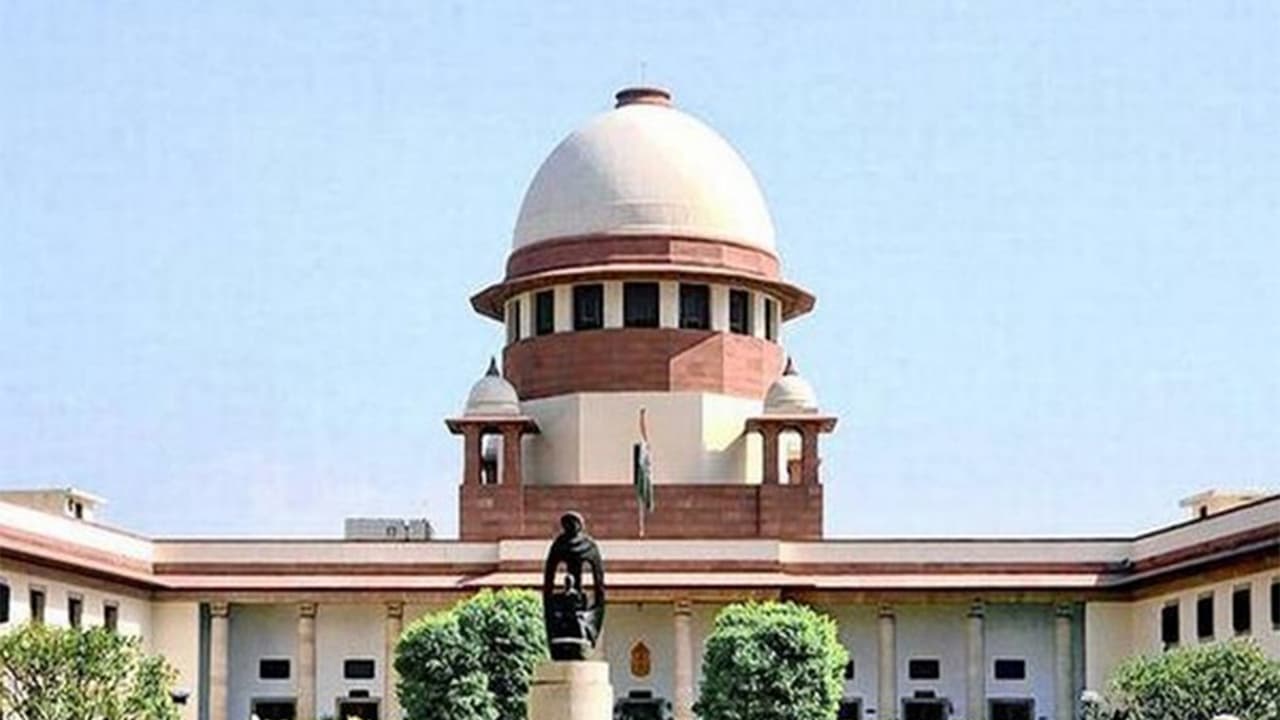
The Supreme Court delivered a split verdict on the constitutional validity of Section 17A of the Prevention of Corruption Act, mandating prior sanction to investigate public servants. Justices B.V. Nagarathna and K.V. Viswanathan presented divergent views, leading the matter to a larger bench for final decision.
SC bench split on Section 17A of Prevention of Corruption Act.
Section 17A requires prior government sanction for probing officials.
Justice Nagarathna deemed Section 17A unconstitutional, protecting corrupt.
Justice Viswanathan upheld Section 17A, but with Lokpal/Lokayukta sanction.
Matter referred to Chief Justice for a larger bench decision.
Verdict impacts anti-corruption efforts and public servant protection.
The Supreme Court of India has delivered a significant split verdict regarding the constitutional validity of Section 17A of the Prevention of Corruption (PC) Act, a provision introduced via a 2018 amendment. This section mandates prior approval from the competent authority (Central or State Government) before any inquiry, inquiry, or investigation can be initiated against a public servant for offenses related to decisions or recommendations made in the discharge of official duties.
A two-judge bench, comprising Justices B.V. Nagarathna and K.V. Viswanathan, presented sharply contrasting opinions. Justice Nagarathna declared Section 17A unconstitutional, arguing that it acts as a shield for the corrupt, impedes investigations, and runs contrary to the fundamental objective of the anti-corruption law. She highlighted that this provision attempts to revive safeguards previously struck down by the Supreme Court in landmark cases like Vineet Narain and Subramanian Swamy, and violates Article 14 of the Constitution by creating an unequal classification among public servants. She asserted that no prior approval should be required for such probes.
Conversely, Justice K.V. Viswanathan upheld the constitutional validity of Section 17A. However, he 'read down' the provision, stipulating that the crucial decision of granting sanction should rest with an independent authority like the Lokpal at the Centre or the Lokayukta at the state level, rather than the executive government. Justice Viswanathan stressed the necessity of protecting honest public servants from frivolous or malicious investigations, warning that outright striking down of the provision could lead to 'policy paralysis' and discourage officials from taking bold decisions.
Given this divergence of views, the Supreme Court has referred the matter to the Chief Justice of India for the constitution of a larger bench. This larger bench will undertake a fresh consideration of the issues to arrive at a conclusive decision on the contentious provision. The original writ petition challenging the 2018 amendments, particularly Section 17A, was filed by the Centre for Public Interest Litigation (CPIL). This split verdict underscores the ongoing judicial debate on balancing effective anti-corruption measures with safeguards for public officials.
Read the full story on Quick Digest