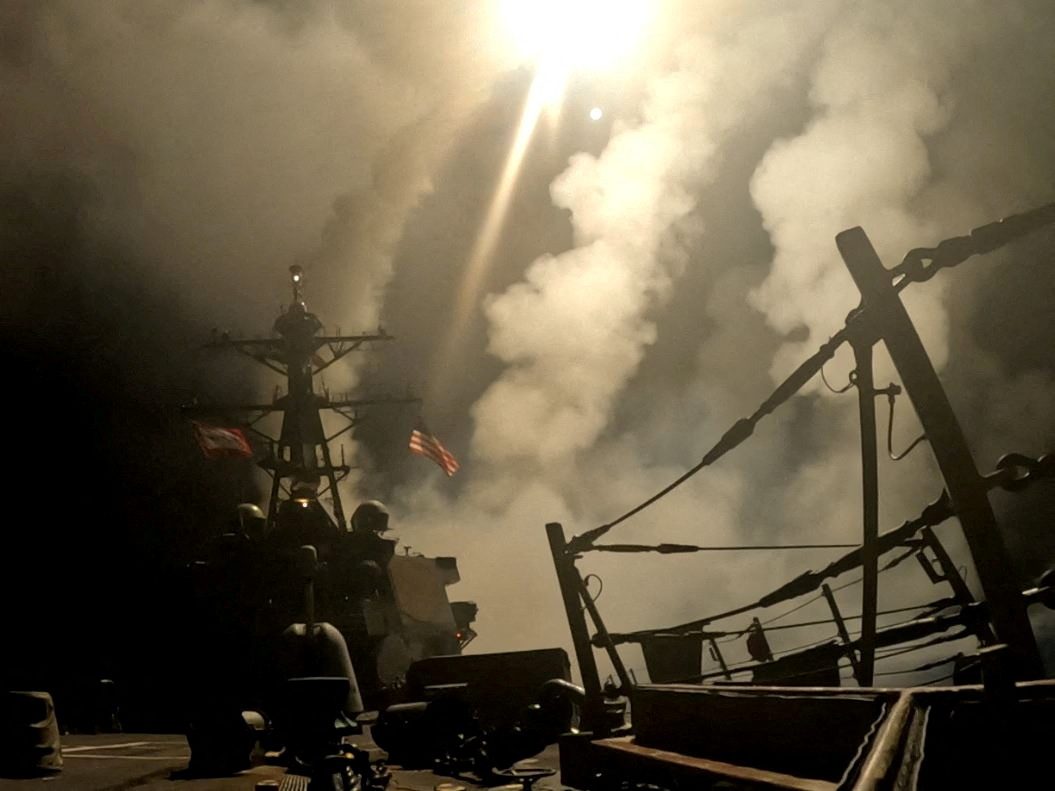
Houthis Threaten to Join Iran Conflict, Escalating Red Sea Shipping Risks
Yemen's Houthi movement has declared its readiness to join the escalating regional conflict if needed, specifically in solidarity with Iran. This conditional threat raises renewed concerns about global shipping, particularly through the vital Bab al-Mandab Strait, a critical chokepoint for international trade and energy supplies.
Key Highlights
- Houthi leader affirms readiness to militarily support Iran in regional conflict.
- Threat targets critical Bab al-Mandab Strait, jeopardizing Red Sea shipping.
- Potential escalation follows recent US-Israeli strikes on Iran and its proxies.
- Global trade routes, especially for Asia-Europe, face renewed disruption and costs.
- India's trade heavily reliant on Red Sea routes, faces significant economic impact.
- UN Security Council actively monitoring and condemning Houthi maritime attacks.
Yemen's Iran-aligned Houthi movement has declared its readiness to join the ongoing regional conflict, specifically in solidarity with Tehran, a move that significantly escalates the risk to global shipping, particularly through the strategically vital Bab al-Mandab Strait. A Houthi leader informed Reuters that the group stands "fully militarily ready with all options" and that the timing of any intervention would depend on developments in the broader conflict.
This latest threat emerges in the context of a widening Middle East conflict, often referred to as the 'Iran war' or 'Iran-U.S.-Israeli war', involving recent strikes by the United States and Israel on Iran and its allied groups in the region. While some of Iran's other Shi'ite allies in Lebanon and Iraq have already engaged, the Houthis had largely held back until this recent declaration. Analysts suggest their previous restraint was a strategic decision, potentially aimed at avoiding direct repercussions in Yemen and preserving their operational capabilities and internal stability. However, statements from Houthi leader Abdul-Malik al-Houthi on March 5, and repeated on March 27, 2026, confirmed their readiness for military action if the conflict escalates.
The Bab al-Mandab Strait, a narrow waterway connecting the Red Sea to the Gulf of Aden and the Indian Ocean, is a crucial chokepoint for international maritime traffic, including a significant portion of global oil and container trade heading towards the Suez Canal. Any renewed Houthi attacks in this area would lead to further disruptions, mirroring the chaos witnessed during the Gaza war when the Houthis extensively targeted international shipping in what they claimed was solidarity with Palestinians. During that period, attacks on vessels in the Red Sea forced many shipping companies to divert their routes around the Cape of Good Hope, adding 10-14 days and substantial costs to journeys between Asia and Europe.
The potential for the Houthis to target the Bab al-Mandab Strait again poses a severe threat to global commerce and supply chains. The UN Security Council has repeatedly condemned Houthi attacks on merchant and commercial vessels, adopting Resolution 2722 in January 2024 and extending reporting on these attacks until July 2026 via Resolution 2812 (2026). The Council recognizes that the Houthi threat extends beyond the region, impacting commerce, supply chains, and the safety of seafarers. Rerouting vessels around Africa significantly increases fuel costs, insurance premiums (which had shot up nearly tenfold previously), and transit times, directly affecting the prices of goods and the smooth functioning of global supply chains.
The implications for India are particularly significant. India is heavily reliant on the Red Sea and Suez Canal for approximately 80% of its exports to Europe, which constitute about 15% of its total goods exports. Disruptions in this route translate into higher freight costs, increased insurance premiums, and longer delivery times for Indian exports and imports, potentially leading to inflationary pressures and impacting various sectors, including agricultural commodities and marine food. While the oil market, which India heavily relies on for crude imports, has shown short-term resilience, prolonged disruptions could lead to tanker shortages and higher global fuel prices. India's Ministry of Commerce and Industry has reportedly engaged in diplomatic talks with Iran and is exploring measures to protect its exporters.
Experts suggest that the Houthis' decision to intervene or hold back is carefully calculated, weighing the benefits of supporting Iran and gaining regional leverage against the risks of provoking further US and Israeli strikes, which could destabilize their control in Yemen and re-ignite the civil war. The effective closure of the Strait of Hormuz, another critical chokepoint, by Iran, as indicated in some reports, could potentially shift even greater reliance onto the Red Sea, making the Bab al-Mandab Strait an even more critical target for the Houthis in coordination with Iran. The current situation underscores the interconnectedness of geopolitical tensions and their immediate, far-reaching economic consequences globally.
In summary, the Houthi declaration, made amid escalating regional hostilities, represents a tangible and immediate threat to a major artery of global trade, carrying profound economic implications worldwide and particularly for nations like India that depend heavily on Red Sea shipping routes.
Frequently Asked Questions
Why are the Houthis threatening to join the 'Iran war' now?
The Houthis, an Iran-aligned movement, are threatening to join the conflict in solidarity with Tehran amidst escalating regional tensions, including recent U.S. and Israeli strikes on Iran and its proxies. Their leader stated they are militarily ready, awaiting developments in the broader Middle East conflict.
What is the Bab al-Mandab Strait and why is it so important?
The Bab al-Mandab Strait is a narrow, critical maritime chokepoint located between Yemen and the Horn of Africa, connecting the Red Sea to the Gulf of Aden and the Indian Ocean. It is vital for global shipping, particularly for trade routes between Asia and Europe via the Suez Canal, and for global oil and gas supplies.
How would renewed Houthi attacks impact global shipping and trade?
Renewed Houthi attacks would force shipping companies to divert vessels around the Cape of Good Hope, significantly increasing transit times (by 10-14 days or more), fuel costs, and insurance premiums. This would disrupt global supply chains, drive up the prices of goods, and potentially contribute to inflationary pressures worldwide.
What is the specific impact of these threats on India?
India is highly dependent on the Red Sea route, with approximately 80% of its exports to Europe passing through it. Disruptions would lead to higher freight and insurance costs, longer delivery times for Indian goods, and potential price increases for imported commodities, significantly affecting India's trade balance and economy.
What actions have international bodies taken regarding Houthi attacks?
The UN Security Council has repeatedly condemned Houthi attacks on commercial vessels in the strongest terms, demanding their immediate cessation. It has also adopted resolutions to monitor these attacks and emphasized the need to safeguard navigational rights and freedoms in the Red Sea.