Pentagon Halts Military Programs at 'Woke' Harvard
The US Pentagon has announced it will cease all graduate-level military education, fellowships, and certificate programs with Harvard University, effective the 2026-27 academic year. Defense Secretary Pete Hegseth explicitly labeled Harvard as "woke" and stated the decision stems from ideological concerns, arguing the university promotes "globalist and radical ideologies" unsuitable for military leadership. This marks an escalation in the Trump administration's standoff with elite academic institutions.
Key Highlights
- Pentagon to end graduate-level military education and fellowships with Harvard.
- Defense Secretary Pete Hegseth cited 'woke' ideology and 'radical ideologies' as reasons.
- The decision takes effect from the 2026-27 academic year.
- Current military personnel at Harvard can complete their studies.
- Other Ivy League universities' military partnerships will be reviewed.
- This move is part of the Trump administration's broader push against universities.
The United States Pentagon has announced a significant decision to sever its academic ties with Harvard University, specifically discontinuing all graduate-level professional military education, fellowships, and certificate programs. This move, declared by Defense Secretary Pete Hegseth on Friday, February 6, 2026, and effective starting the 2026-27 academic year, has been explicitly linked to ideological differences, with Hegseth publicly stating, 'Harvard is woke; The War Department is not.'
The announcement represents a notable escalation in the Trump administration's ongoing disputes with elite American universities. Secretary Hegseth, in a formal statement, criticized Harvard, asserting that it 'no longer meets the needs of the War Department or the military services.' He articulated concerns that officers returning from Harvard were 'heads full of globalist and radical ideologies that do not improve our fighting ranks,' implying a misalignment with core military values and national defense priorities.
While the immediate impact will be on future enrollments, military personnel currently attending classes at Harvard will be permitted to complete their respective courses. The Pentagon's decision is not an isolated incident but rather part of a broader review of military education partnerships across other Ivy League and civilian universities, with Hegseth indicating that similar programs at these institutions would be evaluated in the coming weeks. The objective of these reviews is to assess whether these programs provide 'cost-effective strategic education for future senior leaders' compared to public universities and military graduate programs.
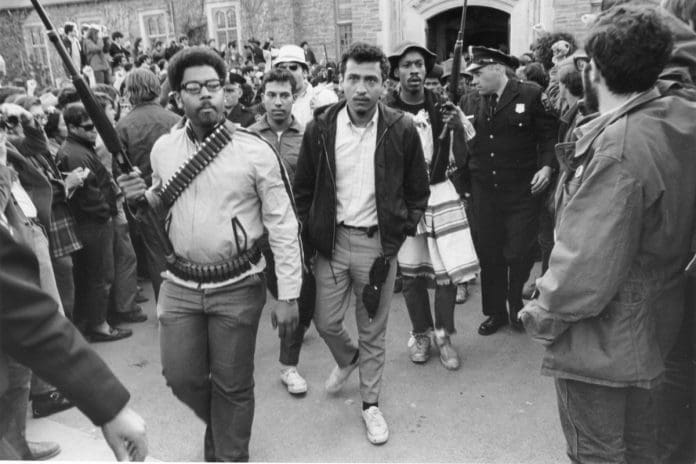
The relationship between Harvard and the U.S. military has a long and complex history, dating back centuries. Harvard was home to one of the first Reserve Officers' Training Corps (ROTC) units, established in 1916. However, ROTC programs faced significant challenges and were largely absent from campus for decades, particularly after the Vietnam War protests in 1971, due to objections over academic standards and later, the military's 'Don't Ask, Don't Tell' policy concerning LGBTQ+ service members. Following the repeal of 'Don't Ask, Don't Tell' in 2011, ROTC programs gradually returned to Harvard and other Ivy League schools, marking a renewed, albeit sensitive, collaboration. The current decision, however, focuses on graduate-level programs, fellowships, and certificates, and does not directly impact the undergraduate ROTC programs which operate in partnership with MIT.
The administration's rationale for cutting ties extends beyond specific curricula, touching upon the broader campus climate. Secretary Hegseth, himself a Harvard alumnus who reportedly returned his degree in protest of the university's perceived left-leaning policies, has been a vocal critic of 'wokeness' and diversity, equity, and inclusion (DEI) initiatives. He accused Harvard of fostering a culture that has been seen as unwelcoming to military personnel, promoting views that conflict with U.S. military values, and allegedly partnering with the Chinese Communist Party in some research programs. Additionally, the administration has raised concerns about campus protests, particularly those related to the Israel-Hamas conflict, and allegations of antisemitism, which have been points of contention between the White House and several major universities. Harvard's President, Alan Garber, has previously refuted such allegations, defending the university's commitment to academic freedom.
This development has sparked debate among various stakeholders. Critics of the Pentagon's decision argue it politicizes military education and could harm the military by limiting access to diverse intellectual environments offered by top civilian institutions. They emphasize the value of exposing future military leaders to a wide range of perspectives. Conversely, supporters of the move contend that it ensures military education aligns with national values and priorities, preventing the infiltration of what they deem as detrimental ideologies. The Pentagon's announcement underscores a growing divide between elements of the U.S. government and academic institutions, particularly on issues of cultural and political alignment, and signals a potential shift in how the U.S. military approaches advanced education and training programs for its officers.
The implications of this decision could be far-reaching, potentially influencing other universities and impacting future recruitment and leadership development within the U.S. armed forces. For an Indian audience, this news highlights the ongoing culture wars in the United States and the evolving relationship between military establishments and educational institutions in Western democracies, offering insights into political and social dynamics that can resonate globally.
Frequently Asked Questions
What specific programs are being cut by the Pentagon at Harvard?
The Pentagon is discontinuing graduate-level professional military education, fellowships, and certificate programs with Harvard University. Undergraduate ROTC programs, which resumed in 2011, are not explicitly mentioned in the current announcement as being cut.
When will these cuts to military programs at Harvard take effect?
The cessation of these programs will take effect starting with the 2026-27 academic year. However, military personnel currently enrolled in these programs will be allowed to complete their studies.
What reasons did the Pentagon provide for cutting ties with Harvard?
Defense Secretary Pete Hegseth explicitly stated that 'Harvard is woke; The War Department is not.' He also cited concerns that officers were returning from Harvard with 'globalist and radical ideologies that do not improve our fighting ranks,' indicating an ideological clash with the university's perceived culture.
Is this decision part of a broader policy towards other universities?
Yes, Defense Secretary Pete Hegseth indicated that the Pentagon plans to evaluate similar relationships with other Ivy League and civilian universities in the coming weeks. This suggests a broader review of military education partnerships.
What is Harvard's historical relationship with the U.S. military?
Harvard has a long and significant history with the U.S. military, dating back to its founding. It hosted one of the first ROTC units in 1916. While ROTC programs were removed for decades after the Vietnam War and due to the 'Don't Ask, Don't Tell' policy, they formally returned to campus in 2011.