Goldman Sachs Predicts Rupee at 95, RBI Faces Mounting Pressure
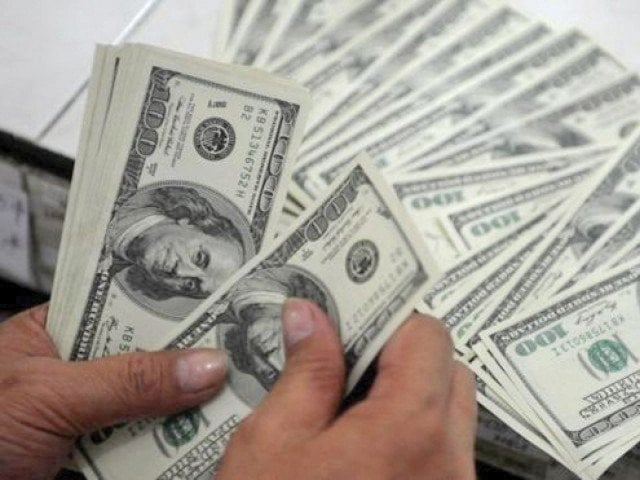
Goldman Sachs has warned of the Indian Rupee potentially falling to 95 against the US dollar, intensifying pressure on the Reserve Bank of India. This prediction comes amidst a backdrop of global economic uncertainties and geopolitical tensions, which are impacting currency markets worldwide. The RBI faces the challenge of stabilizing the rupee while navigating complex economic conditions.
Key Highlights
- Goldman Sachs forecasts a significant depreciation of the Indian Rupee.
- The predicted Rupee level of 95 against the USD puts pressure on the RBI.
- Global economic and geopolitical factors are contributing to currency market volatility.
- The RBI must balance stability with navigating complex economic headwinds.
- The article highlights concerns about India's currency and the central bank's response.
Goldman Sachs, a prominent global financial institution, has issued a stark warning regarding the future trajectory of the Indian Rupee (INR), forecasting a potential slide to 95 against the US Dollar (USD). This projection, if realized, would represent a significant depreciation for the INR and places considerable pressure on the Reserve Bank of India (RBI) to manage the situation. The prediction is rooted in a complex interplay of global economic headwinds and geopolitical uncertainties that are currently casting a long shadow over international financial markets.
The broader context for this warning includes persistent inflation concerns in major economies, the aggressive monetary policy tightening by central banks like the US Federal Reserve, and ongoing geopolitical conflicts. These factors contribute to a 'risk-off' sentiment among investors, leading to capital outflows from emerging markets, including India. A stronger US dollar, driven by higher interest rates and its safe-haven appeal, further exacerbates the pressure on currencies like the rupee. The Indian economy, while demonstrating resilience, is not immune to these global forces. Factors such as India's trade deficit, which widens with rising import costs (especially for crude oil), also play a crucial role in currency valuation. Any sustained increase in oil prices, for instance, directly impacts the rupee's value as India is a major oil importer. The related articles highlight that the rupee has already been trading at record lows, with recent movements showing it falling against the US dollar, underscoring the existing vulnerability. For example, one report mentions the rupee closing at a record low of 92.63 against the US dollar, indicating a pre-existing downward trend. Another points to the rupee falling by 3 paise to 92.43 in early trade, showing intraday fluctuations that contribute to the overall weakening sentiment.
The Reserve Bank of India is thus presented with a formidable challenge. Its primary objective is to maintain price stability and ensure the smooth functioning of the financial system, which includes managing currency volatility. The RBI has historically intervened in the foreign exchange market by selling dollars from its reserves to curb excessive depreciation of the rupee. However, such interventions are sustainable only to a certain extent, as they deplete forex reserves. The central bank also has other tools at its disposal, including adjusting interest rates. However, raising interest rates too aggressively to support the currency can stifle economic growth, which is a delicate balancing act. The RBI must weigh the immediate need to stabilize the rupee against the imperative of fostering domestic economic expansion. Furthermore, the effectiveness of RBI's interventions can be limited if global market sentiment remains overwhelmingly negative or if external shocks are severe.
The specific mention of Goldman Sachs' forecast suggests that the investment bank's analysis points to fundamental economic reasons or market dynamics that could drive the rupee to such levels. While specific details of Goldman Sachs' report are not fully elaborated in the provided context, such forecasts from major financial institutions often influence market sentiment and investment decisions. They can also serve as a signal to policymakers about the severity of potential economic challenges.
The news is highly relevant to India, given the direct implications of a weaker rupee on the cost of imports, inflation, and the broader economic landscape. A depreciating rupee makes imports more expensive, including essential commodities like oil and electronics, potentially fueling inflation. Conversely, it can make exports cheaper, providing a boost to export-oriented industries. For the Indian audience, this means potential increases in the cost of living and impact on purchasing power, alongside opportunities for certain sectors of the economy. The article's focus on the RBI underscores the critical role of the central bank in mitigating these impacts and maintaining economic stability. The pressure on the RBI is amplified by the need to maintain foreign exchange reserves while simultaneously supporting economic growth and controlling inflation, a multi-faceted challenge in the current global economic climate. The interconnectedness of the global economy means that events and forecasts from major financial players like Goldman Sachs have a direct and significant bearing on India's economic outlook and the policy responses required from its central bank.
Frequently Asked Questions
What is the predicted exchange rate for the Indian Rupee by Goldman Sachs?
Goldman Sachs has reportedly warned that the Indian Rupee could fall to 95 against the US Dollar.
What factors are contributing to the potential fall of the Indian Rupee?
Global economic uncertainties, geopolitical tensions, and a strengthening US dollar are among the factors contributing to the pressure on the Indian Rupee.
What is the role of the Reserve Bank of India (RBI) in this situation?
The RBI is responsible for managing currency volatility and maintaining economic stability. It may intervene in the foreign exchange market or adjust monetary policy to support the rupee.
What are the potential impacts of a weaker Rupee on India?
A weaker Rupee makes imports more expensive, potentially increasing inflation. It can also make exports cheaper, benefiting export-oriented industries.