Netanyahu to meet Trump on Iran, missiles, and proxies
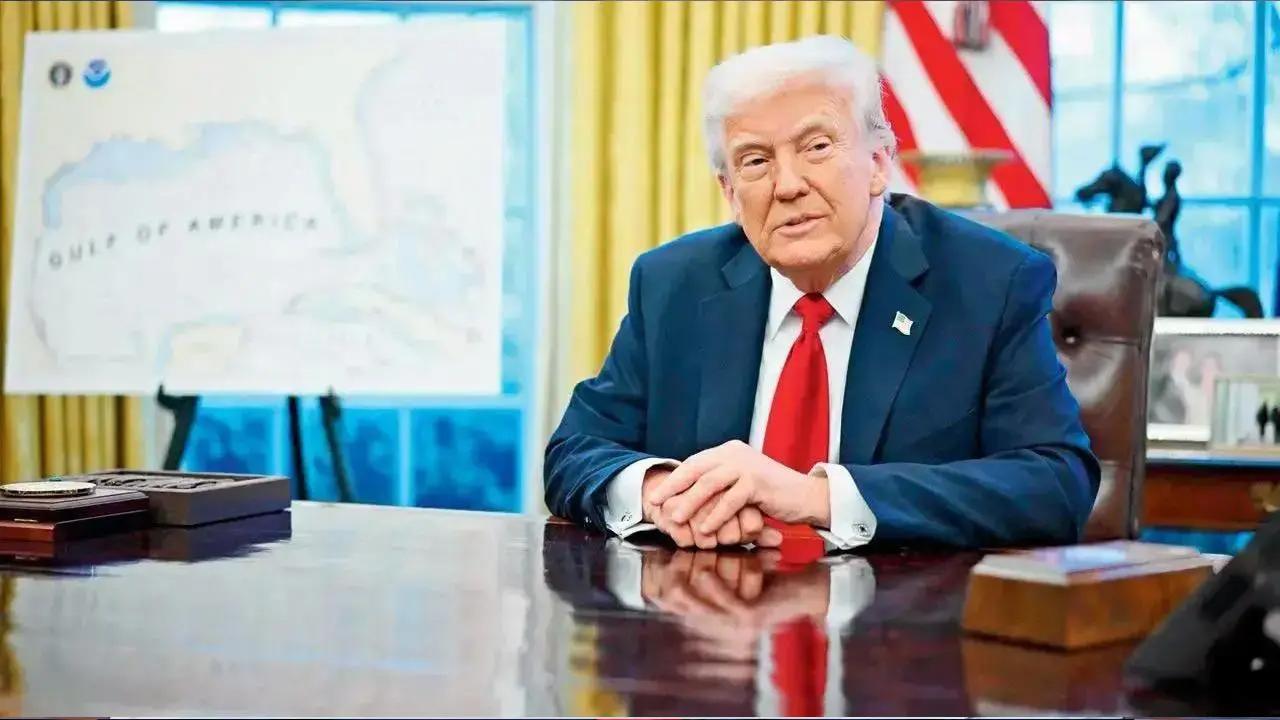
Israeli Prime Minister Benjamin Netanyahu is scheduled to meet with U.S. President Donald Trump in Washington to discuss ongoing talks with Iran. Netanyahu's office emphasized that any negotiations must address Iran's missile program and its support for regional proxies. This meeting occurs amidst a sensitive period of U.S.-Iran negotiations.
Key Highlights
- Netanyahu to meet Trump this week in Washington.
- Focus on Iran talks, including missiles and proxies.
- US and Iran held prior talks in Oman.
- Netanyahu seeks restrictions on Iran's ballistic missiles.
- Meeting precedes further planned US-Iran negotiations.
Israeli Prime Minister Benjamin Netanyahu is set to meet with U.S. President Donald Trump in Washington this week to discuss the ongoing nuclear talks with Iran. The announcement from Netanyahu's office highlights a key Israeli concern: that any negotiations with Iran must also address its ballistic missile program and its extensive support for regional proxy groups. This meeting is particularly significant as the United States and Iran appear to be on the cusp of a second round of nuclear discussions, following an initial day of talks held in Oman.
The specific date for the meeting has been reported as Wednesday, with Netanyahu departing for Washington on Tuesday and returning by Friday. This visit was reportedly moved up from a later scheduled date at Netanyahu's request. The Prime Minister's stance, as articulated by his office, is that "any negotiations must include restrictions on ballistic missiles and an end to support for the Iranian axis." This underscores Israel's long-standing position that Iran's destabilizing activities beyond its nuclear program are central to any comprehensive resolution.
Prior to this high-level meeting, the U.S. and Iran held indirect talks in Oman. While these discussions focused on Iran's nuclear program, sources indicated that Iran's ballistic missile production was not a subject of debate. Iran's Foreign Minister Abbas Araghchi reportedly stated that Iran would not relinquish its right to enrich uranium. U.S. officials, including Middle East special envoy Steve Witkoff and Jared Kushner, represented the U.S. in these Omani talks.
The broader context for these diplomatic engagements includes escalating tensions in the Middle East. President Trump has previously threatened military action against Iran amidst its crackdown on domestic protests and has reinforced U.S. military presence in the region. Meanwhile, Iran's foreign minister has reportedly issued threats against U.S. military bases in the region.
The Times of Israel, the source of the original article, is an Israeli multi-language online newspaper known for its coverage of Israel, the Middle East, and the Jewish world. It is generally considered a centrist publication with a pro-Israel stance, and is rated as mostly factual. Its reporting on the Israeli-Palestinian conflict can sometimes be perceived as one-sided.
The news has implications for regional stability and global geopolitics, as the U.S.-Iran relationship and Iran's nuclear and missile programs are of significant international concern. For an Indian audience, this story is relevant due to India's own strategic interests in the Middle East, its growing ties with Israel, and its position as a major global player navigating complex international relations. Recent developments show India strengthening its defense and strategic partnerships with Israel, highlighting the interconnectedness of global security.
The article's claims are corroborated by other news outlets such as The Guardian, The Hindu, and NDTV, which also reported on the impending meeting between Netanyahu and Trump regarding Iran talks. The core assertion that Netanyahu will meet Trump to discuss Iran, with a focus on missiles and proxies, is consistent across these reports.
While the article's headline accurately reflects the content, it is not sensationalized. It directly conveys the key figures, the subject matter (Iran talks, missiles, proxies), and the location and timeframe (DC this week). The news falls under the categories of Politics and International Relations, primarily concerning Israel, the United States, and Iran, but with global implications.
Frequently Asked Questions
When is Benjamin Netanyahu meeting with Donald Trump?
Prime Minister Benjamin Netanyahu is scheduled to meet with President Donald Trump in Washington this week, with reports indicating the meeting will take place on Wednesday.
What is the main agenda for the Netanyahu-Trump meeting?
The primary focus of the meeting is the ongoing negotiations and talks between the United States and Iran. Prime Minister Netanyahu has emphasized that discussions must include addressing Iran's ballistic missile program and its support for regional proxy groups.
What was the outcome of the recent US-Iran talks mentioned in the article?
The U.S. and Iran held an initial round of talks in Oman prior to this meeting. While these talks centered on Iran's nuclear program, Iran's ballistic missile production was reportedly not discussed, and Iran has indicated it will not give up its right to enrich uranium.