UK Leads Global Push to Reopen Hormuz Amid US-Iran War
Amid an escalating US-Iran conflict in April 2026, the Strait of Hormuz has been largely closed by Iran, severely impacting global oil, gas, and commodity supplies. The UK is spearheading international diplomatic talks with over 35 nations to secure the immediate and unconditional reopening of the vital waterway.
Key Highlights
- US-Iran War ongoing in April 2026, intensifying regional tensions.
- Strait of Hormuz largely blocked by Iran, disrupting global shipping.
- UK-led talks with over 35 countries demand immediate reopening of the Strait.
- Global oil prices surge; critical commodities like LPG affected worldwide.
- US President Donald Trump's stance on the conflict and Strait's security is a key factor.
- India, among other nations, faces significant impact from the Hormuz blockade.
As of early April 2026, the Middle East is gripped by an active and escalating conflict between the United States and Iran, referred to by multiple international news outlets as the 'US-Iran War'. This intense geopolitical crisis began with joint US-Israeli strikes on Iran on February 28, 2026, which reportedly included the assassination of Iran's Supreme Leader Ali Khamenei. In retaliation, Iran launched missile and drone attacks on US military bases, Israeli territory, and Gulf states.
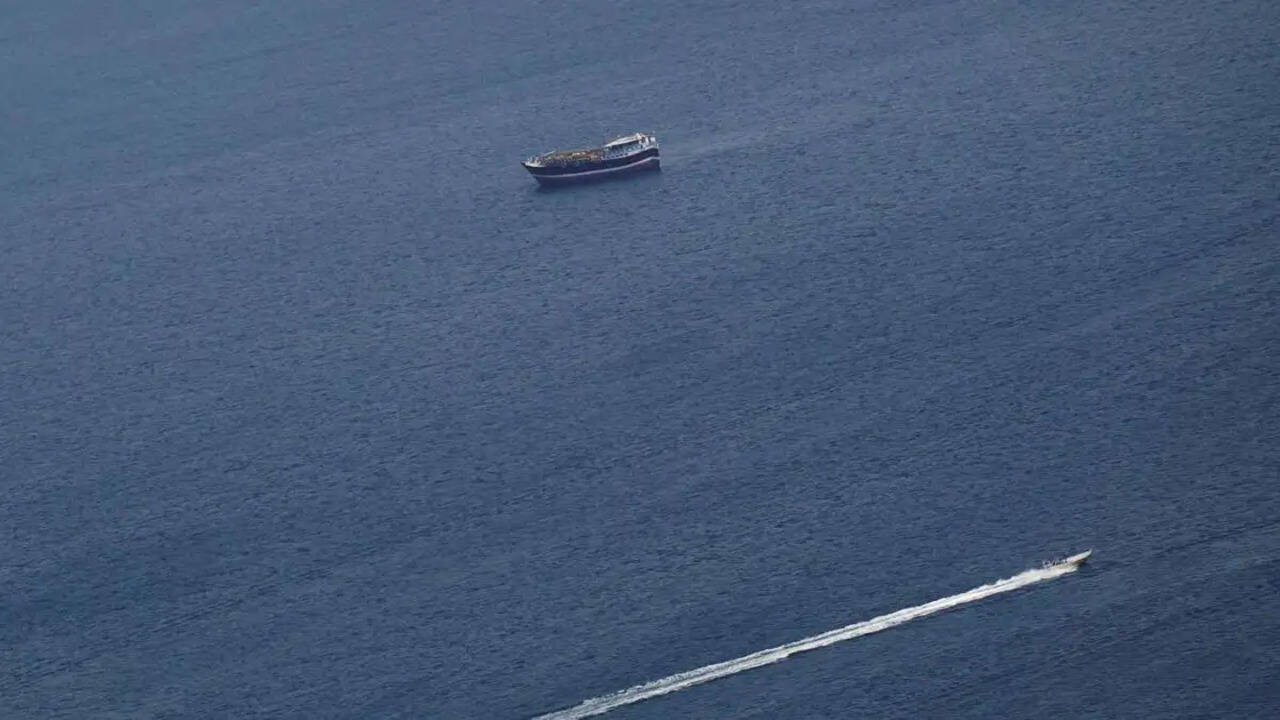
A critical consequence of this conflict has been Iran's decision to largely close the Strait of Hormuz, a narrow yet strategically vital sea channel connecting the oil-rich Persian Gulf with the Gulf of Oman and the Arabian Sea. This blockade has led to an unprecedented disruption in global shipping traffic, bringing nearly all commercial movement through the strait to a halt, except for some vessels allowed by Iran, such as certain Chinese and Indian-flagged ships. The Strait of Hormuz normally facilitates the passage of approximately 20% of the world's oil and liquefied natural gas (LNG) supplies, as well as a significant portion of globally traded fertilizers and other commodities.
The effective closure of this crucial waterway has triggered a dramatic surge in global oil and gas prices. Brent crude, an international oil benchmark, has risen by about 60% since the war began, reaching upwards of $107 to $141 per barrel, marking its highest level since the 2008 financial crisis. Experts warn that prices could soar to $150 or even $200 a barrel if the near-total closure persists. Beyond oil and gas, the blockade has impacted other critical commodities. India, for instance, heavily reliant on Middle Eastern imports for about 90% of its LPG, has faced severe shortages, forcing citizens to resort to alternative cooking fuels. Aluminum supplies have also been affected due to Iranian attacks on smelters in the UAE and Bahrain.
In response to this global economic threat, the United Kingdom has taken a leading role in diplomatic efforts to secure the reopening of the Strait of Hormuz. British Foreign Secretary Yvette Cooper is chairing virtual meetings with representatives from more than 35 to 40 countries, including France, Germany, Italy, Canada, Japan, and the United Arab Emirates. These talks, which commenced on April 2, 2026, aim to demand the "immediate and unconditional" reopening of the vital shipping route. The participating nations are exploring all viable diplomatic and political measures to restore freedom of navigation, guarantee the safety of trapped ships, and resume the movement of vital commodities. The US, however, is notably absent from these specific UK-led discussions, with President Donald Trump having stated that securing the waterway is not America's job and criticizing European allies for their perceived lack of support for the war. Trump has also made conflicting statements, at times threatening to "obliterate" Iran's power plants if the strait is not reopened, and at others suggesting a potential US exit from Iran within two to three weeks, leaving the Strait's security to other nations.
The crisis has highlighted Iran's insistence on its "sovereign right" over the strait, while Washington views its reopening as a condition for a ceasefire. The international community views Iran's closure of the strait as a violation of the UN Convention on the Law of the Sea. The diplomatic efforts by the UK and other nations underscore the global economic tremors caused by the conflict, affecting households and businesses worldwide through elevated energy and food prices.
For India, the unfolding events have immediate and significant implications. Beyond the LPG shortages, the broader disruption to global trade routes impacts its economy and energy security. The Indian Navy has reportedly provided escorts to Indian-flagged vessels transiting the Gulf of Oman, demonstrating national efforts to mitigate the crisis. The complex interplay of military actions, diplomatic maneuvering, and severe economic repercussions defines this critical global situation.
Frequently Asked Questions
What is the current status of the US-Iran conflict?
As of early April 2026, the US and Iran are engaged in an active conflict, with the US and Israel launching strikes against Iran, and Iran retaliating with missile and drone attacks on US and Israeli targets, as well as Gulf states.
Why is the Strait of Hormuz significant, and what is its current status?
The Strait of Hormuz is a crucial global chokepoint for oil and gas shipping, handling about 20% of the world's supplies. Iran has largely closed the strait in retaliation for the ongoing conflict, causing severe disruptions to international trade and a surge in global commodity prices.
What role is the UK playing in resolving the Strait of Hormuz crisis?
The UK is leading international diplomatic efforts, with Foreign Secretary Yvette Cooper chairing talks involving over 35 countries, to demand the immediate and unconditional reopening of the Strait of Hormuz and restore freedom of navigation.
How has the conflict and the Strait of Hormuz blockade impacted India?
India is significantly affected, particularly experiencing shortages of liquefied petroleum gas (LPG), as it relies heavily on imports from the Middle East through the Strait of Hormuz. The Indian Navy has also reportedly provided escorts to Indian vessels in the region.
What is President Donald Trump's stance on the Strait of Hormuz situation?
President Trump has indicated that securing the Strait of Hormuz is not America's primary responsibility, urging other oil-importing nations to take action. He has also issued threats against Iran if the strait remains closed, while at times suggesting a potential US withdrawal from Iran.