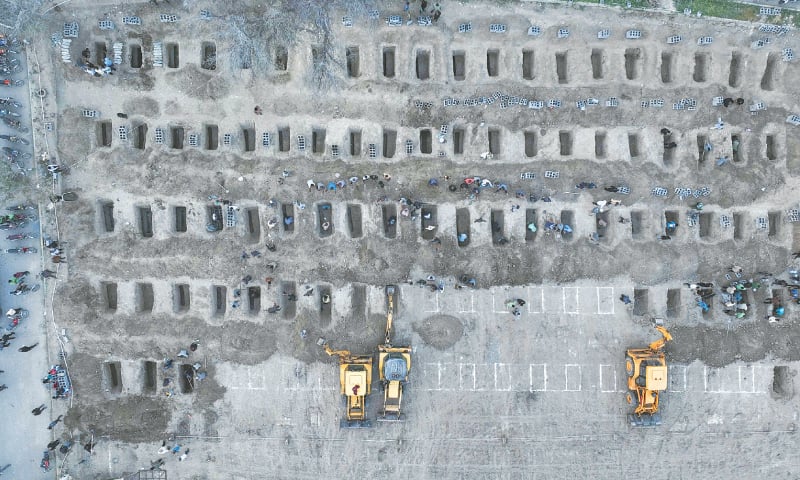
Iran: Funeral Held for 165 Schoolgirls Killed in Disputed Attack
A mass funeral was reportedly held in Minab, southern Iran, for 165 schoolgirls and staff killed in a recent school bombing. While Iranian officials attribute the attack to a joint US-Israeli strike, this claim remains unconfirmed and disputed by the US and Israel. The incident has drawn international condemnation.
Key Highlights
- Mass funeral held for 165 schoolgirls in Minab, Iran.
- Iranian officials claim attack was a US-Israeli strike.
- US denies deliberately targeting school; Israel disputes claims.
- Incident has garnered significant international attention and condemnation.
- Casualty figures reported by Iran are around 165 deaths and 96 injuries.
- Lack of independent verification for US-Israeli culpability.
A solemn mass funeral has reportedly taken place in Minab, a city in the Hormozgan province of southern Iran, for 165 schoolgirls and staff killed in a recent attack on the Shajareh Tayyebeh girls' primary school. The incident, which occurred on Saturday, March 1, 2026, or around that time, has ignited a wave of grief and anger, with Iranian officials and state media vehemently attributing the bombing to a joint US-Israeli military strike. Photographs circulating, including one posted by Iran's foreign minister, depict rows of freshly dug graves, underscoring the scale of the tragedy.
According to Iranian officials, the strike killed approximately 165 students and injured 96 others. Hossein Kermanpour, a spokesperson for Iran's health ministry, described the bombing as "the most bitter news" of the ongoing conflict. The attack occurred during school hours, with many children still inside the building when the explosion happened. UNESCO, the UN's education agency, expressed profound alarm over the incident, stating that an attack on a primary school resulting in such a high death toll, particularly among students, constitutes a grave violation of international humanitarian law. Nobel Peace Prize laureate Malala Yousafzai also condemned the bombing, highlighting the unconscionable killing of civilians, especially children, and called for an end to the escalating violence in the region.
However, the definitive attribution of the attack to the United States and Israel by Iranian sources is a highly contested claim. US Secretary of State Marco Rubio explicitly denied that American forces would "deliberately target a school" and stated that the US Department of War would investigate if it were a US strike. The US Central Command also indicated it was "looking into" reports of civilian harm from ongoing military operations. Israel's ambassador to the UN, Danny Danon, noted having seen different reports, including a claim that the Islamic Revolutionary Guard Corps (IRGC) might have been responsible, a report that Reuters could not independently verify.
This incident unfolds amidst heightened tensions and a broader conflict between the US, Israel, and Iran. The Telegraph India article itself, published on March 4, 2026, features this headline within a broader context discussing the "US-Israeli military campaign in Tehran, Iran" and the regional implications for countries like India, including concerns about oil price shocks and supply chain disruptions. The Ministry of External Affairs in India has established a helpline for Indian nationals, underscoring the direct relevance of this conflict to India's audience due to the significant Indian diaspora in West Asia.
It is important to distinguish this recent event in Minab, Iran, from a separate devastating school bombing that occurred in May 2021 at the Sayed al-Shuhada High School in Dasht-e Barchi, Kabul, Afghanistan. That attack, which killed at least 85 people, predominantly schoolgirls, and injured hundreds, was largely attributed to the Islamic State – Khorasan Province (IS-K), although the Taliban was also initially blamed. While some of the related articles provided for context might appear to conflate these events due to vague wording or the passage of time, the Telegraph India article explicitly refers to the recent incident in Iran. The current event in Iran highlights the severe humanitarian cost of ongoing geopolitical conflicts, with civilian infrastructure, particularly schools, becoming tragic targets and children bearing the brunt of the violence. The lack of independent verification regarding the perpetrators of the Minab attack emphasizes the challenge of obtaining accurate and unbiased information in conflict zones.
Frequently Asked Questions
What happened at the Shajareh Tayyebeh School in Minab, Iran?
On or around March 1, 2026, the Shajareh Tayyebeh girls' primary school in Minab, southern Iran, was reportedly bombed, leading to the deaths of approximately 165 schoolgirls and staff members and injuring 96 others, according to Iranian officials.
Who is being blamed for the attack?
Iranian officials and state media have attributed the attack to a joint US-Israeli military strike. However, the United States has denied deliberately targeting a school, and Israel has stated that the attribution is disputed, with some reports suggesting the Islamic Revolutionary Guard Corps might be responsible.
Has the claim of US-Israeli involvement been independently verified?
No, the claim of US-Israeli involvement in the attack has not been independently verified by international bodies or non-Iranian media. Both the US and Israel have either denied or disputed the accusation.
What has been the international reaction to the school bombing?
The attack has drawn strong condemnation from international organizations and figures. UNESCO has called it a 'grave violation of international humanitarian law,' and Nobel laureate Malala Yousafzai has expressed outrage over the killing of children in conflict.
Why is this news relevant to an Indian audience?
The ongoing conflict and escalation of tensions between the US, Israel, and Iran have direct consequences for India, including potential impacts on oil prices, supply chains, and the safety and well-being of the large Indian diaspora in West Asia. The Indian Ministry of External Affairs has set up a helpline for its citizens.