Mexican Cartel Drones Triggered Brief El Paso Airport Airspace Closure
The El Paso International Airport in Texas experienced a temporary closure due to an alleged incursion of Mexican cartel drones into U.S. airspace. A Trump administration official confirmed this, stating the Defense Department disabled the drones. The FAA lifted the flight restrictions shortly after they were imposed, assuring no threat to commercial aviation.
Key Highlights
- El Paso airport airspace temporarily closed due to alleged cartel drone incursion.
- US Defense Department reportedly disabled the drones.
- FAA lifted flight restrictions, citing no threat to aviation.
- The incident caused significant disruption and concern among travelers and local officials.
- Mexican cartel drones are a known concern for border security.
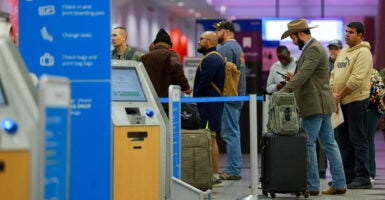
The El Paso International Airport in Texas experienced a significant disruption when its airspace was abruptly closed for several hours on February 11, 2026. Initially, the Federal Aviation Administration (FAA) announced a 10-day closure, which would have grounded all commercial, cargo, and general aviation flights. This unexpected announcement caused considerable confusion and distress among travelers, airlines, and local officials who were caught off guard by the lack of advance notice and clear explanation.
Shortly after the closure was announced, a Trump administration official speaking on condition of anonymity revealed that the reason for the airspace restriction was an "incursion" of Mexican cartel drones into U.S. airspace. This official stated that the Department of Defense had taken swift action to disable these drones and that both the FAA and the Defense Department had concluded there was no ongoing threat to commercial travel.
Following these assurances, the FAA quickly lifted the temporary flight restriction, with normal operations resuming on Wednesday morning. The FAA confirmed via social media that there was no threat to commercial aviation. However, the brevity of the closure and the initial lack of transparency led to criticism from local officials, including Texas Congresswoman Veronica Escobar, who expressed frustration over the lack of communication and the unnecessary chaos caused to travelers.
This incident highlights a growing concern regarding the use of drones by Mexican drug cartels for various illicit activities, including smuggling drugs and conducting surveillance along the U.S.-Mexico border. Steven Willoughby, the deputy director of the counter-drone program at the Department of Homeland Security, had previously testified that cartels are frequently using drones for these purposes, with thousands detected near the southern border in the preceding months. The use of drones by cartels has been an evolving tactic, with reports indicating they are also developing methods to disrupt U.S. border surveillance drones.
While a Trump administration official attributed the closure to cartel drones, some reports suggested other contributing factors, including potential testing of anti-drone technology or military operations at the nearby Biggs Army Airfield on Fort Bliss. However, the official statement from the Trump administration and the subsequent lifting of the FAA restriction focused on the cartel drone incursion being neutralized. Transportation Secretary Sean Duffy stated that the FAA and the Defense Department acted swiftly and that the threat was neutralized.
The incident, though brief, underscored the vulnerabilities of air traffic control to security threats and the complex challenges posed by cross-border criminal organizations utilizing advanced technology. The rapid response by the Defense Department in disabling the drones, as reported, demonstrates a capability to counter such aerial intrusions. Nevertheless, the event also brought to light the need for better inter-agency communication and advance notification for significant disruptions to civilian infrastructure.
The airspace around Santa Teresa, New Mexico, which is close to El Paso, also experienced a similar temporary flight restriction, though it remained in place longer than the one over El Paso. The reasons for this extended restriction were not immediately clear, but it added to the regional disruption.
In summary, the closure of El Paso International Airport airspace was a brief but impactful event attributed by U.S. officials to a Mexican cartel drone incursion. The swift intervention by the Defense Department and the subsequent lifting of the FAA restrictions highlighted the ongoing challenges and rapid responses related to border security and aerial threats.
Frequently Asked Questions
What caused the closure of El Paso International Airport's airspace?
According to a Trump administration official, the airspace closure was caused by an alleged incursion of Mexican cartel drones into U.S. airspace. The Defense Department reportedly took action to disable these drones.
How long was El Paso International Airport closed?
The FAA initially announced a 10-day closure, but the restriction was lifted after only a few hours, with normal flights resuming shortly thereafter.
Was there a threat to commercial aviation?
No, the FAA and the Defense Department determined there was no threat to commercial travel. The FAA lifted the restrictions once the threat was neutralized.
Are Mexican cartels known to use drones?
Yes, U.S. officials have previously stated that Mexican cartels are increasingly using drones for smuggling drugs, conducting surveillance, and other illicit activities along the U.S.-Mexico border.
Why was there criticism regarding the closure?
Local officials and travelers expressed frustration due to the abrupt nature of the closure, the lack of advance notice, and the initial lack of clear information, which caused significant disruption and chaos.