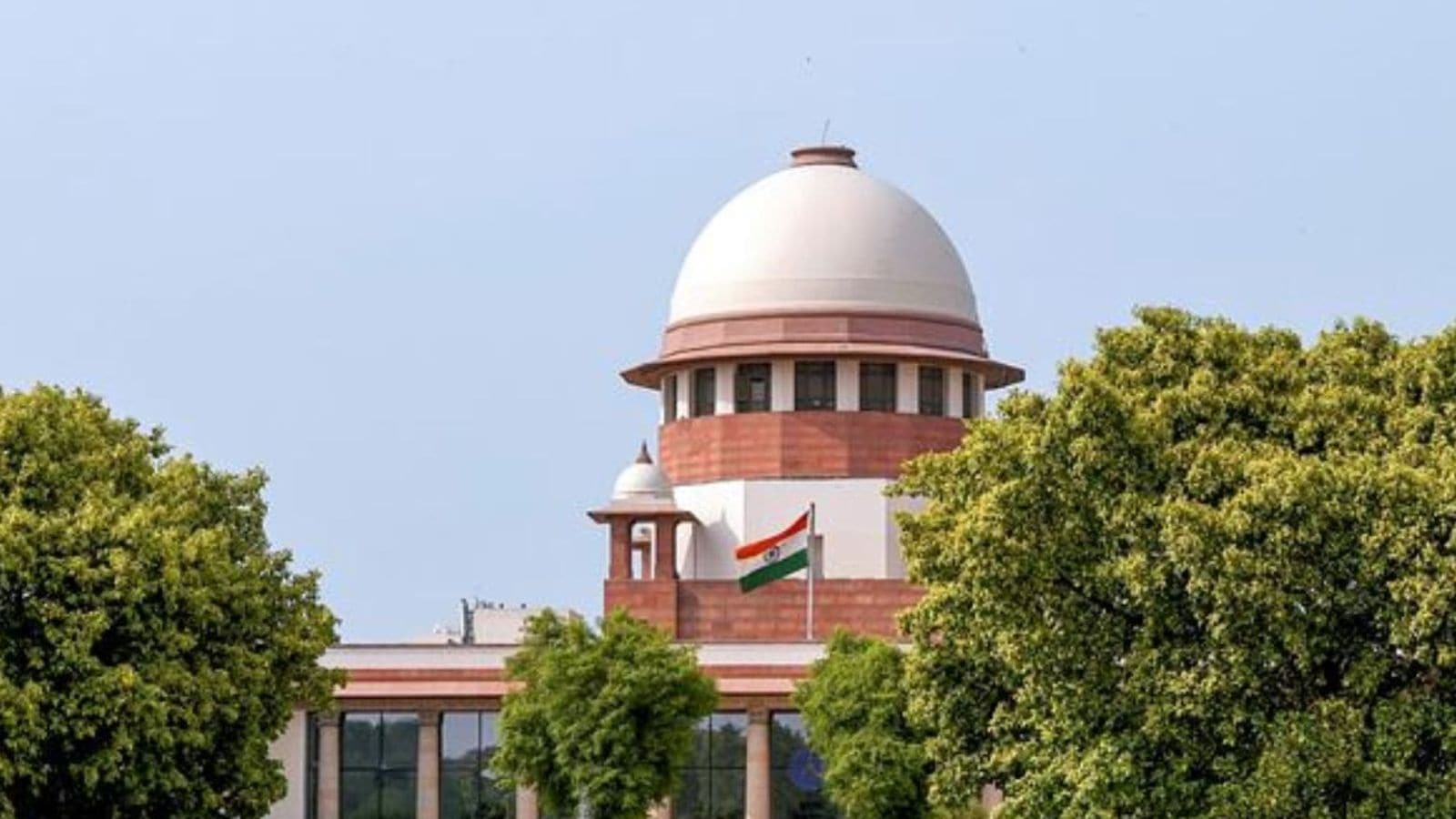
India's Judiciary: Women Lawyers Expose Deep-Rooted Gender Barriers
Three generations of women lawyers in India reveal systemic barriers within the judiciary, from subtle gender biases to a 'boys' club' culture, hindering their advancement. Despite increasing enrollment in law, women remain significantly underrepresented in higher judicial roles, prompting calls for urgent institutional reforms to ensure inclusive justice.
Key Highlights
- Women lawyers face subtle and overt gender biases in India's judiciary.
- Significant underrepresentation of women persists in higher judicial positions.
- 'Boys' club' culture and lack of mentorship are critical hidden barriers.
- Work-life balance challenges and inadequate infrastructure impede women's careers.
- CJI urges High Courts to prioritize women advocates for judicial elevation.
- Debate continues on extending PoSH Act protection to women advocates in courts.
An article published by The Indian Express on March 7, 2026, titled 'From 'food committee' to 'boys club': Three generations of women lawyers reveal hidden barriers in India's judiciary', critically examines the systemic challenges faced by women in the legal profession and judiciary in India. The piece, based on a panel discussion, highlights how deeply entrenched gender biases, a pervasive 'boys' club' culture, and inadequate support systems continue to impede the progress of women lawyers across generations.
The central claim that hidden barriers, from being relegated to 'food committees' to confronting a 'boys' club' mentality, persist in the Indian judiciary is strongly corroborated by numerous credible sources. Multiple reports and articles confirm the existence of a male-dominated environment and significant gender discrimination within the legal fraternity. Women lawyers frequently encounter prejudice, stereotyping, and are often perceived as less authoritative than their male counterparts, impacting their opportunities for growth and recognition.
One of the most significant factual claims verified is the severe underrepresentation of women in the Indian judiciary, particularly at higher echelons. The Indian Express article states that the Supreme Court of India has historically seen only 11 women judges in over seven decades, and as of the article's publication, Justice B.V. Nagarathna was the sole woman judge among 33 male judges. This statistic is consistent with real-time data from early 2026, which reported one woman judge out of 33 in the Supreme Court. Historically, the highest number of women judges simultaneously serving in the Supreme Court was four, following appointments in September 2021.
In High Courts, the representation is marginally better but still low. As of February 6, 2026, women constitute approximately 14.85% of the total working strength of 781 judges across all High Courts, totaling 116 women judges. Other data from August and November 2024 indicate similar low percentages, with 14% and 4% respectively, although some sources report higher figures like 11-13%. The Punjab & Haryana High Court leads in terms of absolute numbers and percentage with 18 women judges out of 61 (29.51%). The situation is more encouraging in the district judiciary, where women judges account for nearly 37%, according to the Chief Justice of India (CJI) Surya Kant. However, even here, some reports cite figures around 28% or 3% at the district level. This disparity, often referred to as a 'funnel effect,' means fewer women advance to higher judicial positions despite a relatively strong pipeline at entry levels.
The challenges highlighted by the women lawyers in the article – subtle gender biases, work-life balance issues, lack of mentorship, inadequate infrastructure, and discrimination in elevation – are widely echoed across various legal analyses and reports. Women often face the daunting task of balancing demanding professional commitments with societal expectations regarding family responsibilities, frequently leading to career compromises. Many also experience a scarcity of mentorship and professional networking opportunities, which are often male-centric and less accessible to women. Furthermore, practical issues like a shortage of restrooms in courtrooms add to the difficulties, and safety concerns often compel women lawyers to finish work early. Clients themselves sometimes exhibit biases, preferring male solicitors even when female advocates are equally or more competent.
The notion of a 'glass ceiling' preventing women from reaching senior legal positions is a recurring theme. Women are underrepresented as senior advocates, law firm partners, and judges, with biases often favoring men in elevation processes. This systemic issue was further underscored by Chief Justice of India Surya Kant's statements on International Women's Day (March 8, 2026). He publicly urged High Court collegiums to proactively consider more women advocates for judicial appointments, emphasizing that their elevation should be the norm, not an exception. He also suggested widening the zone of consideration to include women advocates practicing in the Supreme Court who hail from particular states. The CJI acknowledged that while women do not bring a 'separate standard of justice,' their lived experiences enrich the judicial process with diverse perspectives.
Another related issue discussed in contextual articles is the applicability of the Sexual Harassment of Women at Workplace (Prevention, Prohibition and Redressal) Act, 2013 (PoSH Act) to women advocates. The Wire article 'The Courtroom is Our Workplace: Why Women Advocates Must Fall Within Court ICC Jurisdiction' (published on March 8, 2026) highlights a legal debate ignited by a July 2025 Bombay High Court ruling. The court held that the PoSH Act might not apply to complaints by women advocates before Bar Councils due to the absence of an employer-employee relationship. However, a Public Interest Litigation (Geeta Rani v. Union of India, January 2026) is challenging this, asserting that women lawyers have a fundamental right to a safe working environment under constitutional provisions. The distinction here is important: 'ICC' in this context refers to an Internal Complaints Committee under the PoSH Act, not the International Criminal Court.
In conclusion, The Indian Express article accurately reflects a critical ongoing conversation in India regarding gender equality within its legal system. The claims made are well-supported by various contemporary news reports, legal analyses, and judicial pronouncements. There is no evidence of misinformation or significant exaggeration; rather, the article presents a nuanced view corroborated by real-time information. The 'food committee' and 'boys club' descriptions serve as powerful metaphors for the systemic challenges women lawyers navigate daily in their pursuit of justice and professional recognition in India. The call for institutional reforms by the CJI further validates the severity and urgency of addressing these hidden barriers.
Frequently Asked Questions
What are the primary barriers hindering women lawyers in India?
Women lawyers in India face multiple challenges including pervasive gender biases and stereotyping, difficulties balancing work and family responsibilities, lack of adequate mentorship and networking opportunities, insufficient courtroom infrastructure like restrooms, and a 'boys' club' culture that limits their professional advancement and elevation to senior roles.
What is the current representation of women in India's judiciary?
As of early 2026, the Supreme Court has only one woman judge out of 33. In High Courts, women constitute approximately 14.85% of judges. Representation is comparatively better in the district judiciary, where women account for nearly 37% of judges.
What measures are being advocated to improve gender diversity in the Indian judiciary?
Chief Justice of India Surya Kant has urged High Court collegiums to actively consider more women advocates for judicial appointments and treat their elevation as a norm, not an exception. He also called for widening the pool of candidates to include women practicing in the Supreme Court from different states. Additionally, there's a push for better infrastructure, mentorship programs, and gender-sensitive policies.
How does the 'boys' club' culture manifest in the Indian legal profession?
The 'boys' club' culture manifests through informal networks that exclude women, subtle and overt discrimination, preference for male colleagues by clients and senior lawyers, and a general environment where women's contributions may be undervalued or dismissed, impacting their access to significant cases and career progression.
Why is increased representation of women in the judiciary considered important?
Increased representation of women is crucial for a more inclusive and equitable justice delivery system. Women judges bring diverse perspectives and lived experiences that can enrich judicial understanding, particularly in cases involving gender justice, family law, and domestic violence. It also helps in breaking the 'glass ceiling' and inspiring younger generations of women in the legal field.