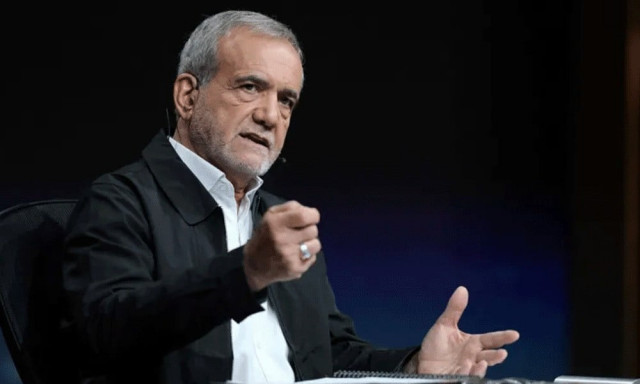
Iran FM Araghchi Returns to Pakistan Amid US-Iran Ceasefire Talks Stalemate
Iranian Foreign Minister Abbas Araghchi has returned to Pakistan, emphasizing continued diplomatic efforts to salvage US-Iran ceasefire talks. This follows the US cancellation of its envoys' trip, signaling persistent challenges in brokering a resolution to the ongoing Israel-Iran conflict despite Pakistan's mediation.
Key Highlights
- Iranian FM Abbas Araghchi returned to Pakistan to resume diplomatic efforts.
- US President Donald Trump canceled envoys' trip for direct talks.
- Pakistan continues to mediate US-Iran ceasefire negotiations.
- Ongoing Israel-Iran conflict necessitates urgent diplomatic resolution.
- Strait of Hormuz blockade and regional tensions remain critical issues.
- Iran states no direct talks planned with the US during Araghchi's visit.
The diplomatic landscape surrounding the ongoing Israel-Iran conflict remains tense yet active, as Iranian Foreign Minister Abbas Araghchi has notably returned to Pakistan to continue efforts to facilitate a ceasefire and de-escalation with the United States. This development, occurring on Sunday, April 26, 2026, underscores Pakistan's persistent role as a mediator in the critical negotiations aimed at resolving the broader US-Iran conflict, which has seen direct and proxy engagements across the Middle East.
Araghchi's visit to Islamabad began on Friday, April 24, 2026, amidst high expectations for a second round of peace talks between Iran and the United States. During his initial presence in the Pakistani capital, he engaged with Pakistan's senior political and military leadership, including Prime Minister Shehbaz Sharif and Chief of Army Staff Field Marshal Asim Munir. These discussions focused on regional developments, the fragile ceasefire, and the ongoing diplomatic initiatives spearheaded by Islamabad.
However, the prospects for immediate direct talks faced a setback when Iran's Foreign Ministry spokesperson, Esmaeil Baqaei, clarified that no direct meeting was scheduled between the Iranian and US delegations during Araghchi's visit. This statement was quickly followed by an announcement from US President Donald Trump on Saturday, April 25, 2026, confirming the cancellation of his envoys' planned trip to Pakistan. Trump, citing Iran's negotiation posture and the lack of readiness for direct engagement, stated that the US held 'all the cards' and that Iran could initiate contact when prepared for substantive discussions.
Despite this apparent halt to direct engagement, Araghchi departed from Islamabad on Saturday evening, only to return on Sunday, April 26, 2026, after a brief visit to Oman. This unexpected return highlights the urgency and complexity of the situation, with Pakistan's leadership continuing to 'scramble' to reignite the ceasefire talks. Pakistani officials have indicated that indirect talks are still progressing, emphasizing that resolving tensions between Washington and Tehran will require patience and sustained diplomatic effort.
Sources confirm the existence of an active 'Israel-Iran war' or 'U.S.-Israeli war with Iran' in April 2026. This conflict has involved large-scale strikes, targeting of military assets and leadership, and significant regional instability. A 'Twelve-Day War' between Iran and Israel had previously occurred in June 2025, with the US briefly joining the conflict. The current diplomatic maneuvers are aimed at consolidating and extending a temporary ceasefire.
A key point of contention in the negotiations is the US naval blockade on Iranian ports, which Iran views as an 'act of war' and a violation of the ceasefire. Iranian officials have consistently maintained that the lifting of the blockade is a precondition for a new round of negotiations, highlighting the significant economic and strategic pressure Tehran is under. The ongoing blockade, alongside rising tensions in the Strait of Hormuz, has had considerable repercussions on global energy markets and shipping.
The broader regional context involves various actors, including Lebanon, Iraq, and the Gulf states, all affected by the widespread conflict. Israel, a close US ally, has deployed its Iron Dome defense system to the UAE during this war, underscoring the interconnectedness of regional security.
Abbas Araghchi's position as Iran's Foreign Minister since August 2024 is confirmed, reflecting his significant role in shaping Iran's foreign policy and engaging in critical international negotiations. His extensive diplomatic background, including his involvement in the 2015 Joint Comprehensive Plan of Action (JCPOA) nuclear deal negotiations, positions him as a key figure in the current high-stakes diplomacy.
Ultimately, while direct talks remain elusive, the sustained diplomatic efforts by Pakistan and Araghchi's return indicate a continued commitment to finding a resolution, even if indirect communication is currently the primary channel. The international community, especially India, closely monitors these developments due to their profound implications for regional stability, global energy security, and broader geopolitical dynamics. The news is critical given the potential for escalation and its wide-ranging impact.
Frequently Asked Questions
What is the current status of the Israel-Iran conflict?
There is an ongoing Israel-Iran war in April 2026, with efforts underway to maintain and extend a ceasefire. The conflict has involved military strikes and proxy engagements, with significant regional and global implications.
Who is Abbas Araghchi and what is his role in the current diplomatic efforts?
Abbas Araghchi is the current Foreign Minister of Iran, having assumed office in August 2024. He is a key figure in Iran's diplomatic engagement, recently visiting Pakistan and Oman to discuss ceasefire negotiations and regional developments with international mediators.
Why did the US cancel its envoys' trip to Pakistan for talks with Iran?
US President Donald Trump canceled the trip after Iran's Foreign Ministry stated that no direct talks were planned with the US during Araghchi's visit to Pakistan. Trump cited Iran's negotiation stance and their unwillingness for direct engagement as reasons for the cancellation.
What role is Pakistan playing in the US-Iran conflict?
Pakistan is acting as a crucial mediator, actively working to facilitate and save ceasefire talks between the United States and Iran. Its political and military leadership are engaged in discussions with both sides to de-escalate tensions and promote a diplomatic resolution.
What are the main obstacles to a permanent ceasefire between the US and Iran?
Key obstacles include Iran's demand for the lifting of the US naval blockade on its ports, which it considers an act of war, and differing stances on the terms of negotiation. Tensions in critical waterways like the Strait of Hormuz also complicate diplomatic progress.