South Korea's Lee Balances China, Japan Ties with Back-to-Back Summits | Quick Digest
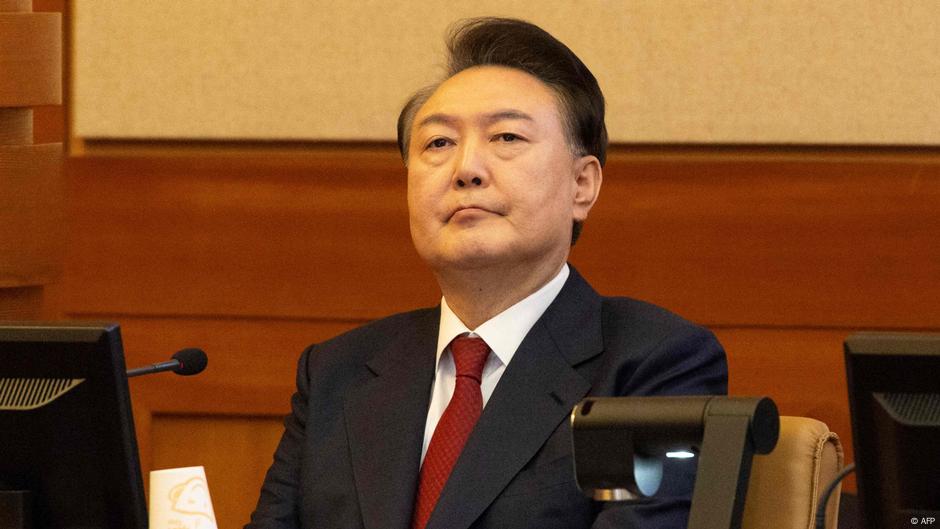
South Korean President Lee Jae Myung recently held back-to-back summits with Chinese President Xi Jinping and Japanese Prime Minister Sanae Takaichi. The diplomatic efforts aim to balance Seoul's relations with its powerful neighbors amid escalating regional tensions.
South Korean President Lee Jae Myung met China's Xi Jinping on January 5, 2026.
Lee then held a summit with Japan's Sanae Takaichi on January 13, 2026.
The sequential summits aimed at balancing Seoul's ties with Beijing and Tokyo.
Meetings occurred amidst heightened China-Japan tensions over Taiwan and regional stability.
Lee emphasized pragmatic diplomacy to secure cooperation in business and technology.
Discussions also touched upon historical issues and regional security challenges.
South Korean President Lee Jae Myung embarked on a delicate diplomatic mission in early January 2026, holding successive summits with Chinese President Xi Jinping and Japanese Prime Minister Sanae Takaichi. The South Korean leader met President Xi Jinping in Beijing on January 5, 2026, marking his first trip to the Chinese capital since taking office and signaling a desire for a "full-scale restoration" of relations. A week later, on January 13, 2026, President Lee headed to Nara, Japan, for a summit with Prime Minister Takaichi. This rapid sequence of high-level engagements underscored Seoul's strategy of "pragmatic diplomacy" to balance its relationships with both powerful neighbors amidst rising regional tensions.
The summits took place against a backdrop of escalating diplomatic disputes between Beijing and Tokyo, particularly concerning Taiwan and regional security issues. During his discussions, President Lee reportedly aimed to foster cooperation in areas such as business and artificial intelligence, while carefully avoiding taking sides in the Sino-Japanese disagreements. Historical issues, including those related to Japan's colonial past, were also on the agenda, with agreements reached on humanitarian cooperation regarding the identification of remains from a colonial-era disaster. Lee's two-day visit to Japan, shorter than his four-day trip to China, was described as part of ongoing "shuttle diplomacy" efforts. The diplomatic marathon highlights South Korea's crucial role in navigating the complex geopolitical landscape of Northeast Asia and seeking stability through dialogue.
Read the full story on Quick Digest