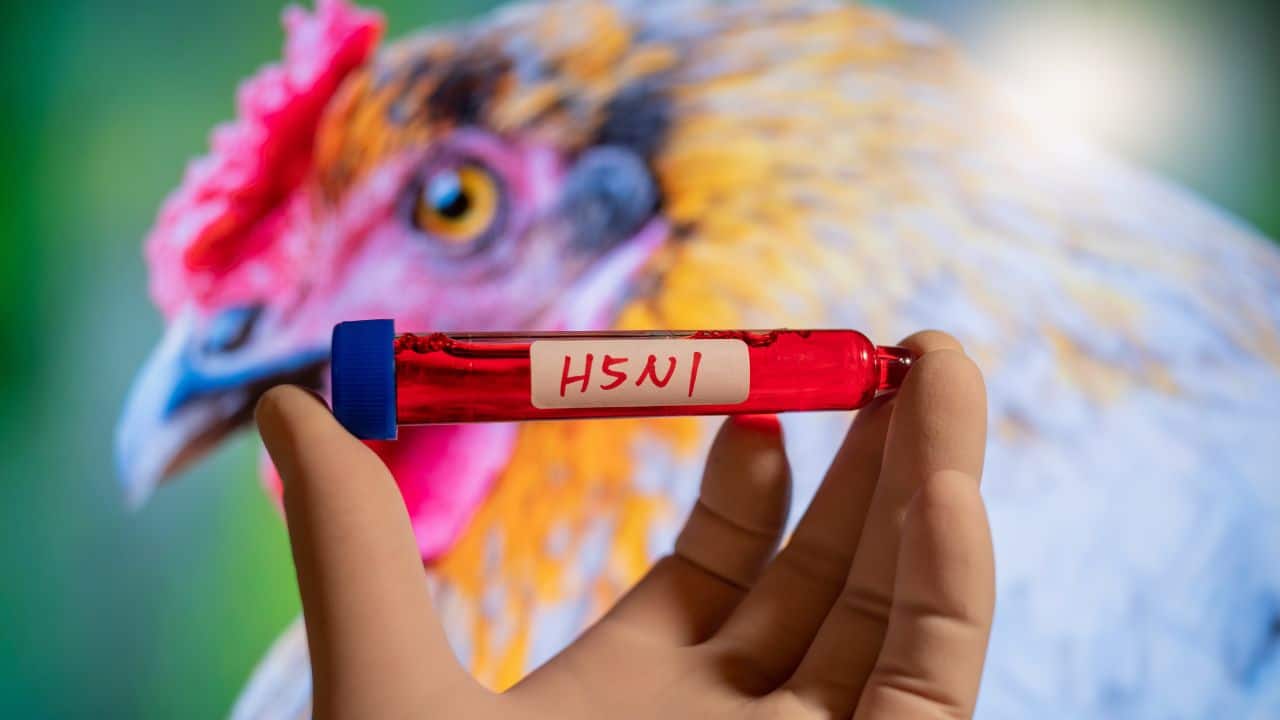
Bird flu's deadly reach: Chickens, cats, and marine mammals at risk
The highly pathogenic H5N1 strain of bird flu is a significant threat to poultry, with outbreaks causing mass deaths in backyard chickens. Beyond birds, the virus has demonstrated its ability to infect and prove deadly to mammals, including cats and marine life like seal pups. Experts urge heightened vigilance and biosecurity measures to prevent spread.
Key Highlights
- H5N1 bird flu poses a severe risk to backyard chickens.
- The virus can infect and kill domestic cats.
- Marine mammals, such as seal pups, have suffered mass die-offs from H5N1.
- Mammal-to-mammal transmission of H5N1 is a growing concern.
- Biosecurity and monitoring are crucial for prevention.
- Recent outbreaks highlight the virus's adaptability and broad impact.
The highly pathogenic H5N1 strain of avian influenza, commonly known as bird flu, poses a severe and expanding threat that extends beyond avian populations to include domestic animals and even marine mammals. The virus's ability to infect and cause mortality in a range of species, coupled with evidence of mammal-to-mammal transmission, has raised significant concerns among veterinary experts and public health officials. Backyard chicken flocks, in particular, are highly susceptible to H5N1, with outbreaks often resulting in sudden deaths and rapid dissemination within a flock [4, 8, 22, 26, 39]. Symptoms in chickens can range from lethargy and decreased appetite to respiratory distress, swollen combs and wattles, purple discoloration, diarrhea, and in severe cases, sudden death [4, 22, 26, 39]. The highly pathogenic nature of HPAI strains means that swift detection and reporting are critical to limiting spread and protecting both animal and human health [8].
Beyond poultry, the H5N1 virus has demonstrated a concerning capacity to infect other mammals. Domestic cats are at risk, with documented cases showing severe illness and mortality. Transmission to cats can occur through various routes, including consuming infected birds or raw meat, contact with contaminated environments, or even through contact with infected animals or their bodily fluids [10, 18, 19, 21, 30, 31, 32, 46, 48]. Symptoms in cats can include fever, lethargy, loss of appetite, respiratory issues, neurological signs like tremors and seizures, eye and nose discharge, and in severe instances, death [10, 18, 19, 21, 30, 31, 32]. There have also been instances of cat-to-human transmission, although the public health risk is currently assessed as low [48]. This underscores the importance of preventative measures for pet owners, such as avoiding feeding raw animal products to cats and practicing good hygiene [21, 48].
The reach of H5N1 extends even further into the animal kingdom, as evidenced by the devastating outbreaks in marine mammal populations. In a significant event, over 13,000 southern elephant seal pups died on Australia's remote Heard Island due to the H5N1 strain [3, 7, 9, 11, 16]. This event, which saw mortality rates as high as 97% in some colonies, highlights the virus's adaptability and its potential to cause mass die-offs in wildlife [3, 7, 9, 11, 16]. The virus has also been detected in other species on Heard Island, including king penguins and Antarctic fur seals [3, 7, 11]. These events are part of a broader pattern of H5N1 spilling over into mammal populations globally, with studies indicating mammal-to-mammal transmission occurring in species like elephant seals in South America [5, 14].
The adaptability of H5N1 to mammals is a growing area of concern. Research has shown that the virus can evolve within mammalian hosts, with distinct mammalian clades emerging [14]. This adaptability, including evidence of transmission between cattle, and from cattle to cats and raccoons, suggests a potential for increased risk to other species, including humans [17, 27, 44, 45]. While human infections remain rare and generally associated with close contact with infected animals or contaminated environments, the possibility of mutations leading to easier human-to-human transmission is a persistent concern [12, 17, 23, 36, 40].
In India, avian influenza has been a recurring issue, with H5N1 outbreaks in poultry reported consistently since 2006 [6, 13, 15, 23, 28, 29, 36, 38]. These outbreaks have led to the culling of millions of birds and significant economic losses [13, 28, 29]. Recent detections in states like Kerala and Karnataka in early 2026 have led to intensified surveillance and culling efforts [15, 23, 28]. There have also been documented cases of H5N1 in domestic cats in India, raising concerns about the virus's mutation potential [25]. Public health advisories and surveillance systems are in place to monitor for human cases, though no sustained human-to-human transmission has been observed [23, 36, 38, 40].
Preventative measures and heightened surveillance are crucial in managing the spread of H5N1. This includes strict biosecurity on farms, prompt reporting of suspected cases, responsible pet ownership practices, and ongoing monitoring of both animal and human populations. The dynamic nature of avian influenza necessitates a coordinated 'One Health' approach to mitigate risks and prepare for potential future challenges [13, 36, 47].
Frequently Asked Questions
Can bird flu infect my pet cat?
Yes, bird flu (H5N1) can infect domestic cats. Symptoms may include fever, lethargy, loss of appetite, respiratory issues, and neurological signs. Transmission can occur through contact with infected birds, raw meat, or contaminated environments. While rare, cat-to-human transmission has been documented.
How dangerous is bird flu to backyard chickens?
Bird flu, particularly the highly pathogenic H5N1 strain, is very dangerous for backyard chickens. It can cause sudden deaths, respiratory distress, and rapid spread within a flock, leading to significant mortality.
Has bird flu affected marine animals like seals?
Yes, bird flu has caused devastating outbreaks in marine mammals. Over 13,000 southern elephant seal pups died on Australia's Heard Island due to H5N1, highlighting the virus's impact on wildlife populations.
Is there a risk of bird flu spreading between mammals, including humans?
There is growing evidence of mammal-to-mammal transmission of H5N1, which is a significant concern. While human infections are rare and usually linked to close contact with infected animals, the virus's adaptability raises concerns about potential future mutations that could facilitate human-to-human spread.