Jammu & Kashmir Battles Severe Cold Wave, Dal Lake Freezes | Quick Digest
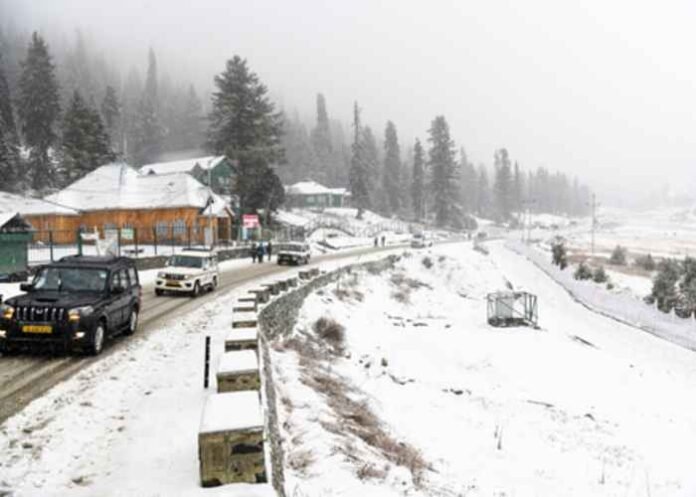
Jammu and Kashmir are experiencing an intense cold wave, with record low maximum temperatures in Jammu and sub-zero conditions across Kashmir. Parts of Dal Lake have frozen, while a prolonged dry spell raises concerns for the region's water resources.
Jammu city recorded its 4th lowest maximum temperature ever on Jan 14.
Kashmir reels under sub-zero temperatures, freezing water bodies.
Srinagar recorded a minimum of minus 3.9°C on January 15.
'Chillai-Kalan', the harshest winter period, continues in Kashmir.
Dense fog in Jammu disrupts flights and delays trains.
Upcoming Western Disturbances expected to bring some rain/snow.
Jammu and Kashmir are currently grappling with severe cold wave conditions, with Jammu city recording an unprecedented chill and Kashmir experiencing a deep freeze, as confirmed by multiple credible sources. On January 14, 2026, Jammu city registered its fourth lowest maximum temperature ever at 7.4 degrees Celsius, a mere three-degree gap from its minimum of 4.4 degrees Celsius on January 15, exacerbated by persistent fog. This unusual cold in Jammu has significantly impacted daily life, causing disruptions to flight operations due to dense fog and delaying trains.
Meanwhile, the Kashmir Valley remains gripped by 'Chillai-Kalan', the harshest 40-day winter period, which commenced on December 21 and is slated to end on January 30. Minimum temperatures across Kashmir continue to hover several degrees below the freezing point. Srinagar recorded a low of minus 3.9 degrees Celsius on January 15, having risen slightly from minus 5.2 degrees Celsius the previous night. Other areas like Shopian were even colder, registering minus 7.5 degrees Celsius on January 14. The intense cold has led to the freezing of various water bodies, including parts of the iconic Dal Lake in Srinagar.
A prolonged dry spell in the Valley is a growing concern, as plains have yet to receive significant snowfall this season, which is crucial for replenishing water sources vital for agriculture and drinking water. However, relief might be on the horizon as the India Meteorological Department forecasts approaching Western Disturbances, expected to bring light to moderate rain and snow to the region, particularly from January 16 onwards. This weather event significantly affects the local population and infrastructure, necessitating public awareness and preparedness.
Read the full story on Quick Digest