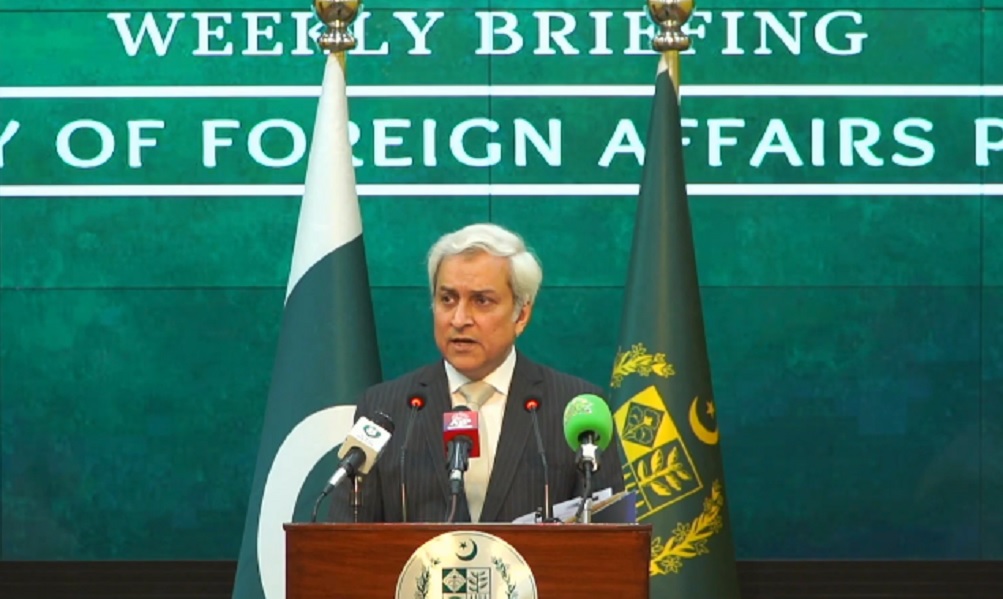
US-Iran Truce Talks Advance: Ceasefire, Regional Stability in Focus
The United States and Iran are engaged in crucial talks, largely mediated by Pakistan, to secure a temporary truce and foster regional stability. Iran is currently reviewing a US proposal aimed at ending hostilities, a development confirmed by Iranian officials amidst cautious optimism for a basic deal.
Key Highlights
- US and Iran pursuing a temporary truce agreement, mediated by Pakistan.
- Iran is actively reviewing a US proposal to end ongoing hostilities.
- Ceasefire implementation and regional stability are primary discussion points.
- Strait of Hormuz reopening crucial for global oil supply.
- Nuclear program, missile capabilities remain contentious long-term issues.
- Diplomatic efforts are ongoing despite recent military tensions and skepticism.
The United States and Iran are actively engaged in high-stakes diplomatic negotiations, primarily facilitated by Pakistan, aimed at securing a temporary truce and ultimately a more comprehensive peace deal to end the ongoing conflict, referred to as the '2026 Iran war.' Iranian officials have confirmed that they are currently reviewing a proposal put forth by the US, which centers on a short-term memorandum of understanding to halt hostilities.
The negotiations come amid a fragile ceasefire that has been in effect since April 8, 2026, following several weeks of conflict. However, this ceasefire has seen violations from both sides, underscoring the delicate nature of the current situation. Pakistan has emerged as a key mediator, hosting rounds of talks and acting as an intermediary for communication between Washington and Tehran.
A central component of the US proposal under review by Iran is the reopening of the Strait of Hormuz, a critical maritime chokepoint through which a significant portion of the world's oil supplies passes. The US had previously initiated a naval mission, dubbed 'Project Freedom,' to ensure safe passage through the strait, which was temporarily paused due to progress in the ongoing talks. Iran's control over the Strait and its potential to disrupt shipping have been major leverage points in the negotiations.
Beyond the immediate ceasefire, discussions focus heavily on broader regional stability. The conflict has had wider repercussions, notably in Lebanon, where Israel and the Iran-backed Hezbollah have been engaged in hostilities. A key Iranian demand in the negotiations is a halt to Israeli strikes in Lebanon, and separate talks between Israel and Lebanon are also underway to address their specific conflict.
While the current US proposal is largely seen as a framework for a short-term de-escalation, it is intended to pave the way for more detailed negotiations. If an initial agreement is reached, it would trigger a 30-day period for extensive discussions on more contentious issues. These unresolved matters include Iran's nuclear program, particularly its uranium enrichment activities and existing stockpile, as well as its ballistic missile capabilities and support for regional proxy militias. The lifting of US sanctions against Iran is another critical point of discussion, with Iran seeking the unfreezing of its overseas assets.
There is a mixed sentiment surrounding the talks. US President Donald Trump has expressed optimism, suggesting a deal could be reached quickly. Pakistani officials have also voiced hope for an agreement 'sooner rather than later.' However, Iranian officials have adopted a more cautious stance, emphasizing the need for a 'fair' agreement and with some lawmakers reportedly dismissing the US proposal as a 'wish-list.' The history of previous efforts to negotiate a permanent end to hostilities, which have often yielded little progress, contributes to this skepticism. Reports also indicate that despite diplomatic efforts, military tensions, including exchanges of fire in the Strait of Hormuz, have persisted.
The overall dynamic reflects a complex interplay of diplomacy, leverage, and continued military posturing as both sides seek to advance their interests while navigating a path towards de-escalation. The focus for now remains on Iran's response to the current US proposal, which is expected shortly, and the potential for these initial steps to lead to more substantive and lasting peace in the volatile Middle East.
Frequently Asked Questions
What is the current status of the US-Iran conflict?
The US and Iran are currently observing a fragile ceasefire, initiated on April 8, 2026, while engaging in diplomatic talks mediated by Pakistan to achieve a more lasting peace.
What is the US proposal Iran is reviewing?
Iran is reviewing a US proposal, often described as a one-page memorandum, aimed at formally ending hostilities, reopening the Strait of Hormuz, and establishing a framework for further detailed negotiations on complex issues.
What are the main issues being discussed in the US-Iran talks?
Key issues include securing a permanent ceasefire, ensuring regional stability, reopening the Strait of Hormuz, and addressing long-term concerns such as Iran's nuclear program, ballistic missiles, support for proxy groups, and the lifting of US sanctions.
Why is the Strait of Hormuz so important in these negotiations?
The Strait of Hormuz is strategically vital as it is a major chokepoint for global oil shipments, handling approximately a fifth of the world's oil supplies. Its reopening is a critical demand from the US and a significant point of leverage for Iran.
What role is Pakistan playing in the US-Iran negotiations?
Pakistan is serving as the primary mediator between the United States and Iran, facilitating indirect talks and conveying proposals between the two sides in an effort to de-escalate the conflict and pave the way for a peace agreement.