India Navigates Strait of Hormuz Tensions Amid Global Conflict
Amid escalating tensions in West Asia, India has successfully guided two LPG carriers through the Strait of Hormuz with assistance from Iran, highlighting India's diplomatic efforts and naval vigilance. While the US plans a multinational coalition to secure the strait, India has prioritized bilateral engagement and maritime security operations. The situation underscores the critical importance of the Strait of Hormuz for India's energy security.
Key Highlights
- India secured safe passage for two LPG tankers through the Strait of Hormuz.
- Iran granted special passage to Indian ships amid escalating West Asia conflict.
- The US is forming a multinational coalition to ensure maritime security in the Strait.
- India's approach emphasizes diplomacy and naval vigilance, not direct coalition participation.
- The Strait of Hormuz remains vital for global energy security.
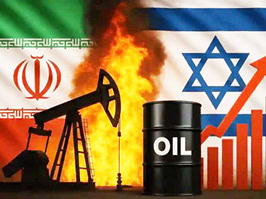
The Strait of Hormuz, a critical maritime chokepoint through which a significant portion of global oil and gas passes, has become a focal point of international tension due to the ongoing conflict involving Iran, the United States, and Israel. In this volatile environment, India has successfully navigated its critical energy supply lines, with two Indian-flagged LPG carriers, the Shivalik and Nanda Devi, safely transiting the strait on March 14, 2026. This achievement is a testament to India's multi-pronged approach, combining robust diplomatic engagement with strategic naval presence.
The successful passage of these vessels was facilitated by direct communication and assurances from Iran. Iran's Ambassador to India, Mohammad Fathali, confirmed that Tehran would provide safe passage to Indian-bound ships, emphasizing the historical friendship and shared interests between the two nations. This diplomatic breakthrough followed high-level talks between Indian Prime Minister Narendra Modi and Iranian President Masoud Pezeshkian, as well as discussions between External Affairs Minister S. Jaishankar and his Iranian counterpart, Seyed Abbas Araghchi. These conversations were crucial in securing Iran's commitment to allowing Indian vessels unhindered transit.
Complementing diplomatic efforts, the Indian Navy has been actively involved in ensuring the safety of Indian maritime interests through 'Operation Sankalp.' This operation involves deploying naval assets to monitor and escort Indian-bound cargo vessels, particularly in the sensitive waters of the Gulf of Oman and the Persian Gulf. The Indian Navy's presence acts as a deterrent and provides a crucial layer of security for merchant ships navigating the region. Reports indicate that Indian warships were in the vicinity and actively monitoring the LPG tankers during their passage.
The broader international response to the Strait of Hormuz crisis includes the United States' initiative to form a multinational coalition to ensure maritime security. US Treasury Secretary Scott Bessent affirmed that the US Navy would coordinate with allied nations to restore the flow of goods and energy through the strait. This initiative aims to address the significant disruptions to global shipping and energy transportation caused by the conflict. However, India's approach appears to be focused on securing its own interests through direct engagement and its own naval capabilities rather than becoming an active participant in a US-led coalition for this specific operation.
The situation highlights the critical importance of the Strait of Hormuz for India's energy security. Approximately 60-70% of India's oil imports and a substantial amount of its Liquefied Petroleum Gas (LPG) pass through this vital corridor. Any disruption to this route can have significant repercussions on India's economy, leading to increased fuel prices and potential shortages. The Indian government has been closely monitoring the situation, with dozens of Indian-flagged vessels and hundreds of Indian seafarers operating in the Gulf region. India's proactive measures, including diplomatic outreach and naval deployments, aim to safeguard these interests and ensure the continuity of its energy supplies.
While India has secured safe passage for its vessels, the overall situation in the Strait of Hormuz remains tense. The conflict has led to significant disruptions in global shipping, with many insurers withdrawing coverage for vessels in the region and war risk premiums soaring. The effective closure of the strait for non-allied vessels has resulted in a backlog of ships and a considerable impact on global oil prices. The geopolitical maneuvering and the scramble for securing this vital trade route underscore its paramount importance to the global economy and the ongoing efforts to maintain stability in a highly volatile region.
Frequently Asked Questions
Why is the Strait of Hormuz so important for India?
The Strait of Hormuz is crucial for India's energy security as approximately 60-70% of its oil imports and a significant portion of its LPG imports pass through this vital maritime chokepoint.
What role did Iran play in the safe passage of Indian ships?
Iran granted special passage to Indian LPG carriers through the Strait of Hormuz following diplomatic discussions, emphasizing the friendly relations between the two countries.
What is India's stance on multinational coalitions for Strait of Hormuz security?
While the US is forming a multinational coalition, India's immediate response has focused on bilateral diplomatic engagement with Iran and utilizing its own naval capabilities under 'Operation Sankalp' to ensure the safety of its vessels.
What is Operation Sankalp?
Operation Sankalp is an Indian Navy initiative aimed at ensuring the safety of Indian merchant shipping and maintaining a presence in the Gulf of Oman and the Persian Gulf to monitor sea lanes and assist commercial shipping when required.
What is the current geopolitical situation surrounding the Strait of Hormuz?
The Strait of Hormuz is currently a flashpoint due to an escalating conflict involving Iran, the United States, and Israel, leading to disruptions in global shipping and increased geopolitical tensions in West Asia.