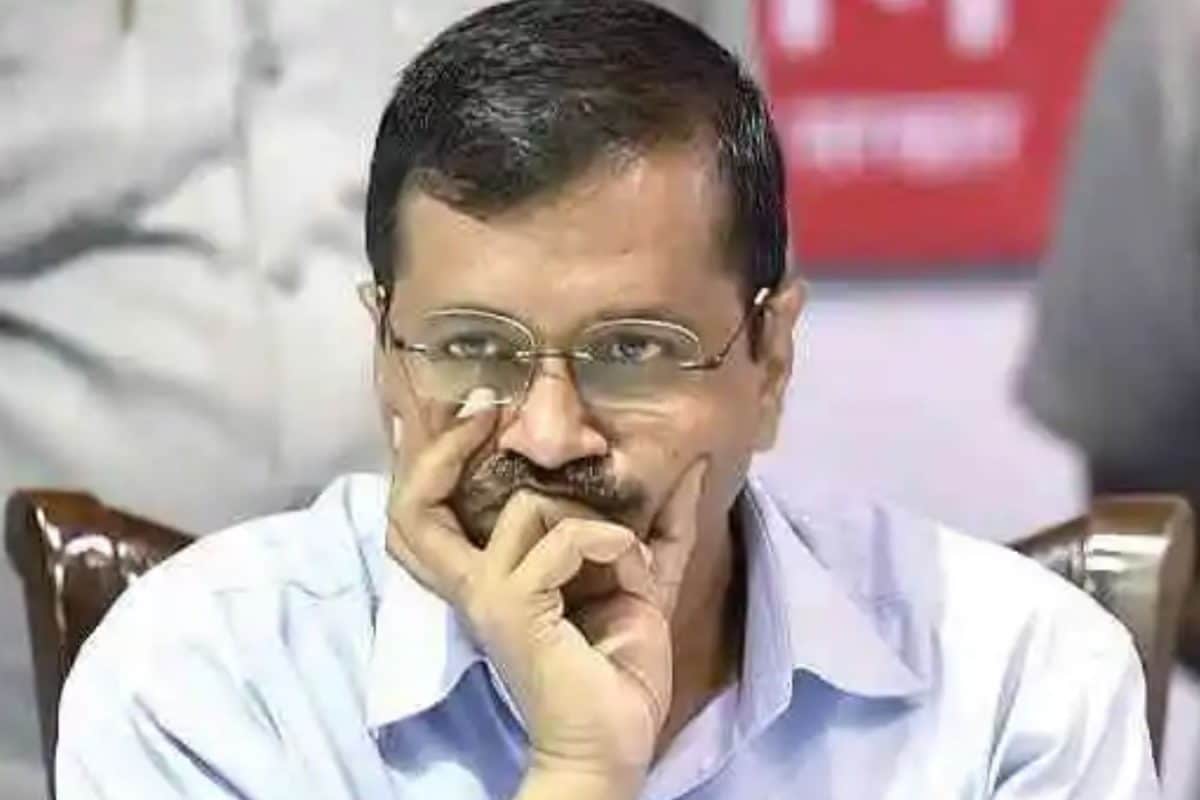
Delhi HC: Justice Sharma Rejects Kejriwal's Recusal Plea, Upholds Judicial Integrity
The Delhi High Court's Justice Swarana Kanta Sharma rejected Arvind Kejriwal's recusal plea in the excise policy case on April 20, 2026. She emphasized that a politician cannot judge judicial competence and that the judiciary must uphold its independence against unfounded allegations of bias. The ruling reinforces the sanctity of judicial process.
Key Highlights
- Justice Swarana Kanta Sharma rejected Kejriwal's recusal plea.
- Court upheld judicial independence against political pressure.
- Kejriwal cited bias due to judge's prior orders, RSS events, children's roles.
- Judge dismissed allegations as unsubstantiated 'perceptions', not 'proof'.
- Recusal would set a 'troubling precedent' and undermine the judiciary.
- The decision came in the ongoing Delhi liquor policy case.
On Monday, April 20, 2026, Justice Swarana Kanta Sharma of the Delhi High Court emphatically rejected the recusal plea filed by former Delhi Chief Minister Arvind Kejriwal in connection with the Delhi excise policy case. The significant ruling underscored the principle of judicial independence, with Justice Sharma asserting that a politician cannot be permitted to judge the competence of the judiciary.
Kejriwal and other co-accused, including Manish Sisodia, had sought Justice Sharma's recusal from hearing the Central Bureau of Investigation (CBI)'s plea challenging their discharge in the liquor policy case. Their grounds for seeking recusal were primarily based on a 'reasonable apprehension of bias'. Kejriwal's arguments included claims that Justice Sharma had issued prior adverse orders in related matters, including denying him and other accused bail. He also raised concerns about her attendance at events organized by the Akhil Bharatiya Adhivakta Parishad, an organization reportedly linked to the RSS, and alleged a 'direct conflict of interest' due to her children being empanelled as Central government counsel.
Justice Sharma delivered a detailed, 90-minute verdict, firmly dismissing all allegations. She stated that 'impartiality is a presumption in favour of a judge' and that this presumption must be rebutted by tangible material, not mere apprehension or personal perception. She clarified that her attendance at Adhivakta Parishad events was for professional discussions on legal issues, not political gatherings, and that many judges have participated in similar programs without insinuating political bias.
Regarding the contention about her children's professional roles, Justice Sharma highlighted that a litigant cannot dictate the life choices of a judge's family. She emphasized that her children's empanelment as government counsel had no direct connection to the ongoing dispute, and no nexus was shown to suggest that her decisions would be influenced by this. She further questioned the fairness of questioning judges' children for pursuing legal careers when politicians' children often enter politics.
The judge strongly criticized the attempt to create a 'media-driven narrative' and put the judiciary on trial based on 'unfounded suspicions, conjectures and manufactured allegations.' She warned that accepting such a recusal plea would set a 'troubling precedent,' opening 'floodgates' for litigants to engage in 'forum shopping' and undermine the credibility and independence of the judicial institution. Justice Sharma described the situation as a 'Catch-22' for her and a 'win-win' for Kejriwal, where any outcome could be twisted to suit his narrative.
Her judgment asserted that a judge 'cannot abdicate judicial responsibility in the face of allegations' and that 'personal attacks on a judge are attacks on the institution itself.' She reiterated her commitment to hearing the case, stating, 'I will not recuse. I will hear the case.' The ruling reinforces that judicial integrity cannot be compromised by perceived inclinations or unsubstantiated claims, and that courts must decide cases based on evidence, not social media campaigns or political statements.
This decision is critical in the ongoing legal battle surrounding the Delhi excise policy case, reaffirming the judiciary's resolve to remain impartial and resist pressure from high-profile litigants. It sends a clear message about maintaining the sanctity and independence of the judicial process in India.
Frequently Asked Questions
What was Arvind Kejriwal's recusal plea about?
Arvind Kejriwal sought the recusal of Justice Swarana Kanta Sharma from hearing a CBI petition in the Delhi excise policy case. He alleged apprehension of bias based on the judge's previous adverse orders, her attendance at RSS-linked events, and her children being empanelled as central government counsel.
What was Justice Swarana Kanta Sharma's reasoning for rejecting the plea?
Justice Sharma rejected the plea, stating that a litigant cannot be allowed to judge a judge's competence and that judicial impartiality is presumed unless tangible proof of bias is presented. She asserted that recusal based on unsubstantiated allegations would undermine judicial independence and set a dangerous precedent.
What were the key statements made by Justice Swarana Kanta Sharma?
Justice Sharma stated, 'A politician cannot be permitted to cross the boundary and cannot judge judicial competence.' She also noted that 'judicial integrity cannot be put to trial by a litigant' and that 'a courtroom cannot be a theatre of perception.'
What is the significance of this High Court ruling?
The ruling is significant as it strongly upholds the independence and integrity of the Indian judiciary against attempts by high-profile political figures to question the impartiality of judges without concrete evidence. It reinforces the principle that judicial decisions must be based on law and evidence, not on a litigant's subjective perceptions or political narratives.
When was the judgment delivered?
The Delhi High Court delivered its judgment, rejecting Arvind Kejriwal's recusal plea, on Monday, April 20, 2026.