Qatar confirms US-Iran talks in Switzerland amid tensions
Qatar has confirmed the commencement of high-stakes talks between the United States and Iran in Switzerland, aimed at securing a comprehensive and lasting agreement. The discussions, also involving mediators from Pakistan and Qatar, focus on de-escalating regional tensions, Iran's nuclear program, and a ceasefire in Lebanon. However, the talks are occurring amidst significant friction, including threats from U.S. President Donald Trump and Iran's reimposition of a blockade on the Strait of Hormuz.
Key Highlights
- Qatar confirmed US-Iran talks in Switzerland.
- Mediators from Pakistan and Qatar are facilitating the discussions.
- Tensions remain high due to threats and a Hormuz Strait blockade.
- Discussions focus on nuclear program and Lebanon ceasefire.
- India views the deal's success as vital for its economy.
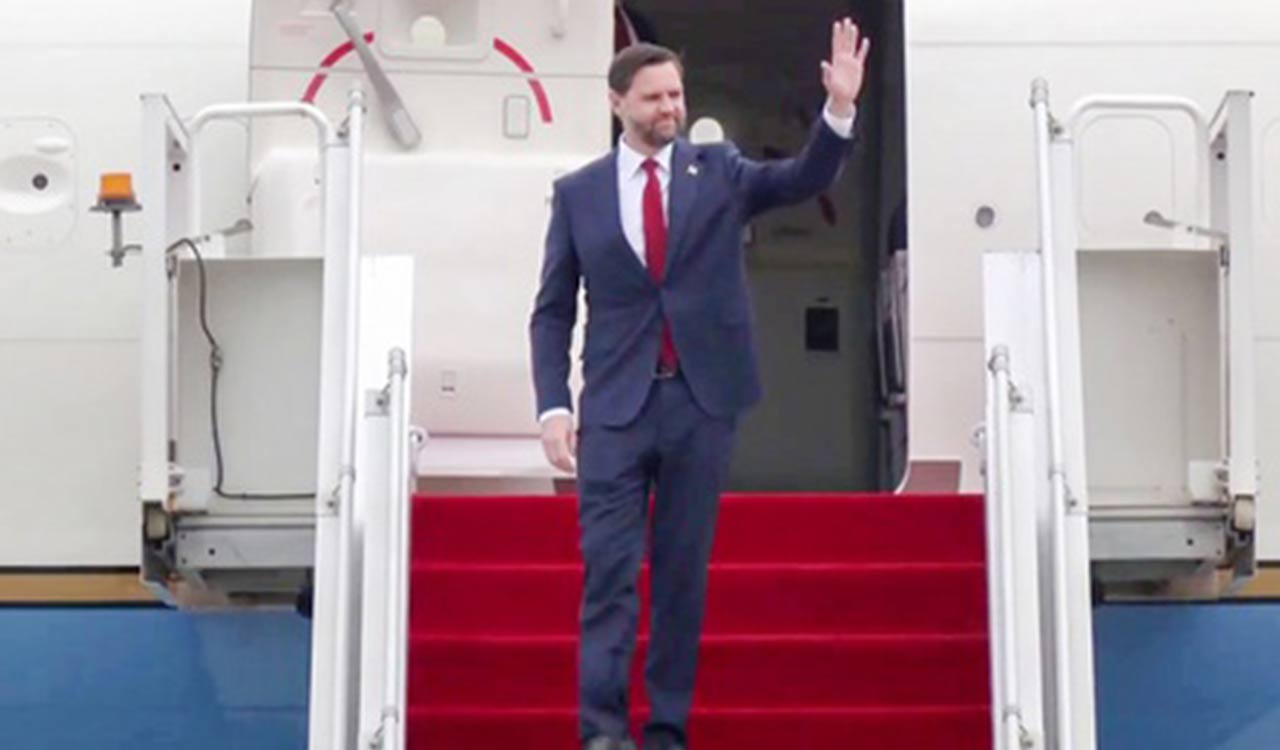
Qatar has officially confirmed the launch of high-stakes talks between the United States and Iran in Switzerland, a development that could significantly reshape regional stability and global economics. The discussions, held at the Bürgenstock resort, are facilitated by mediators from Pakistan and Qatar, with the primary objective of solidifying a comprehensive and lasting agreement between the two nations. The talks are crucial for addressing several critical issues, including Iran's nuclear program, the ongoing conflict in Lebanon, and the broader de-escalation of tensions in the Middle East. The United States delegation is led by Vice President JD Vance, alongside special envoy Steve Witkoff and presidential adviser Jared Kushner. Iran's delegation is headed by Parliament Speaker Mohammad Bagher Ghalibaf and includes Foreign Minister Abbas Araghchi, signaling the importance Tehran places on these negotiations. The backdrop to these talks is far from calm. U.S. President Donald Trump has issued stern warnings to Iran, threatening further military action if Tehran does not curb the activities of its proxies in Lebanon. This aggressive stance, communicated through social media, has added a layer of significant tension to the diplomatic efforts. In response to continued Israeli strikes in Lebanon, Iran has reimposed a blockade on the Strait of Hormuz, a vital chokepoint for global oil and gas shipments. This move not only heightens regional anxieties but also directly impacts global economic stability. The Iranian military's declaration of the strait's closure, despite conflicting reports from the U.S. military about vessel passage, underscores the volatile nature of the current situation. The Memorandum of Understanding (MoU) signed earlier between the U.S. and Iran, which aims to end a four-month war, has been strained by these developments. Iran views the continued Israeli attacks as a violation of this agreement. The talks are set to continue for a 60-day period, with the possibility of extension, focusing on detailed provisions of a final deal. Key agenda items include the future of Iran's nuclear program, the lifting of sanctions, and the release of frozen Iranian assets, estimated to be worth billions of dollars. The success of these negotiations is of particular importance to India, which relies heavily on the region for its energy needs. The conflict had previously disrupted energy supplies, led to price hikes, and caused economic instability for India. New Delhi has welcomed the interim peace deal and is keenly watching the ongoing talks, hoping for a sustainable agreement that can ensure unimpeded commerce and stabilize the global economy. The Indian Prime Minister had previously noted the "serious economic disruption across the world" caused by the conflict. For India, a stable West Asia is not just about cheaper oil; it's about insulating its economy from geopolitical volatility and ensuring the safety of its vast expatriate population in the Gulf region. The lessons learned from this conflict are strategic, emphasizing India's need to engage with global powers as an equal partner and to diversify its energy sources. The negotiations themselves are complex, marked by a history of distrust and competing interests. The involvement of Pakistan and Qatar as mediators highlights the delicate diplomatic dance required to bridge the gaps between the U.S. and Iran. Despite the hurdles, both sides appear motivated to avoid a complete collapse of the peace process, driven by the immense economic and political costs of the prolonged conflict. The outcome of these talks will have far-reaching implications, not only for the immediate parties involved but for the global geopolitical and economic landscape.
Frequently Asked Questions
What is the main purpose of the US-Iran talks in Switzerland?
The main purpose of the US-Iran talks in Switzerland is to secure a comprehensive and lasting agreement to de-escalate regional tensions, address Iran's nuclear program, and achieve a ceasefire in Lebanon.
Who are the key mediators in the US-Iran talks?
The key mediators in the US-Iran talks are Qatar and Pakistan.
What are the major points of tension surrounding these talks?
Major points of tension include threats from US President Donald Trump, Iran's reimposition of a blockade on the Strait of Hormuz, and continued Israeli strikes in Lebanon, which Iran views as a violation of the interim agreement.
How might the outcome of these talks affect India?
India, which relies heavily on West Asia for energy, stands to benefit from a stable agreement. The talks could lead to the reopening of the Strait of Hormuz, lower oil prices, and improved economic stability for India. It also impacts the safety of the large Indian diaspora in the region.
What is the significance of the Strait of Hormuz in this context?
The Strait of Hormuz is a vital chokepoint for global oil and gas shipments. Its closure or potential disruption, as threatened by Iran, has significant implications for global energy security and economic stability.