Qatar Halts LNG Output After Iranian Drone Attacks; European Gas Prices Surge
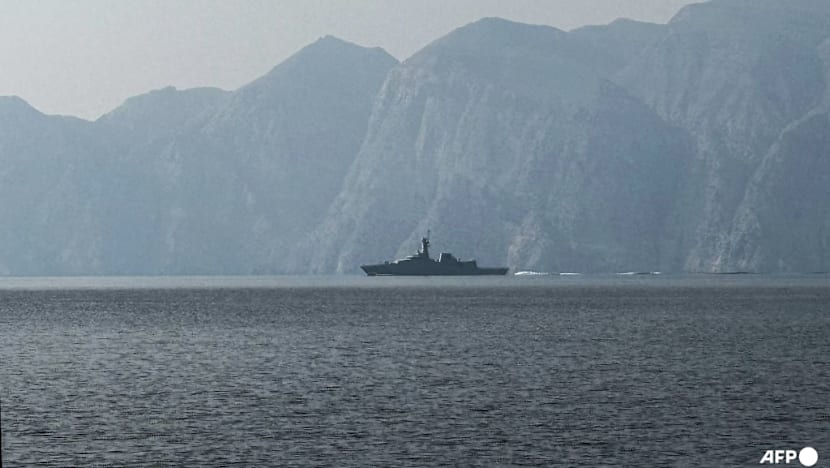
European gas prices have seen a significant surge, with the Dutch TTF contract jumping nearly 45%, following QatarEnergy's announcement of a halt in LNG production. The disruption stems from drone attacks attributed to Iran, which targeted energy facilities in Ras Laffan and Mesaieed Industrial City. This event highlights the vulnerability of global energy supply chains to geopolitical instability.
Key Highlights
- QatarEnergy suspended LNG production due to Iranian drone attacks.
- European gas prices surged by approximately 45% following the announcement.
- The attacks targeted energy facilities in Ras Laffan and Mesaieed Industrial City.
- Qatar is a major global LNG exporter, impacting supply chains.
- The incident underscores geopolitical risks to energy markets.
- No casualties were reported in the drone attacks.
European natural gas prices experienced a dramatic increase, with the Dutch TTF benchmark contract surging by approximately 45% to over €46 per megawatt hour. This sharp rise was directly triggered by QatarEnergy's decision to halt its liquefied natural gas (LNG) production and associated operations. The suspension was a precautionary measure taken after drone attacks, attributed to Iran by Qatar's Ministry of Defence, targeted key energy infrastructure in the Gulf state. Specifically, the attacks hit an energy facility in Ras Laffan Industrial City and a water tank at a power plant in Mesaieed Industrial City. Fortunately, no casualties were reported in these incidents.
QatarEnergy, a significant player in the global energy market, is one of the world's largest LNG exporters, responsible for approximately 20% of the global LNG supply. Its production facilities, particularly the extensive LNG export terminal at Ras Laffan, which is the world's largest with a capacity of 77 million tonnes per year, are crucial for maintaining stable energy flows to both Asia and Europe. The precautionary shutdown of these facilities has sent ripples through international energy markets, creating immediate concerns about prompt supply availability, especially if any disruption to vessel movements through the Strait of Hormuz were to occur.
The attacks and subsequent production halt are part of a broader escalation of geopolitical tensions in the Middle East. The drone strikes followed the killing of Iran's Supreme Leader in prior US-Israeli attacks, leading to retaliatory actions by Iran against US allies in the Gulf region. This interconnectedness of events highlights the fragility of global energy security in the face of regional conflicts. The situation has also prompted precautionary shutdowns of other energy facilities in the region, including Saudi Arabia's Ras Tanura refinery, one of the largest in the Middle East, which was forced to halt some operations after a drone strike. Offshore Israel, the Leviathan gas field also experienced a temporary shutdown.
Analysts and market experts have warned of the significant implications of a prolonged outage in Qatar. Goldman Sachs projected that a one-month closure of the Strait of Hormuz could push European gas prices towards €74 per megawatt hour, with a disruption exceeding two months potentially sending prices above €100 per megawatt hour. This underscores the critical role Qatar plays in balancing global LNG market needs and the immediate economic impact of supply disruptions.
For India, while not directly importing LNG from Qatar in the immediate aftermath of this specific event, the global price surge and increased volatility in energy markets can have indirect effects. India relies on global energy markets for its LNG imports, and any significant increase in international prices due to such geopolitical events can lead to higher import costs. This, in turn, can impact domestic fuel prices, industrial production costs, and the overall inflation scenario in the country. Given India's growing energy demand, securing stable and affordable energy supplies is a key economic priority, making global energy market disruptions a matter of significant concern. The interconnectedness of global energy markets means that events in one major exporting region can influence prices and availability worldwide, affecting even countries that do not have direct trade ties with the involved parties.
The news was published on March 2, 2026, across multiple reputable international news outlets, including Argus Media, Bloomberg, Financial Times, Forbes, and Al Jazeera, confirming the core facts of the event. The Moneycontrol.com article accurately reflects the reported events, though the headline's claim of a 45% jump is consistent with reported market reactions.
Frequently Asked Questions
Why has Qatar halted its LNG production?
QatarEnergy announced a halt in its liquefied natural gas (LNG) production as a precautionary measure following drone attacks attributed to Iran on its energy facilities in Ras Laffan and Mesaieed Industrial City.
What impact has this had on European gas prices?
European gas prices have surged significantly, with the Dutch TTF benchmark contract jumping by approximately 45% immediately after the news of Qatar's production halt.
What is the significance of Qatar in the global LNG market?
Qatar is one of the world's largest LNG exporters, responsible for about 20% of the global supply. Its production facilities, especially the large terminal at Ras Laffan, are critical for maintaining stable energy flows to Asia and Europe.