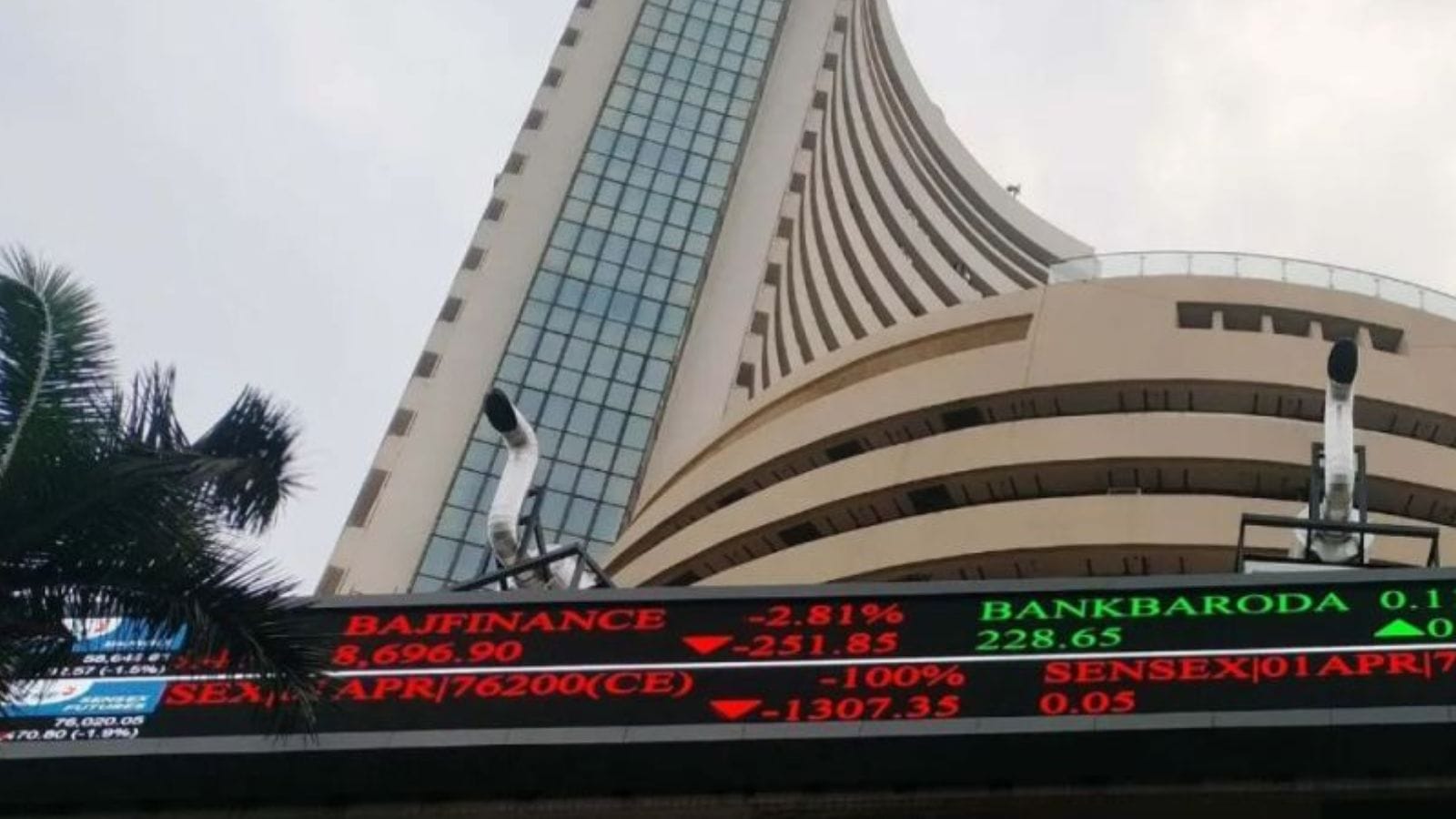
BSE 500 stocks plunge 83% amid Iran-Israel war; 101 stocks down 35%
Amidst the Iran-Israel conflict, 83% of BSE 500 stocks have experienced losses, with 101 stocks declining by up to 35%. The geopolitical tensions have led to a broad sell-off in Indian equities, exacerbated by rising energy prices and a weakening rupee. This has resulted in significant erosion of investor wealth.
Key Highlights
- 83% of BSE 500 stocks suffered losses due to the Iran-Israel conflict.
- 101 stocks within the BSE 500 index saw double-digit declines, up to 35%.
- Rising crude oil prices and a weakening rupee have intensified market downturn.
- Geopolitical tensions in the Middle East caused a broad sell-off across Indian equities.
- Significant investor wealth has been eroded due to the market slump.
The escalating Iran-Israel conflict has triggered a significant downturn in the Indian stock market, with a staggering 83% of stocks within the BSE 500 index experiencing losses. This broad-based sell-off, which began around February 28, 2026, has seen 413 out of 500 companies trading in the red. Furthermore, a substantial 20% of these stocks, totaling 101 scrips, have plunged by double digits, with some declines reaching as high as 35%.
The repercussions of the geopolitical turmoil have been amplified by several compounding factors. Rising crude oil prices, a direct consequence of the conflict in the Middle East, have put considerable pressure on the economy. Brent crude prices, for instance, surged to approximately $116 a barrel before correcting slightly, marking a significant increase from pre-conflict levels. This spike in oil prices directly impacts India, a nation heavily reliant on energy imports, leading to concerns about inflation and a widening import bill. The Indian rupee has also depreciated against the US dollar, hitting a record low and further exacerbating the economic pressures.
Beyond the direct impact of energy prices and currency fluctuations, global uncertainty stemming from the conflict has reduced investor risk appetite. This has led to foreign portfolio investment outflows from Indian equities, with approximately ₹52,704 crore (about $5.7 billion) withdrawn in the first half of March 2026 alone. Such capital outflows tend to amplify market volatility. The widespread selling pressure has affected various sectors, including financial stocks, automobiles, infrastructure, and aviation companies.
Specific companies have also faced significant drops. For example, HDFC Bank saw its stock price plummet by 5.3%, attributed in part to the resignation of its part-time Chairman. Other notable decliners mentioned include Maruti Suzuki, Eicher Motors, UltraTech Cement, State Bank of India, Max Healthcare Institute, and Bajaj Finance, with some experiencing double-digit losses.
The crisis has not only impacted India but has also led to broad declines in global markets, with European stocks also registering losses. The disruption of key shipping routes, such as the Strait of Hormuz, has further fueled concerns about global trade and supply chain stability.
In summary, the Iran-Israel conflict has had a profound negative impact on the Indian stock market, leading to widespread losses across BSE 500 companies, significant erosion of investor wealth, and increased economic headwinds for India due to rising oil prices and a weakening rupee.
Frequently Asked Questions
What is the main reason for the significant decline in BSE 500 stocks?
The primary reason for the decline is the escalating conflict between Iran and Israel, which has created widespread uncertainty in global financial markets, leading to a broad sell-off in equities. This is compounded by rising crude oil prices and a weakening Indian rupee.
How many BSE 500 stocks have been affected by the market downturn?
A significant 83% of BSE 500 stocks have experienced losses, with 101 stocks seeing declines of up to 35%.
What is the impact of the Iran-Israel conflict on India's economy?
The conflict directly impacts India through rising crude oil prices, which affects inflation, fuel costs, and the import bill. The weakening rupee further exacerbates these economic pressures. Additionally, disruptions in global trade routes and potential impacts on Indian expatriates in the Middle East are concerns.
Have foreign investors reacted to the geopolitical tensions?
Yes, foreign investors have withdrawn substantial amounts from Indian equities, pulling out approximately ₹52,704 crore in the first half of March 2026, which has amplified market volatility.