PM Modi Launches Nationwide HPV Vaccination Drive for 14-Year-Old Girls
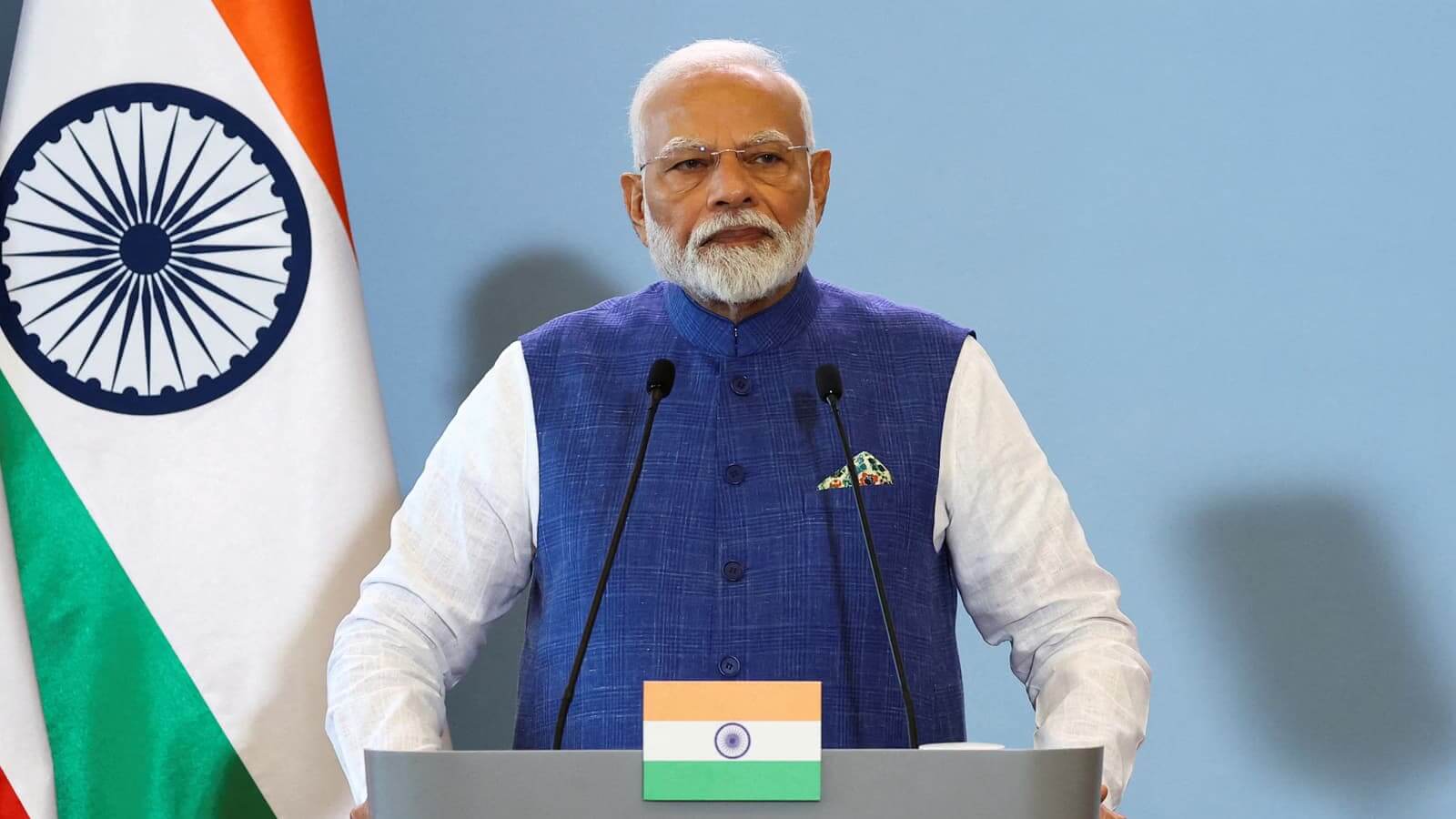
Prime Minister Narendra Modi launched India's nationwide HPV vaccination program for 14-year-old girls from Ajmer, Rajasthan, on February 28, 2026. This significant public health initiative aims to combat cervical cancer by providing free, single-dose Gardasil vaccines at government facilities across the country.
Key Highlights
- PM Modi launched the nationwide HPV vaccination drive on February 28, 2026.
- The drive targets 14-year-old girls, offering free single-dose Gardasil vaccine.
- Vaccinations will be available at government health facilities across India.
- The initiative aims to significantly reduce cervical cancer burden in India.
- Parental consent is mandatory, and the program will use the U-Win digital platform.
- India joins over 160 countries with HPV vaccination in their immunization schedules.
Prime Minister Narendra Modi officially inaugurated India's ambitious nationwide Human Papillomavirus (HPV) vaccination campaign for 14-year-old girls on Saturday, February 28, 2026. The historic launch event took place in Ajmer, Rajasthan, marking a pivotal moment in the nation's public health efforts to prevent cervical cancer.
This crucial initiative aims to administer preventive cervical cancer vaccines to approximately 1.15 crore (11.5 million) girls aged 14 every year across all States and Union Territories. The program specifically targets girls in this age group as evidence suggests that vaccinating before potential exposure to HPV offers the strongest and most durable protection against high-risk HPV infection, which can lead to cervical cancer later in life. This age selection also aligns with global scientific recommendations and ensures immunity is developed well before the age when the risk of infection typically increases.
The vaccine chosen for this national program is Gardasil 4, a quadrivalent HPV vaccine manufactured by the US pharmaceutical major Merck. It provides protection against HPV types 16 and 18, which are responsible for the majority of cervical cancer cases, as well as types 6 and 11. Importantly, the government has adopted a single-dose regimen for this campaign, a strategy supported by the World Health Organization's (WHO) Strategic Advisory Group of Experts on Immunization, which has found single-dose HPV vaccines to offer durable protection, especially for younger age groups.
The vaccination will be provided free of cost to eligible girls at designated government health facilities nationwide. These facilities include Ayushman Arogya Mandirs (Primary Health Centres), Community Health Centres, Sub-District and District Hospitals, and Government Medical Colleges and Hospitals. The program emphasizes a voluntary approach, with mandatory written consent required from parents or guardians before the vaccine is administered. To streamline the process, an online booking system similar to the CoWIN platform used during the COVID-19 pandemic, known as U-Win, will be utilized for appointments.
This nationwide rollout marks a significant stride in India's fight against cervical cancer, which remains the second most common cancer among Indian women and a leading cause of cancer deaths. Annually, India accounts for nearly 80,000 cervical cancer cases and 40,000 deaths, representing almost 20% of the global burden. The government's initiative aligns with the WHO's global strategy to accelerate the elimination of cervical cancer by 2030, which includes targets for high vaccination coverage among girls before age 15. With this launch, India joins over 160 countries that have already integrated HPV vaccination into their national immunization schedules.
The Central government has ensured the supply of adequate vaccine doses through a transparent and globally supported procurement mechanism in partnership with GAVI, the Vaccine Alliance. Approximately 2.6 crore (26 million) doses are being supplied by GAVI for the campaign, with 1 crore (10 million) doses already in the country. While an indigenously developed vaccine, Cervavac by the Serum Institute of India, exists, Gardasil is being used for the initial national program due to its established efficacy in a single-dose regimen.
The program's implementation will involve a 90-day intensive campaign phase, followed by its integration into the routine immunization program at health and wellness centers. Trained medical officers will supervise all vaccination sessions, with systems in place to monitor recipients for any rare adverse reactions. This comprehensive approach underscores the government's commitment to strengthening women's health and advancing preventive healthcare across the nation, fostering a healthier future for millions of Indian girls.
Frequently Asked Questions
Who is eligible for the free HPV vaccination under this new program?
All girls aged 14 years across India are eligible to receive the free Human Papillomavirus (HPV) vaccine at designated government health facilities.
Which vaccine is being used in India's nationwide HPV vaccination drive?
The nationwide program will primarily use the Gardasil 4 vaccine, a quadrivalent HPV vaccine.
What is the primary goal of this HPV vaccination campaign?
The main objective of the campaign is to prevent cervical cancer, a significant health threat among women in India, by vaccinating adolescent girls before potential exposure to the virus.
Is parental consent required for the HPV vaccination?
Yes, the HPV vaccination is voluntary, and written consent from parents or guardians is mandatory before the vaccine can be administered to a 14-year-old girl.
How will individuals book appointments for the HPV vaccination?
Appointments for the HPV vaccination will be booked through the U-Win digital platform, a system similar to the CoWIN platform used during the COVID-19 pandemic.