Delhi-NCR: IMD Red Alert, Heavy Rains Cause Airport Waterlogging
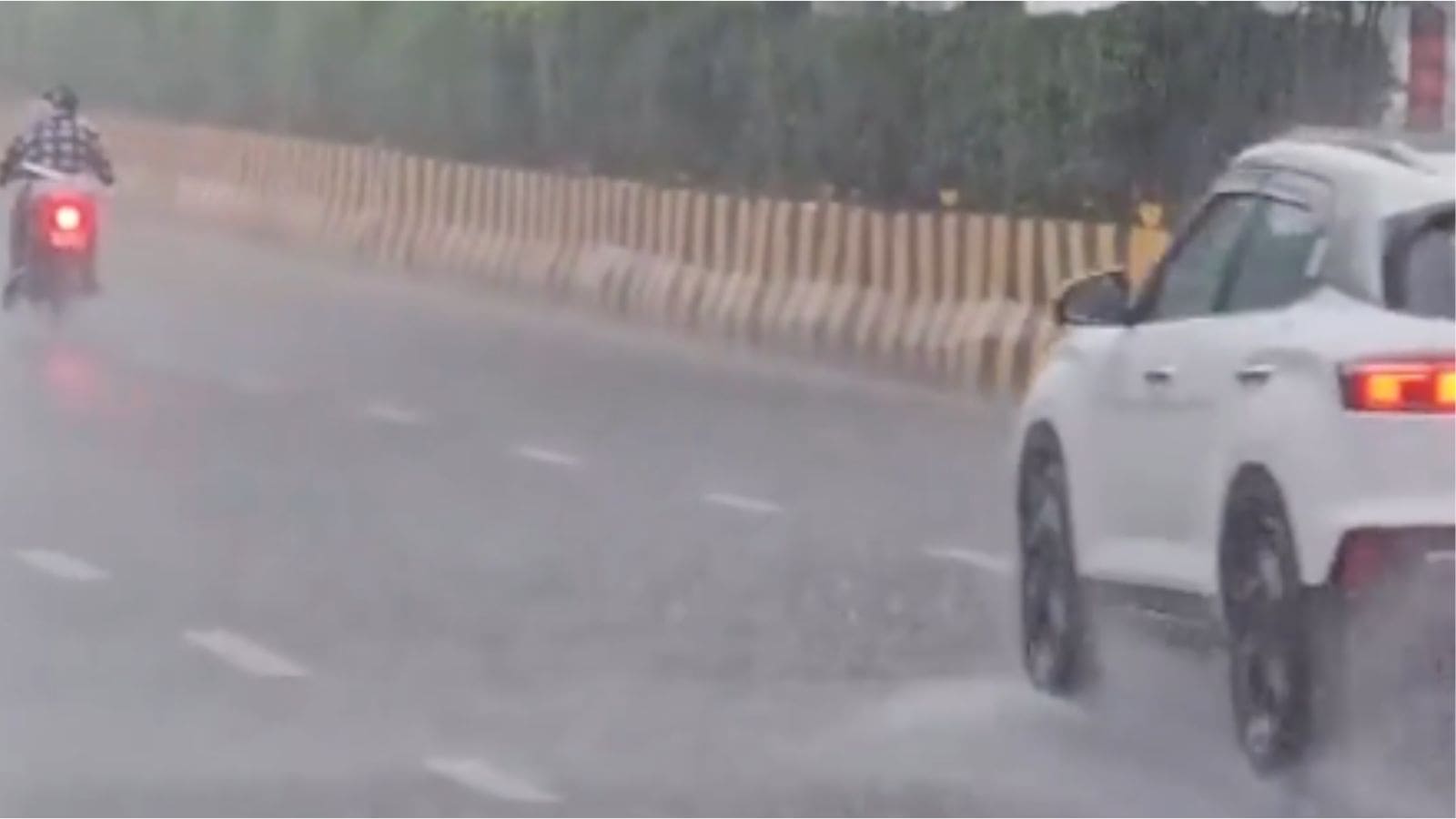
Heavy rainfall prompted the IMD to issue a red alert for Delhi and an orange warning for Noida and Ghaziabad on September 4, 2026. This led to widespread waterlogging, including at Delhi Airport, significantly impacting flight operations and daily commutes across the NCR.
Key Highlights
- IMD issued red alert for heavy rain in Delhi.
- Noida and Ghaziabad received orange warnings for downpour.
- Delhi's Indira Gandhi International Airport experienced severe waterlogging.
- Multiple flights were delayed and diverted due to bad weather.
- Widespread traffic disruptions and urban flooding reported in NCR.
- Rainfall part of intensified monsoon activity over North India.
On Friday, September 4, 2026, the India Meteorological Department (IMD) issued a red alert for Delhi, warning of heavy to very heavy rainfall and thunderstorms across the National Capital Region (NCR). This significant weather advisory followed an afternoon of continuous rain that prompted the IMD to escalate its initial yellow warning for the capital. Alongside Delhi, its adjoining cities in Uttar Pradesh, Noida and Ghaziabad, were placed under an orange warning, indicating a need for preparedness against moderate to heavy rainfall.
The heavy downpour led to widespread disruption, particularly affecting air travel and urban mobility in Delhi. Several flights arriving at Delhi's Indira Gandhi International Airport (IGIA) experienced delays, with domestic flights from cities like Ahmedabad, Mumbai, and Port Blair being impacted. IndiGo, a major Indian airline, issued a travel advisory cautioning passengers about the affected flight schedules due to adverse weather conditions in Delhi and advised them to check their flight status before heading to the airport, allowing for additional travel time given the challenging road conditions. Videos circulating on social media and reported by news outlets showed significant waterlogging at Terminal 3 of the Delhi Airport, with passengers seen wading through inundated areas to reach entry and arrival points, highlighting the immediate challenges posed by the intense rainfall.
The IMD's forecast for September 4 indicated a likelihood of light to moderate rainfall accompanied by thunderstorms and lightning across many parts of Delhi between 2:15 PM and 4:15 PM, with isolated areas expected to receive heavy precipitation. Further advisories predicted another spell of light to moderate rainfall, thunderstorms, and lightning across most parts of the city between 5 PM and 8 PM, with the possibility of heavy rain (50 mm to 100 mm) in isolated locations. This intense rain activity was expected to be accompanied by strong winds gusting up to 40-60 kmph.
The weather event for September 2026 was part of a broader spell of monsoon activity. Earlier in the week, specifically from September 2nd, the IMD had already issued warnings for heavy to very heavy rainfall for Haryana, Chandigarh, and Delhi, forecasting thunderstorms and lightning from September 2nd to 4th. The intensity was expected to increase on September 3rd and 4th, with widespread rainfall across these regions. This renewed monsoon activity was attributed to a well-marked low-pressure area situated over West Jharkhand and its adjoining regions, which was anticipated to move west-northwestwards across South Uttar Pradesh and North Madhya Pradesh. Concurrently, the monsoon trough, a critical driver of monsoon rainfall, was passing through Ferozpur, Delhi, and Lucknow, extending towards the Bay of Bengal, contributing to the persistent wet spell.
The impact of such heavy rainfall extends beyond immediate inconvenience. Waterlogging causes significant traffic congestion, halts daily commutes, and poses risks to infrastructure. Reports from various sources confirmed traffic snarls and disruptions across Delhi-NCR due to inundated roads. For an audience in India, especially in the NCR, these weather events are of critical importance due to their direct impact on daily life, public safety, and the economy. The monsoon season, while vital for India's agriculture, often brings with it challenges of urban flooding and disruptions.
In the days leading up to September 4, Delhi had experienced a wetter-than-normal August, with rainfall exceeding the IMD's long-period average for the month. Delhi recorded 354.1 mm of rainfall between August 1 and August 30, surpassing the normal 233.1 mm. This marked a trend of excess August rainfall in recent years, including 2025 and 2024. However, there were also earlier warnings from the IMD about a potential weakening of the monsoon in September, which could lead to below-normal rainfall for the country overall, raising concerns for agricultural output. This contrast highlights the unpredictable nature of monsoon patterns, with intense short spells juxtaposed against broader seasonal deficits.
The comprehensive coverage by multiple reputable news agencies such as Hindustan Times, The Hindu, India Today, The Times of India, NDTV, Times Now, Zee News, and NewsMobile corroborates the veracity of the claims. These outlets consistently reported on the IMD's alerts, the heavy rainfall, its impact on the airport and roads, and the warnings for NCR cities on or around September 4, 2026. The information presented is grounded in official IMD advisories and on-the-ground reporting of the consequences. Therefore, the article accurately reports on a significant weather event affecting the National Capital Region of India.
Frequently Asked Questions
Why did IMD issue a red alert for Delhi?
The IMD issued a red alert for Delhi due to forecasts of heavy to very heavy rainfall and thunderstorms, escalating from an earlier yellow warning, as intense monsoon activity impacted the region.
Which other NCR cities were affected by the rain alerts?
Noida and Ghaziabad, adjoining cities in Uttar Pradesh, were placed under an orange warning by the IMD, indicating a need for preparedness against moderate to heavy rainfall.
How did the heavy rain impact Delhi Airport?
Delhi's Indira Gandhi International Airport experienced significant waterlogging at Terminal 3, leading to delays and diversions of several domestic flights.
What kind of disruptions did Delhi-NCR experience due to the downpour?
The heavy downpour caused widespread waterlogging, significant traffic congestion, and disruptions in daily commutes across Delhi-NCR.