Delhi Shivers: Cold Wave, 2.9°C Temp, Poor AQI, and Dense Fog | Quick Digest
Delhi experienced an intense cold wave with temperatures plummeting to 2.9°C at Ayanagar, making it one of the coldest January mornings in recent years. The city also grappled with 'poor' air quality and dense fog, severely impacting daily life and visibility.
Ayanagar recorded Delhi's lowest temperature at 2.9°C on January 11, 2026.
Safdarjung observatory registered 3.2°C, lowest in three years for January.
Delhi's AQI remained in the 'poor' category, reaching 293 on January 12, 2026.
Dense fog blanketed parts of the city, affecting visibility and travel.
Cold wave conditions were widespread across Delhi and Northern India.
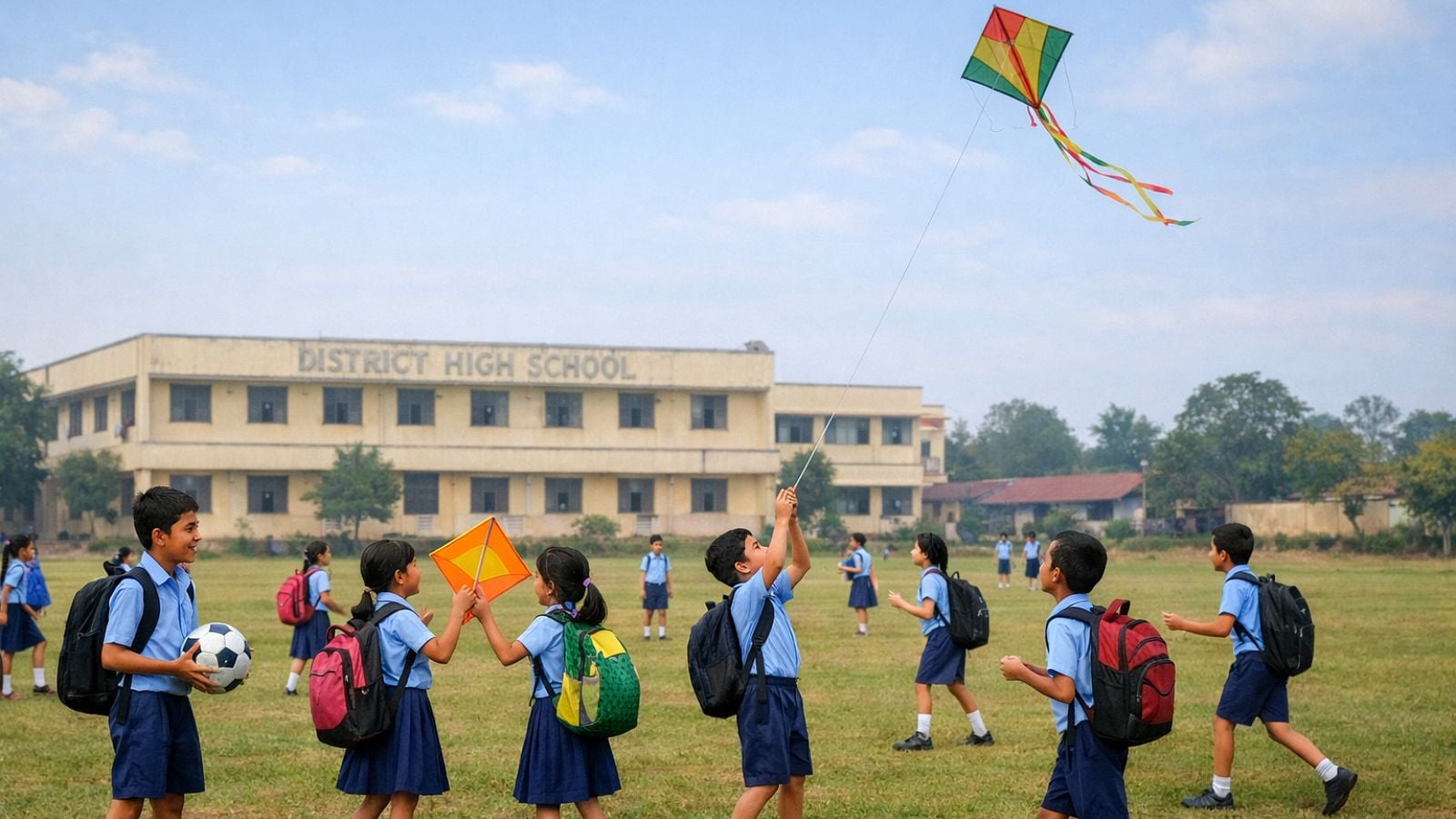
Schools up to class 8 extended holidays due to severe cold and pollution.
Delhi was gripped by an intense cold wave, with temperatures significantly dipping across the National Capital Region. The lowest minimum temperature recorded was 2.9°C at Ayanagar on Sunday night (January 11, 2026), marking a severe cold spell. Safdarjung, Delhi's primary weather observatory, recorded a minimum temperature of 3.2°C on January 12, 2026, making it the coldest January morning in three years for that station. Other areas like Palam and Lodhi Road also reported low temperatures around 3-4°C, significantly below the seasonal average. The India Meteorological Department (IMD) confirmed cold wave conditions prevailing across many stations in Delhi and issued orange and yellow alerts for the region, forecasting continued chill.
Accompanying the cold was persistent poor air quality. Delhi's overall Air Quality Index (AQI) was recorded at 293 in the 'poor' category as of 7 AM on Monday, January 12, 2026, according to the Central Pollution Control Board (CPCB). Several monitoring stations indicated 'very poor' air quality in the subsequent days, with some even reaching 'hazardous' levels, posing significant health concerns. Dense fog also blanketed various parts of the city during the early morning hours, reducing visibility and impacting transportation, including flight operations at Indira Gandhi International (IGI) Airport which proceeded under CAT III conditions. The severe weather prompted the Delhi government to extend winter holidays for schools up to Class 8 until January 15, 2026, prioritizing student safety from the intense cold and health risks associated with the pollution. This period saw North India experiencing a widespread and uncharacteristic cold blast, impacting daily life and public health.
Read the full story on Quick Digest