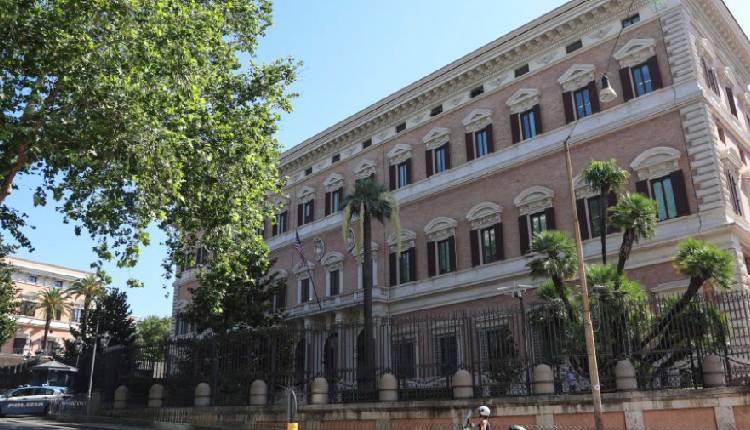
US, Israel & Lebanon Sign Historic Framework Deal to End Conflict
The United States, Israel, and Lebanon have signed a trilateral framework agreement, brokered by the US, aiming to end decades of conflict. The deal involves a phased Israeli withdrawal from Lebanon, contingent on the disarmament of Hezbollah, with the Lebanese Armed Forces taking over security in designated areas. This landmark agreement, signed after five rounds of talks, establishes a path toward lasting peace and security between the two nations.
Key Highlights
- Trilateral framework agreement signed by US, Israel, and Lebanon.
- Aims to end long-standing conflict and establish peaceful relations.
- Involves phased Israeli withdrawal from Lebanon.
- Contingent on disarmament of Hezbollah by Lebanese forces.
- Establishes a US-facilitated Military Coordination Group for implementation.
A historic trilateral framework agreement was signed on June 26, 2026, by the United States, Israel, and Lebanon, marking a significant step towards ending the long-standing conflict between Israel and Lebanon. This comprehensive deal, brokered by the U.S. administration, outlines a structured process for achieving lasting peace and security, involving a phased withdrawal of Israeli forces from Lebanon and the subsequent disarmament of Hezbollah by the Lebanese Armed Forces (LAF). The agreement is the culmination of five rounds of intensive U.S.-mediated negotiations.
The core of the framework agreement centers on establishing security arrangements that ensure the sovereignty and security of both Israel and Lebanon, paving the way for peaceful neighborly relations. As part of the deal, Israel commits to a phased, conditions-based reduction and eventual withdrawal of its forces from Lebanon. This withdrawal is synchronized with the deployment of LAF units and the verification of disarmament efforts.
A crucial component of the agreement is the disarmament of Hezbollah and the dismantling of its military infrastructure. The Lebanese Armed Forces will be responsible for this task, operating within designated 'pilot zones' in southern Lebanon. The agreement establishes a trilateral Military Coordination Group for Lebanon (MCG4L), facilitated by the United States, to oversee the implementation of these security measures and deconfliction between the two nations.
The framework agreement explicitly states the intent of Israel and Lebanon to conclusively end the conflict and formally conclude any state of war between them, addressing its underlying causes. This marks a departure from previous arrangements, which often focused on managing conflict rather than resolving it. The agreement emphasizes mutual recognition of each state's right to exist in peace and security.
The United States has pledged significant resources to support the implementation of this framework. This includes an immediate $100 million in humanitarian assistance, coordinated with the UN, and over $30 million to enhance the capability and capacity of the Lebanese Armed Forces. This support underscores the U.S. commitment to fostering stability and prosperity in the region.
The signing of the framework agreement is seen as a major diplomatic breakthrough, although significant challenges remain. Hezbollah has rejected the deal outright, vowing continued resistance, and some Lebanese factions have expressed conditional support or concerns about the implications for internal stability. Similarly, within Israel, while the government has backed the deal, some opposition groups have warned that the framework might not fully resolve the threat posed by Hezbollah.
This agreement is distinct from the maritime border dispute resolution between Israel and Lebanon, which was settled in October 2022. While that deal addressed economic resources in the Mediterranean Sea, the current framework agreement focuses on ending the broader conflict and addressing security concerns along the shared border.
The framework agreement envisions a future where Lebanon is rebuilt under full Lebanese state sovereignty, free from non-state armed groups that threaten regional security. It aims to create a verifiable path for Israel to remove the persistent threat on its northern border and provides Lebanon with a genuine pathway out of its prolonged crisis. The success of this ambitious framework will depend on the good-faith implementation by all parties and the ability to overcome internal and external opposition.
Subsequent talks, held in Rome on July 14, 2026, focused on the implementation of the framework agreement, particularly concerning the phased withdrawal of Israeli troops and the deployment of Lebanese forces in pilot zones. Despite continued hostilities and rejection of the deal by Hezbollah, efforts are underway to translate the framework into a lasting peace.
Frequently Asked Questions
What is the main objective of the Israel-Lebanon trilateral framework agreement?
The primary objective of the agreement is to end the long-standing conflict between Israel and Lebanon, ensure the sovereignty and security of both nations, and establish peaceful neighborly relations. It aims to achieve this through a phased Israeli withdrawal from Lebanon, contingent on the disarmament of Hezbollah by the Lebanese Armed Forces.
Who brokered the agreement between Israel and Lebanon?
The trilateral framework agreement was brokered by the United States, with significant involvement from U.S. diplomatic efforts and mediation over several rounds of talks.
What is Hezbollah's role in the agreement?
The agreement requires the disarmament of Hezbollah by the Lebanese Armed Forces as a key condition for Israel's withdrawal. Hezbollah has reportedly rejected the deal and vowed continued resistance, posing a significant challenge to its implementation.
What role does the United States play in the agreement?
The United States played a crucial role in mediating the negotiations and brokering the agreement. It also committed resources for humanitarian aid and to enhance the capabilities of the Lebanese Armed Forces, and will facilitate a trilateral Military Coordination Group to oversee implementation.
When was the framework agreement signed?
The trilateral framework agreement was signed on June 26, 2026, following five rounds of negotiations.