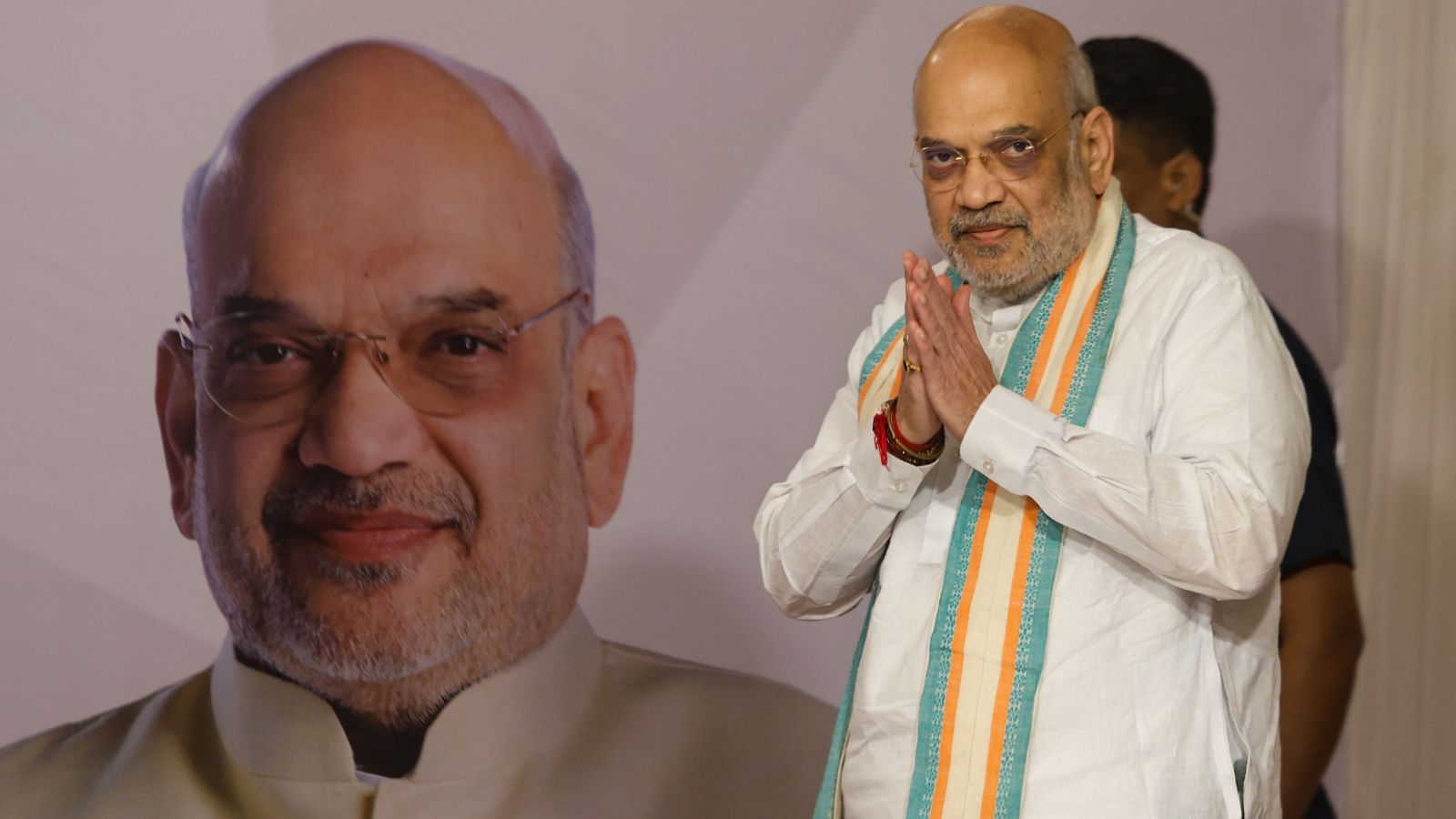
Assam Assembly Passes Uniform Civil Code Bill, Mandating Live-in Registration
The Assam Legislative Assembly passed the Uniform Civil Code (UCC) Bill, 2026, on May 27, 2026, making it the third Indian state to adopt such legislation. The Bill mandates compulsory registration of marriages, divorces, and live-in relationships, bans polygamy, and introduces gender-equal inheritance rights, with a complete exemption for Scheduled Tribes.
Key Highlights
- UCC Bill passed by Assam Assembly on May 27, 2026.
- Mandatory registration for marriages, divorces, and live-in relationships.
- Polygamy completely banned across all covered communities.
- Ensures gender-equal inheritance rights for Class-I heirs.
- Scheduled Tribes explicitly exempted from the Bill's provisions.
- Assam becomes third state after Uttarakhand and Gujarat with UCC.
The Assam Legislative Assembly, on May 27, 2026, passed 'The Uniform Civil Code (UCC) Bill, 2026', marking a significant legislative step by the Himanta Biswa Sarma-led government. This makes Assam the third state in India, following Uttarakhand and Gujarat, to adopt a state-level Uniform Civil Code framework. The Bill was tabled by Parliamentary Affairs Minister Atul Bora on behalf of Chief Minister Himanta Biswa Sarma on May 25, 2026, and subsequently passed by a voice vote, with support from the ruling Bharatiya Janata Party (BJP) and its allies, while opposition parties like Congress, Raijor Dal, and Trinamool Congress voiced their dissent and called for wider stakeholder consultation.
The comprehensive legislation aims to establish a common civil framework governing various personal matters including marriage, divorce, succession, and live-in relationships across all communities in Assam, with one crucial exception: Scheduled Tribes (STs) are completely exempted from its provisions, both in hill and plain areas. This exemption acknowledges the unique customary laws and traditions of tribal communities, who constitute 12.45% of Assam's population according to the 2011 Census.
One of the most impactful provisions of the Assam UCC Bill is the **complete ban on polygamy**. This criminalizes the practice of having more than one spouse, which was previously permitted under certain personal laws, making it a punishable offense. This move builds upon an earlier legislative effort; the 'Assam Prohibition of Polygamy Bill, 2025' was already passed on November 27, 2025, as an initial stride towards a uniform civil code in the state. Chief Minister Sarma has consistently highlighted that this measure is aimed at reinforcing marital accountability and protecting women's rights.
The Bill also mandates the **compulsory registration of all marriages and divorces**. Couples are now required to register their marriage details with the Sub-Registrar within 60 days of the ceremony. Non-compliance with this registration requirement can attract penalties, emphasizing the state's push towards a documented and uniform civil registry.
A particularly discussed aspect of the new legislation is the **mandatory registration of live-in relationships**. Couples in such relationships are required to register their union within one month of entering into it. Failure to comply with this provision can lead to imprisonment for up to three months, a fine of ₹10,000, or both. The Bill also stipulates that children born from registered live-in relationships will be considered legitimate, and deserted partners will gain legal standing to seek maintenance through courts. Furthermore, live-in relationships with already married partners are explicitly prohibited under this new framework. Registrars are also required to inform parents if either partner in a live-in relationship is under 21 years of age.
In terms of **inheritance and succession rights**, the UCC Bill introduces a gender-neutral order of succession among Class-I heirs, which includes the spouse, children, and parents. This ensures that all Class-I heirs receive equal rights in succession matters, irrespective of their religion or community, thereby promoting gender equality in property distribution. The legislation also standardizes the legal age for marriage at 21 years for men and 18 years for women, while importantly preserving cultural diversity by allowing marriage ceremonies to be conducted through existing customs such as Vedic Bibah, Nikah, and Anand Karaj.
The introduction of the UCC Bill was preceded by another significant move by the Assam government in February 2024, when it repealed the 'Assam Muslim Marriages and Divorces Registration Act, 1935'. This British-era Act, which allowed for registration of marriages of minors, was seen by the government as outdated and a hindrance to combating child marriage. Following its repeal, Muslim marriages in Assam are now expected to be registered under the Special Marriage Act, 1954, aligning with the broader objective of uniform personal laws. Chief Minister Sarma stated that the repeal was intended to end the "torture and exploitation" faced by Muslim women.
While the Bill has been passed by the Assam Assembly, it still requires the assent of the Governor and the President of India to officially become law. The legislation represents a significant legal and political reform initiative, poised to influence future policy debates across India, particularly concerning the balance between equality, gender justice, secularism, and the protection of diverse religious and customary practices under Article 44 of the Constitution.
Frequently Asked Questions
What is the primary objective of the Assam Uniform Civil Code (UCC) Bill, 2026?
The primary objective of the Assam UCC Bill, 2026, is to establish a common legal framework governing personal matters such as marriage, divorce, inheritance, and live-in relationships for all communities in the state, aiming to ensure gender equality and justice.
What are the key provisions related to live-in relationships in the Assam UCC Bill?
The Bill mandates compulsory registration of live-in relationships within one month. It stipulates that children born from such registered relationships are legitimate, and deserted partners can seek maintenance. Failure to register can lead to imprisonment or fines, and live-in relationships with married partners are prohibited.
Which communities are exempted from the Assam UCC Bill?
The Assam Uniform Civil Code Bill, 2026, completely exempts Scheduled Tribes (STs) in both hill and plain areas of the state from its provisions, respecting their customary laws and traditions.
What is the status of polygamy under the new Assam UCC Bill?
The Assam UCC Bill, 2026, enacts a complete ban on polygamy, making it a criminal offense for all communities covered by the legislation. This builds upon the previously passed 'Assam Prohibition of Polygamy Bill, 2025'.
When was the Assam UCC Bill passed and what is its next step?
The Assam UCC Bill, 2026, was passed by the Assam Legislative Assembly on May 27, 2026. For it to become a full-fledged law, it now requires the assent of the Governor of Assam and subsequently the President of India.