Iran establishes 'safe passage' corridor in Strait of Hormuz for a fee
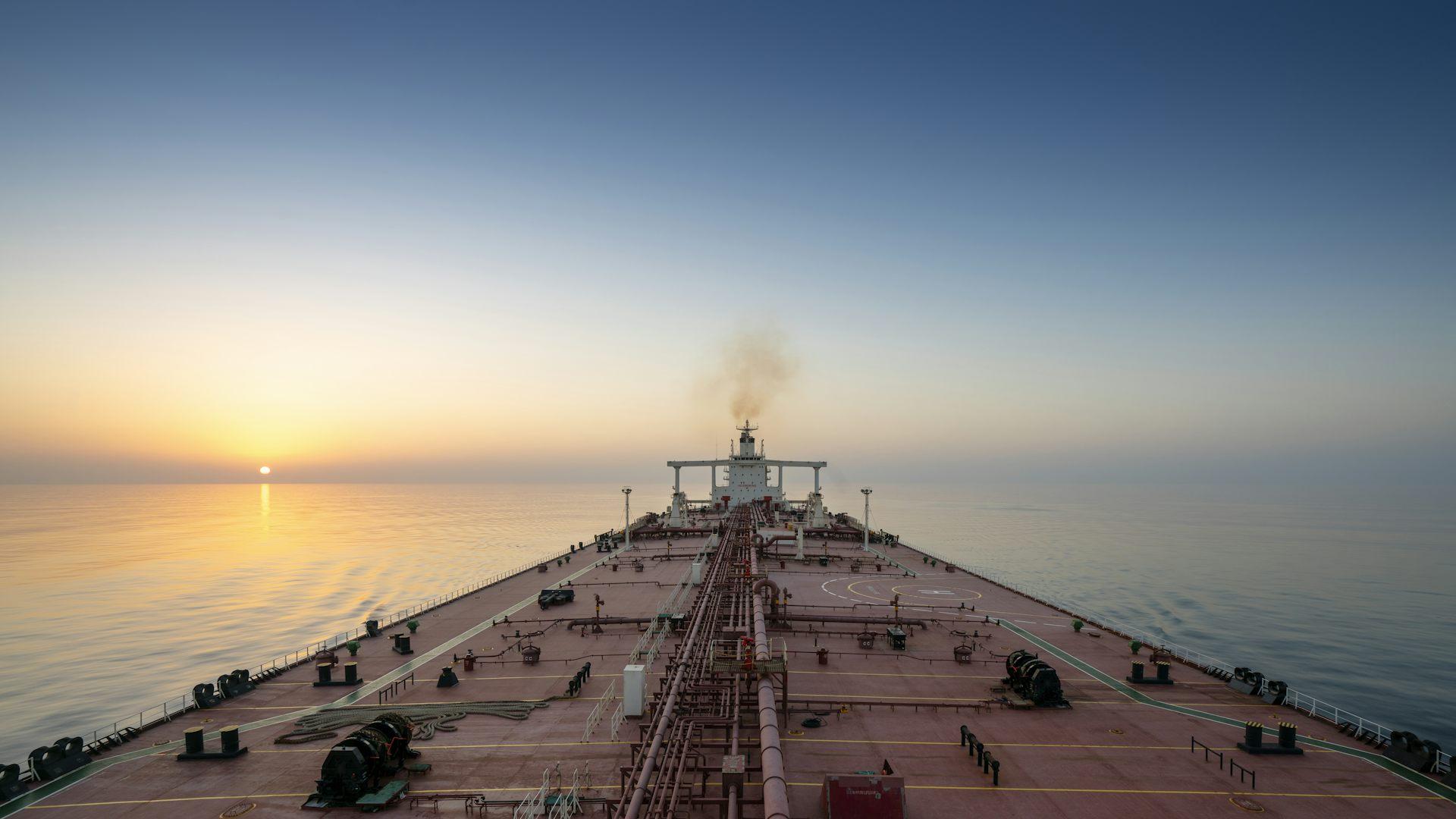
Iran has opened a 'safe shipping corridor' through its territorial waters in the Strait of Hormuz, allowing selected vessels passage after undergoing a vetting process and paying a fee. This initiative comes amid heightened regional tensions that have significantly disrupted global maritime traffic. Several countries, including India, are in discussions with Tehran for coordinated safe passage for their vessels.
Key Highlights
- Iran offers a controlled shipping corridor in the Strait of Hormuz.
- Vessels must undergo vetting and pay a fee for passage.
- Disruptions in the Strait have impacted global maritime traffic.
- India is in discussions with Iran for safe passage of its vessels.
- The initiative is managed by Iran's Islamic Revolutionary Guard Corps (IRGC).
Amidst escalating regional tensions that have severely impacted global maritime traffic, Iran has established a new 'safe shipping corridor' that allows select vessels to transit through the Strait of Hormuz via a route within its territorial waters. This corridor, operationalized by Iran's Islamic Revolutionary Guard Corps (IRGC), is not an open route but a controlled and selective one, requiring prior approval from Iranian authorities.
Under this new system, ships seeking passage must undergo a vetting process, which involves submitting extensive details about the vessel's ownership, cargo, and destination in advance, often through intermediaries. At least one tanker operator is reported to have paid approximately $2 million for secure passage. While the system is currently being managed on a case-by-case basis, a more formal and structured approval process is anticipated. Several countries, including India, Pakistan, Iraq, Malaysia, and China, are reportedly in discussions with Tehran to coordinate safe passage for their vessels.
The Strait of Hormuz is a critical global chokepoint, through which approximately 20% of global petroleum liquids consumption and about a quarter of global seaborne oil trade passes. The recent disruptions have led to a significant plunge in traffic, with some reports indicating a 95% decrease since the outbreak of the Israel-Iran war. This has had a ripple effect on global energy markets, causing oil prices to surge. The implications extend to other commodities like liquefied natural gas (LNG), with about 20% of global LNG trade also transiting the Strait, primarily from Qatar. Asian markets, including China, India, Japan, and South Korea, are particularly vulnerable, as they receive a substantial portion of these energy flows.
For India, the Strait of Hormuz is a vital transit route, with about half of its oil imports depending on this passage. Disruptions have led to a tightening of LPG supply, causing delays and rationing for commercial use, impacting millions of Indian households. In response to the crisis, India is exploring alternative routes, intensifying efforts to transport oil through pipelines in Saudi Arabia and the UAE, and considering increased imports from Russia, the US, and Norway. India has also been actively engaging in diplomatic talks with Iran to ensure the safe passage of its vessels.
Despite the offered 'safe passage,' experts express concerns about the corridor's reliability. They warn that clearance from Iranian authorities does not guarantee absolute protection, as different factions within the IRGC might still cause delays or seize vessels, leading to uncertainty for shipping companies. The geopolitical implications are also significant, with the potential for increased tensions. While the US has allowed limited transits to avoid disrupting global energy supply, its long-term support for such an arrangement remains uncertain. The situation highlights the vulnerability of critical maritime chokepoints to geopolitical tensions and the potential for shocks across global supply chains and commodity markets. The effectiveness and long-term viability of Iran's controlled corridor, especially concerning insurance, operating safety, and existing sanctions, are subjects of ongoing debate among maritime law experts.
Frequently Asked Questions
What is the new 'safe shipping corridor' established by Iran?
Iran has created a controlled passage through its territorial waters in the Strait of Hormuz. Vessels seeking to use this corridor must undergo a vetting process by Iran's Islamic Revolutionary Guard Corps (IRGC) and pay a fee for approved passage.
Why is the Strait of Hormuz so important?
The Strait of Hormuz is a critical global chokepoint, essential for the transit of a significant portion of the world's oil and liquefied natural gas (LNG) exports. Its strategic location makes it vital for global energy security and trade.
How has this corridor affected global trade and energy prices?
Disruptions and the establishment of this controlled corridor have led to increased tensions, with global energy prices surging. Maritime traffic has been significantly impacted, affecting global supply chains and raising concerns about energy security.
What is India's involvement in this situation?
India, being a major importer of oil and LPG that relies on the Strait of Hormuz, is actively engaged in discussions with Iran for safe passage of its vessels. India is also exploring alternative shipping routes and diversifying its energy sources.