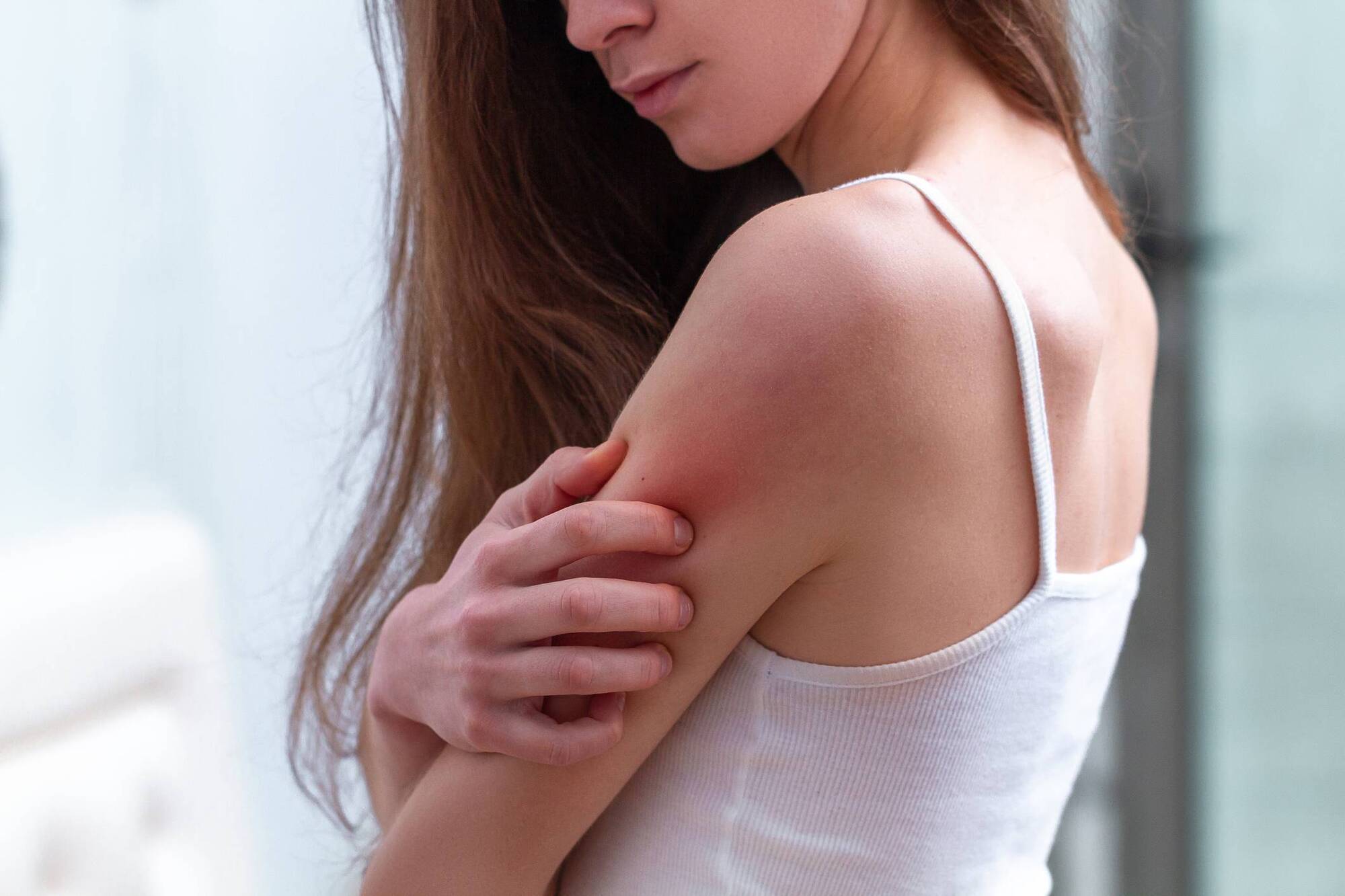
Silent Fatty Liver: Key Skin Signs & India's Growing Health Crisis
Fatty liver disease, often asymptomatic in early stages, is a growing health concern in India, affecting nearly 40% of the population. Specific skin changes like jaundice, persistent itching, spider veins, red palms, pigmentation, and cholesterol deposits can signal advanced liver struggling, necessitating early detection and lifestyle interventions.
Key Highlights
- Fatty liver disease often shows no early symptoms, making detection challenging.
- Nearly 40% of Indians are affected by metabolic dysfunction-associated steatotic liver disease (MASLD).
- Skin changes can be critical indicators of advanced liver damage.
- Jaundice, itching, spider angiomas, and red palms are common skin signs.
- Darkening skin and cholesterol deposits also signal liver distress.
- Early lifestyle changes are crucial to prevent progression to severe liver disease.
Fatty liver disease, now often referred to as Metabolic Dysfunction-Associated Steatotic Liver Disease (MASLD) or formerly Nonalcoholic Fatty Liver Disease (NAFLD), is a condition characterized by the accumulation of excess fat in the liver. It poses a significant public health challenge, particularly in India, where its prevalence is alarmingly high. While often silent in its early stages, a struggling liver can manifest through various noticeable skin changes, serving as crucial warning signs that warrant medical attention.
Recent studies highlight the escalating burden of fatty liver disease in India. A Lancet study, for instance, indicated that nearly 40% of the Indian adult population is affected by MASLD. Other reports suggest this figure ranges between 35-40%, with some local surveys even showing higher rates in specific demographics, such as 57% in a Delhi survey among mohalla clinic attendees. This widespread prevalence underscores the urgent need for awareness and early intervention. The condition is often linked to lifestyle factors such as obesity, diabetes, high blood pressure, and abnormal cholesterol levels, rather than just alcohol consumption.
As fatty liver disease progresses from simple fat accumulation to inflammation (Metabolic Dysfunction-Associated Steatohepatitis or MASH), fibrosis (scarring), and potentially cirrhosis (severe, irreversible scarring), the liver's ability to function properly declines. It is at these more advanced stages that skin manifestations become more apparent.
Here are six significant skin changes that can indicate your liver is struggling:
1. **Jaundice (Yellowing of Skin and Eyes):** This is perhaps one of the most recognized signs of liver dysfunction. When the liver cannot process bilirubin – a yellowish pigment formed from the breakdown of red blood cells – effectively, bilirubin builds up in the bloodstream. This excess bilirubin then gets deposited in the skin and mucous membranes, leading to a yellow discoloration of the skin and the whites of the eyes.
2. **Persistent Itching (Pruritus):** Unexplained and often severe itching, without a visible rash, can be a symptom of liver disease. It is believed to be caused by the accumulation of bile salts under the skin due to impaired bile flow. This itching can be generalized and relentless, significantly affecting a person's quality of life.
3. **Spider Angiomas or Spider Nevi:** These are small, dilated blood vessels that resemble a spider's web, with a central red spot and tiny blood vessels radiating outwards. They are commonly found on the face, neck, upper chest, and arms. Spider angiomas are often linked to elevated estrogen levels that the diseased liver cannot properly metabolize.
4. **Palmar Erythema (Red Palms):** This condition causes a reddish discoloration of the palms of the hands, particularly on the fleshy areas at the base of the thumb and little finger. Like spider angiomas, palmar erythema is thought to be associated with hormonal imbalances, specifically increased estrogen, and altered blood flow dynamics in individuals with liver disease.
5. **Skin Pigmentation Changes:** Advanced fatty liver disease can lead to changes in skin pigmentation. This can manifest as hyperpigmentation, causing areas of the skin to appear darker, often grayish, especially around the mouth and nose, or in the folds of the neck (a condition known as acanthosis nigricans). These changes are frequently associated with insulin resistance, which is a common underlying factor in MASLD.
6. **Xanthomas or Xanthelasma:** These are yellowish, waxy, raised bumps or plaques that result from deposits of cholesterol in the skin. Xanthelasma specifically refers to those found around the eyelids, while xanthomas can appear on the hands, feet, elbows, and other areas. A struggling liver may not be able to process cholesterol effectively, leading to its accumulation and deposition in the skin.
It is important to remember that these skin symptoms typically appear in more advanced stages of liver disease, such as cirrhosis, when significant damage has already occurred. Early-stage fatty liver is often asymptomatic or presents with non-specific symptoms like fatigue or discomfort in the upper right abdomen. Therefore, regular health check-ups and proactive management of risk factors like obesity, diabetes, and unhealthy lifestyles are paramount, especially given the high prevalence in countries like India. Adopting a healthy diet, engaging in regular physical activity, and maintaining a healthy weight are crucial steps in preventing and managing fatty liver disease and its progression.
The "silent" nature of early fatty liver underscores the importance of recognizing even subtle changes as potential indicators of a deeper health issue. Consulting a healthcare professional upon noticing any persistent or concerning skin symptoms is vital for timely diagnosis and management, which can prevent irreversible liver damage and associated complications.
Frequently Asked Questions
What is fatty liver disease and why is it called 'silent'?
Fatty liver disease, now often termed Metabolic Dysfunction-Associated Steatotic Liver Disease (MASLD), occurs when excess fat builds up in the liver. It's called 'silent' because in its early stages, it typically presents with no noticeable symptoms, making early detection challenging.
How prevalent is fatty liver disease in India?
Fatty liver disease is highly prevalent in India, affecting approximately 35-40% of the adult population, according to recent studies, including those published in The Lancet. This makes it a significant public health concern across the country.
What are some common skin changes that indicate a struggling liver?
Key skin changes include jaundice (yellowing of skin/eyes), persistent itching (pruritus), spider angiomas (spider-like blood vessels), palmar erythema (red palms), skin pigmentation changes (darkening), and xanthomas (yellowish cholesterol deposits). These usually appear in more advanced stages of liver disease.
When do these skin symptoms typically appear in fatty liver disease?
These prominent skin symptoms generally manifest when fatty liver disease has progressed to more severe stages, such as metabolic dysfunction-associated steatohepatitis (MASH), fibrosis, or cirrhosis, indicating significant liver damage. Early-stage fatty liver is often asymptomatic.
What steps can be taken to prevent or manage fatty liver disease?
Prevention and management largely involve lifestyle modifications. These include maintaining a healthy weight, adopting a balanced diet rich in fruits and vegetables, limiting junk and sugary foods, and engaging in regular physical activity. Early detection through regular health check-ups is also crucial.