Bengal Assembly Amends OBC Law, Removes 77 Muslim Communities Post-HC Order
The West Bengal Assembly has passed bills amending OBC reservation laws, removing 77 Muslim communities from the list, as directed by the Calcutta High Court in May 2024. The move redefines the reservation framework, restores powers to the Backward Classes Commission, and sets the OBC quota at 7% for 66 communities.
Key Highlights
- West Bengal Assembly passed two bills on OBC reservation framework.
- 77 Muslim communities removed from OBC list based on Calcutta High Court order.
- Calcutta HC in May 2024 deemed post-2010 OBC certificates illegal.
- OBC reservation quota revised from 17% to 7% for 66 communities.
- Bills restore powers to West Bengal Commission for Backward Classes.
- Existing jobs obtained through cancelled certificates remain protected.
The West Bengal Legislative Assembly, on Monday, June 29, 2026, passed two significant amendment bills aimed at overhauling the state's Other Backward Classes (OBC) reservation framework. This legislative action directly follows a Calcutta High Court order from May 2024, which had struck down all OBC certificates issued in West Bengal since 2010, deeming the process of their inclusion illegal and unconstitutional.
The two bills passed are 'The West Bengal Backward Classes (Other than Scheduled Castes and Scheduled Tribes) (Reservation of Vacancies in Services and Posts) (Amendment) Bill, 2026' and 'The West Bengal Commission for Backward Classes (Amendment) Bill, 2026'. These amendments formalize the removal of 77 Muslim communities from the state's OBC list, which were previously added by the Trinamool Congress (TMC) government after 2010.
The Calcutta High Court's ruling in May 2024 came after multiple petitions filed between 2010 and 2020. The petitioners alleged that reservations under both OBC-A and OBC-B categories were granted to many communities since 2011, when the TMC first came to power, without proper evaluation of their social and economic status or consultation with the West Bengal Commission for Backward Classes. The court criticized the state government for bypassing the Commission and effectively reducing it to an "obedient pet". The National Commission for Backward Classes (NCBC) Chairman, Hansraj Gangaram Ahir, also noted in 2023 that 65 Muslim castes and 6 Hindu castes were added to the OBC list after 2010 without the state government providing a report.
As a consequence of the new legislation, the overall reservation quota for OBCs has been revised. Previously, the TMC government had expanded the OBC list to 113 additional caste groups, dividing OBC into Category A (10% quota for 49 communities) and Category B (7% quota for 91 communities), leading to a total of 17% reservation in some instances. The new amendments restore the OBC reservation to a uniform 7% for 66 communities. These 66 communities comprise 54 Hindu and 12 Muslim communities, effectively reducing 65 Muslim sub-groups and 9 Hindu sub-groups from the previous TMC-era expansion. While 77 Muslim communities have been excluded, certain Muslim communities like Jolah (Ansari Momin), Fakir, Paharia Muslim, Hajjam (Muslim), and Chauduli (Muslim) continue to remain on the OBC list.
A crucial aspect of these amendments is the restoration of greater statutory powers to the West Bengal Commission for Backward Classes. The amended law now empowers the Commission to examine applications for inclusion in the OBC list, conduct surveys, and make recommendations to the state government, which will be binding. This rectifies the previous practice where the state executive allegedly amended schedules and made reservations independently, bypassing the Commission. The Backward Classes Welfare Minister, Gourishankar Ghosh, stated that the amendments ensure that 'fake OBC certificates' are not issued anymore, a practice he alleged was rampant during the previous regime.
The Calcutta High Court's May 2024 judgment cancelled approximately 12 lakh OBC certificates issued after 2010. However, the court explicitly protected the services and positions of individuals who had already secured employment or availed benefits through these quotas. OBC certificates issued before 2010 remain valid.
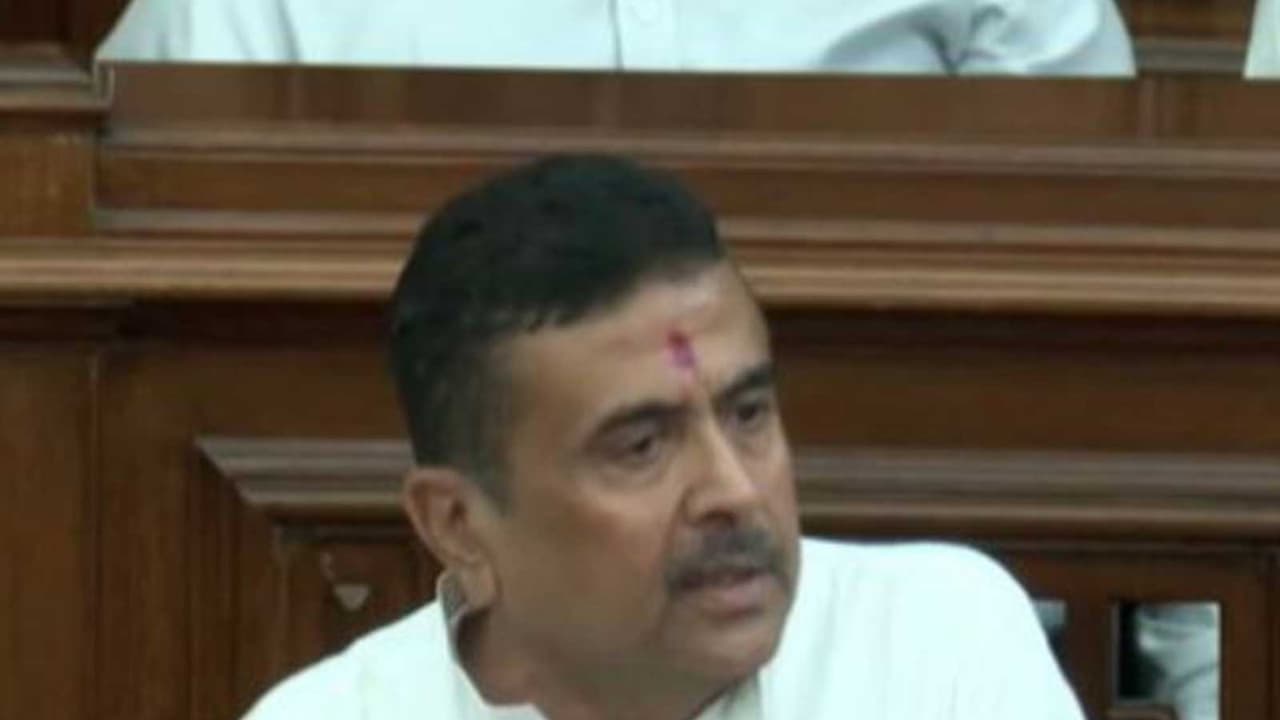
Politically, the passing of these bills has seen the West Bengal government (currently led by the Trinamool Congress) acting in compliance with the High Court's directives. However, some news reports incorrectly attributed the introduction or implementation to a 'BJP government' or 'Suvendu Adhikari government' in West Bengal. It is important to clarify that Suvendu Adhikari is the Leader of the Opposition (BJP) in the West Bengal Assembly, not the Chief Minister, and the state government is currently led by Chief Minister Mamata Banerjee (TMC). The bills were passed by the West Bengal Legislative Assembly, with the BJP supporting the move and emphasizing their allegations against the previous TMC government's policies. The amendments officially undo changes introduced by the TMC government in 2012.
The process of implementing the court order involved the state government issuing a notification on May 19, discontinuing religion-based categorization and regularizing 66 communities from the pre-2010 OBC list, restoring their eligibility for a 7% quota. Monday's bills provide the legal backing to this decision. The changes reflect a significant shift in West Bengal's reservation policy, aiming to align it with constitutional provisions and judicial pronouncements.
Frequently Asked Questions
What was the Calcutta High Court's ruling regarding OBC reservations in West Bengal?
In May 2024, the Calcutta High Court declared all OBC certificates issued in West Bengal since 2010 as illegal and unconstitutional. It ruled that the process of including certain communities, particularly 77 Muslim communities, in the OBC list by the previous state government bypassed proper procedures and the Backward Classes Commission.
Which communities are affected by the new OBC amendment bills in West Bengal?
The new bills remove 77 Muslim communities from the OBC list that were deemed illegally included by the High Court. However, some Muslim communities (such as Jolah, Fakir) remain on the list. The new framework will provide a 7% reservation for a revised list of 66 communities, comprising 54 Hindu and 12 Muslim communities.
What is the new OBC reservation quota in West Bengal?
The new amendment bills have revised the OBC reservation quota to a uniform 7% for the 66 approved OBC communities. This is a reduction from the previous system, which, under the TMC government, had expanded the OBC list and provided different quotas for Category A and Category B, totaling up to 17% in some contexts.
Are jobs secured through previously issued OBC certificates affected by this ruling?
No, the Calcutta High Court's ruling, while cancelling approximately 12 lakh OBC certificates issued after 2010, explicitly protected the services and positions of individuals who had already secured employment or availed benefits through those certificates. Certificates issued before 2010 remain valid.
What role does the West Bengal Commission for Backward Classes play under the new law?
The new bills restore greater statutory powers to the West Bengal Commission for Backward Classes. The Commission will now be the primary authority responsible for examining applications for inclusion in the OBC list, conducting surveys, and making recommendations to the state government. The government will act in accordance with the Commission's recommendations.