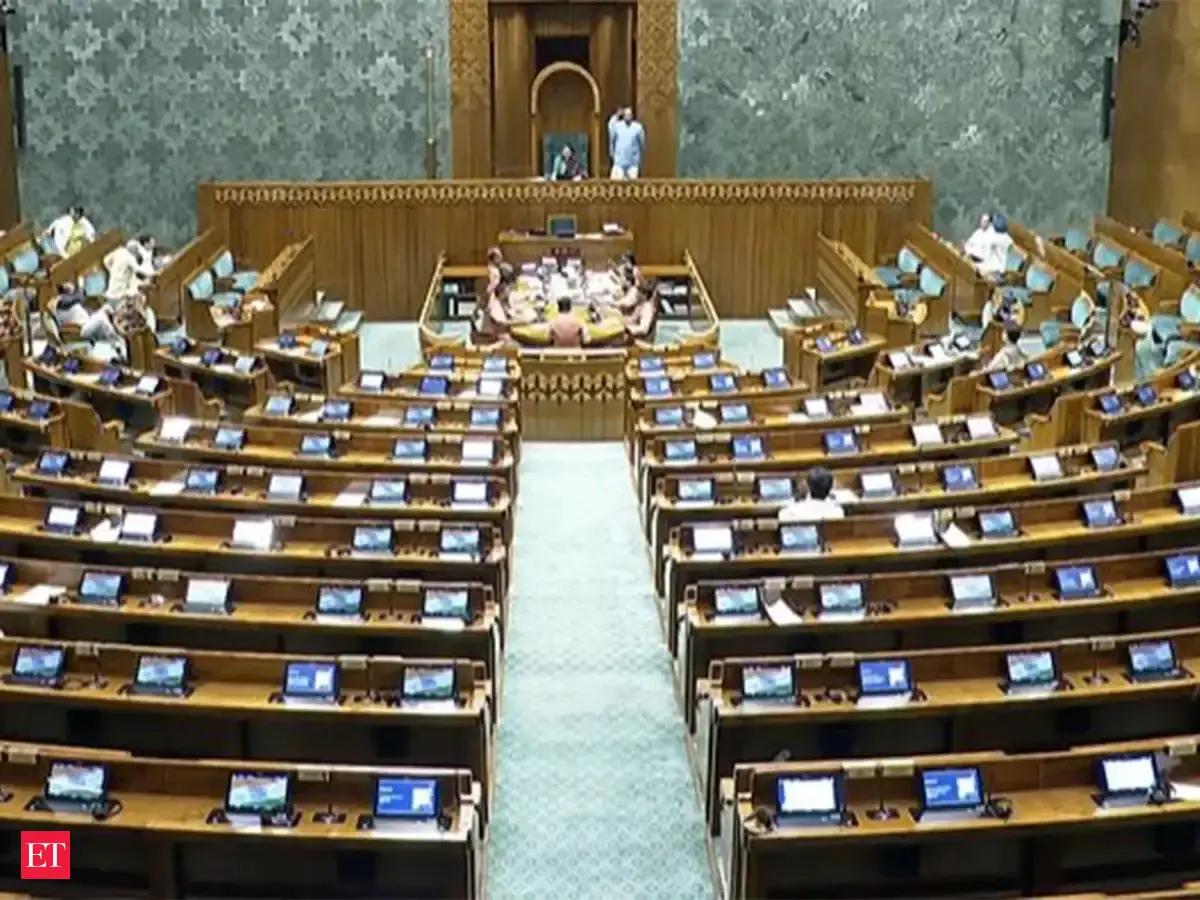
Delimitation: 2011 Census & Redrawing India's Political Map
India is on the brink of a major political reconfiguration as proposed delimitation based on the 2011 Census threatens to redraw parliamentary constituencies. This move, linked with increasing Lok Sabha seats and women's reservation, has sparked significant controversy, particularly among southern states fearing reduced political representation due to their successful population control measures.
Key Highlights
- Delimitation aims to redraw constituencies based on population.
- Proposed changes use 2011 Census, ending 1976 freeze.
- Southern states fear losing Lok Sabha seats due to population control.
- Lok Sabha seats might increase to 850, benefiting northern states.
- Women's reservation linked to this delimitation exercise.
- The process is a major federal and political flashpoint.
India is at a pivotal juncture with the impending delimitation exercise, a process designed to redraw the boundaries of parliamentary (Lok Sabha) and state assembly constituencies to ensure equitable representation based on population changes. Historically, delimitation commissions have been established four times in India: in 1952, 1963, 1973, and 2002. The current delimitation of constituencies is based on the 2001 Census, while the allocation of Lok Sabha seats to states has been frozen based on the 1971 Census until after 2026. This freeze, instituted in 1976 and extended in 2002, aimed to prevent states that successfully implemented family planning programs from being penalized with reduced political representation.
Recent developments indicate the Union government's intention to undertake the next delimitation exercise using data from the 2011 Census, rather than waiting for the post-2026 census, to avoid delays and expedite the implementation of women's reservation. This move is encapsulated in a proposed legislative package, including the Constitution (One Hundred and Thirty-First Amendment) Bill, 2026, the Delimitation Bill, 2026, and the Union Territories Laws (Amendment) Bill, 2025, which aims to lift the decades-long freeze, significantly expand the Lok Sabha, and operationalize women's reservation. The Lok Sabha's strength could increase from the current 543 to a projected 850 seats (815 for states and 35 for Union Territories), with 33% reserved for women.
The central argument driving the controversy stems from the differing population growth rates across Indian states. Southern states, such as Tamil Nadu, Kerala, Andhra Pradesh, Telangana, and Karnataka, have achieved significant success in population control due to better education, health, and economic development. Conversely, northern states, particularly those in the Hindi heartland like Uttar Pradesh and Bihar, have experienced higher population growth. If delimitation is carried out strictly based on the 2011 Census population, these northern states are projected to gain a substantial number of parliamentary seats, while southern states fear a significant reduction in their share of political representation.
For instance, projections suggest that if the Lok Sabha expands to 815 seats based on 2011 population data, Uttar Pradesh could see its seats increase by 58, from 80 to 138, while Kerala might only gain three, moving from 20 to 23. This would lead to Uttar Pradesh's share of Lok Sabha seats rising from 14.73% to 16.24%, and Kerala's declining from 3.68% to 2.7%. Overall, the combined share of Lok Sabha seats from the Hindi heartland could rise from 38.1% to 43.1%, while that of the southern states could shrink from 24.3% to 20.7%. Some analyses even suggest the South's share could drop from 23% to 19%, with the Hindi belt climbing from 42% to 48%.
Leaders from southern states, including Tamil Nadu Chief Minister M.K. Stalin, have vehemently opposed a purely population-based delimitation, labeling it a "mischievous, diabolical move to radically alter the federal balance" and a penalty for their successful family planning efforts. They argue that such a redistribution undermines the principles of federalism and equitable representation, as it disregards the significant contributions of economically advanced southern states to India's GDP and tax revenues. Concerns also extend to the potential for northern states to dominate Parliament, influencing government formation and constitutional amendments without southern consensus.
The Delimitation Commission, an independent statutory body appointed by the President of India in consultation with the Election Commission, is tasked with redrawing these boundaries. Its orders are final and cannot be challenged in any court of law. While the government assures that no state will lose seats, the proportional shift in representation remains a significant concern. The linking of women's reservation to this delimitation further complicates the political landscape, as its implementation depends on a fresh delimitation exercise based on the latest published Census.
Critics also point out that the absence of a recent census (the 2021 Census was delayed) means that any delimitation based on 2011 data, and not a more current count, might not accurately reflect present demographic realities, exacerbating existing disparities. The debate underscores a fundamental tension between the democratic principle of "one person, one vote" and the federal principle of balancing states' political influence, particularly in light of varying demographic trajectories and development indicators across the nation. This remapping of India's political constituencies is poised to be a defining moment for the country's federal structure and democratic future.
Frequently Asked Questions
What is delimitation and why is it being discussed now?
Delimitation is the process of redrawing electoral constituency boundaries to ensure equal representation based on population. It's being discussed because a freeze on the allocation of Lok Sabha seats, based on the 1971 Census, is set to expire after 2026. The government proposes using the 2011 Census for the next exercise, which could significantly alter the political map and is linked to the implementation of women's reservation.
Why are southern states concerned about delimitation based on the 2011 Census?
Southern states are concerned because they have successfully implemented population control measures, leading to slower population growth compared to northern states. If delimitation is based on the 2011 Census, their relative population share will be lower, potentially leading to a reduction in their parliamentary seats and political influence, which they see as a penalty for their achievements.
How would delimitation based on the 2011 Census redraw India's political map?
Such a delimitation would likely increase the number of Lok Sabha seats significantly (potentially to 850) and reallocate them. Northern states, with higher population growth, are projected to gain a substantial number of seats, while southern states could see their proportional representation decrease. This would shift political power towards the Hindi heartland.
What is the constitutional basis for delimitation in India?
Articles 82 and 170 of the Indian Constitution mandate that Parliament enact a Delimitation Act after every Census to readjust Lok Sabha and State Legislative Assembly seats. The Delimitation Commission, an independent body, carries out this task, and its orders are final.
What is the link between delimitation and women's reservation?
The recently passed Constitution (106th Amendment) Act, 2023, reserves one-third of seats for women in the Lok Sabha and State Assemblies. However, its implementation is linked to a fresh delimitation exercise based on the latest published Census. Therefore, the proposed delimitation using the 2011 Census data is seen as a precursor to operationalizing women's reservation.