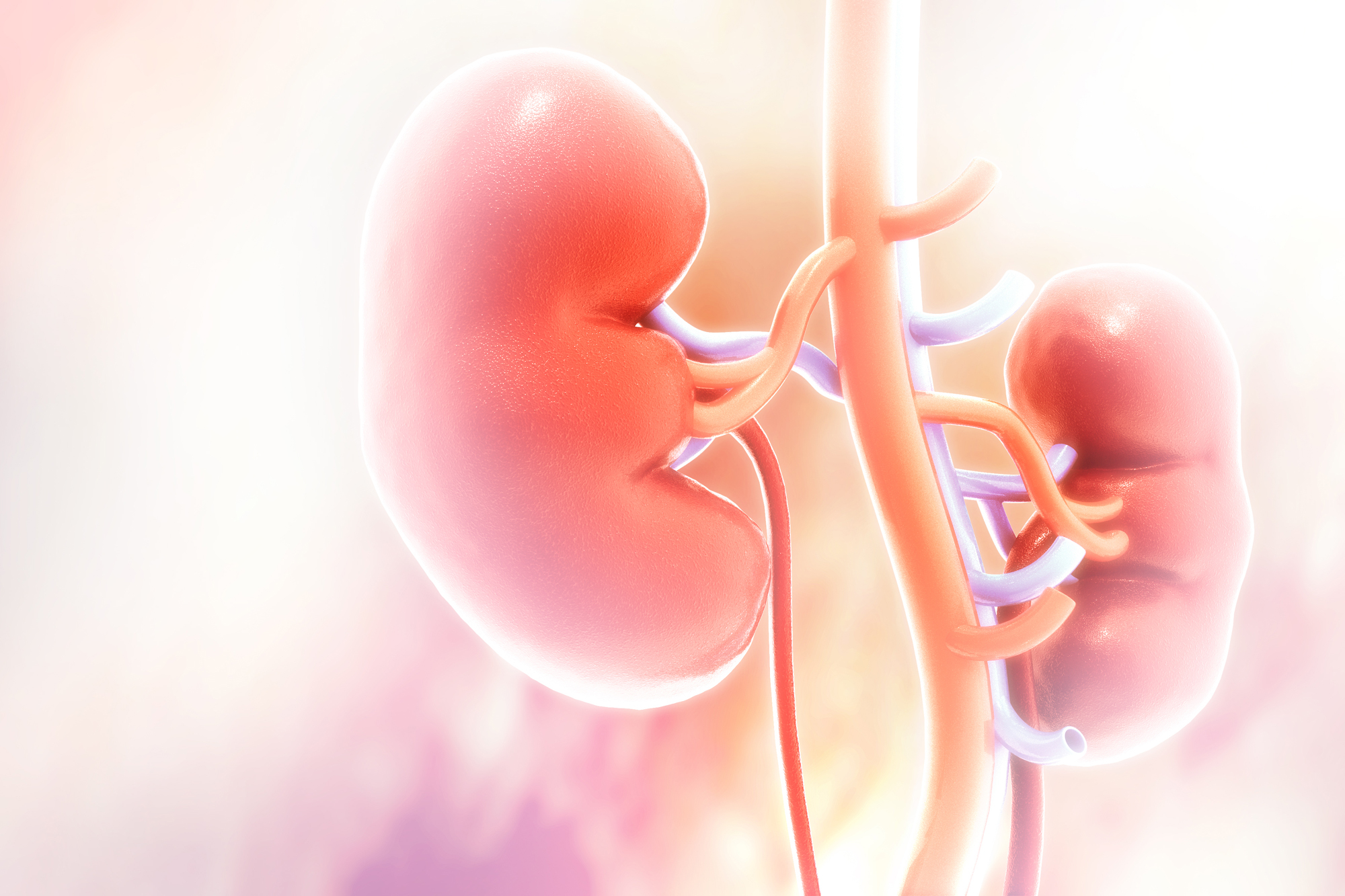
World Kidney Day 2026: Focus on Early Detection and Prevention in India
World Kidney Day 2026, observed on March 12th, emphasizes 'Kidney Health for All: Caring for People, Protecting the Planet.' Experts in India highlight the critical need for early detection and prevention of kidney diseases, which affect millions. The day aims to raise awareness about risk factors like diabetes and hypertension, advocating for lifestyle changes and regular screenings to combat the rising burden of Chronic Kidney Disease (CKD).
Key Highlights
- World Kidney Day 2026 theme: Kidney Health for All, Caring for People, Protecting the Planet.
- India faces a significant and growing burden of Chronic Kidney Disease (CKD).
- Diabetes and hypertension are primary drivers of CKD in India.
- Early detection through simple tests is crucial for managing kidney disease.
- Lifestyle changes like diet and exercise are key to prevention.
- Awareness campaigns are vital to address the silent nature of CKD.
World Kidney Day, celebrated annually on the second Thursday of March, will be observed on March 12, 2026. The theme for 2026, 'Kidney Health for All: Caring for People, Protecting the Planet,' underscores the interconnectedness of individual health, societal well-being, and environmental sustainability. This global initiative, spearheaded by the International Society of Nephrology (ISN) and the International Federation of Kidney Foundations – World Kidney Alliance (IFKF-WKA), aims to raise awareness about the importance of kidney health and to reduce the growing impact of Chronic Kidney Disease (CKD) worldwide [2, 8, 9].
In India, the urgency of this message is particularly pronounced. The country faces a significant and escalating crisis with CKD, with an estimated 13.8 crore Indians affected as of 2023, making India second only to China in the global number of CKD patients [4]. The prevalence of CKD in India has risen substantially, with studies indicating that 1 in 10 Indians suffers from some form of kidney disease [7]. This alarming surge is largely attributed to a "perfect storm" of metabolic epidemics and lifestyle shifts, with diabetes and hypertension being the leading culprits. These conditions directly damage the delicate filtering units of the kidneys, known as glomeruli [4]. Other contributing factors include rising obesity rates, the unchecked consumption of processed foods laden with hidden salts and phosphates, and increasingly sedentary lifestyles [4, 11].
CKD is often termed a "silent disease" because it progresses without noticeable symptoms in its early stages. By the time symptoms manifest, significant kidney damage may have already occurred [4, 12]. This silent progression leads to widespread underdiagnosis, with many patients only seeking medical help when the disease has advanced to critical stages. Routine preventive health check-ups, which are still not commonplace in India, and the infrequent inclusion of kidney function tests in general screenings exacerbate this issue [4].
Recognizing this challenge, experts emphasize the paramount importance of early detection and prevention. Simple, cost-effective tests, such as blood tests measuring creatinine levels and urine tests for protein leakage, can identify kidney dysfunction in its nascent stages [16]. Regular screening is particularly crucial for individuals belonging to high-risk groups, including those with diabetes, hypertension, cardiovascular disease, obesity, or a family history of kidney disease [3, 4, 6, 16]. Community-based programs and greater emphasis on preventive healthcare are essential to expand access to screening, especially in underserved populations [3, 4].
The theme for World Kidney Day 2026 also brings a critical environmental perspective to kidney health. Kidney disease care, especially in its later stages requiring dialysis or transplantation, is resource-intensive, consuming significant amounts of water and energy, and generating considerable waste. Conversely, environmental factors such as air pollution, heat stress, and dehydration can exacerbate kidney disease [3]. The campaign advocates for sustainable practices within healthcare systems and emphasizes that protecting kidney health and protecting the planet are intrinsically linked [3, 8].
Preventive strategies at an individual level involve adopting a healthy lifestyle. This includes maintaining a balanced diet with limited salt and processed foods, staying adequately hydrated, engaging in regular physical activity (at least 30 minutes most days), avoiding excessive alcohol consumption, and quitting smoking [5, 11, 17, 25, 29]. For those with pre-existing conditions like diabetes or hypertension, strict control of blood sugar and blood pressure levels through medication, lifestyle changes, and regular monitoring is vital [4, 12, 25].
The World Health Organization (WHO) has recognized kidney disease as a global public health priority, adopting its first-ever resolution on kidney health at the 78th World Health Assembly in May 2025. This resolution urges action on prevention, awareness, treatment access, and environmental risk reduction, providing an actionable roadmap for countries like India to integrate kidney health into their national public health agendas [3, 10].
In conclusion, World Kidney Day 2026 serves as a critical reminder for India to intensify efforts in promoting kidney health. By prioritizing early detection through accessible screening, fostering widespread awareness about risk factors and preventive measures, and encouraging the adoption of healthy lifestyles, the nation can work towards mitigating the silent epidemic of CKD and ensuring 'Kidney Health for All.'
Frequently Asked Questions
What is the theme for World Kidney Day 2026?
The theme for World Kidney Day 2026 is 'Kidney Health for All: Caring for People, Protecting the Planet.'
What are the main causes of kidney disease in India?
The primary causes of kidney disease in India are diabetes and hypertension, followed by lifestyle factors such as obesity and unhealthy eating habits.
How can kidney disease be detected early?
Early detection of kidney disease can be achieved through simple blood tests (measuring creatinine) and urine tests (checking for protein). Regular screening is recommended, especially for individuals with risk factors.
What are the key lifestyle changes for kidney health?
Key lifestyle changes include maintaining a balanced diet low in salt and processed foods, staying hydrated, exercising regularly, avoiding smoking, and managing underlying health conditions like diabetes and high blood pressure.
Why is kidney disease often called a 'silent disease'?
Kidney disease is often called 'silent' because it typically progresses without noticeable symptoms in its early stages. Significant kidney damage may occur before any signs become apparent, leading to late diagnosis.