Typhoon Bavi: Millions Evacuated as Powerful Storm Hits China
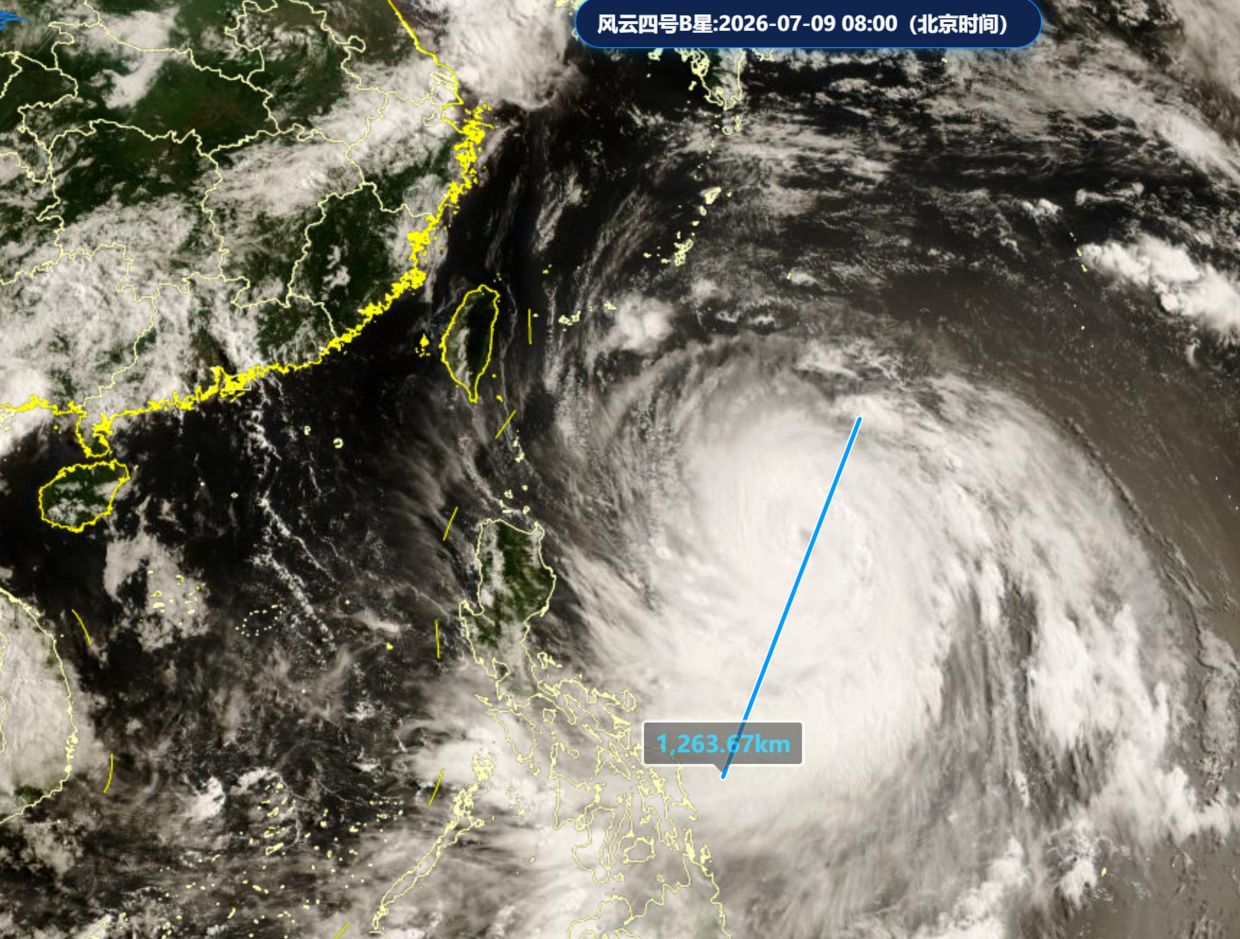
Typhoon Bavi caused hundreds of thousands of people to be evacuated as it approached China's eastern coast. The typhoon brought heavy rain and strong winds, impacting Japan's southern islands and Taiwan before making landfall in China.
Key Highlights
- Millions evacuated in China due to Typhoon Bavi.
- Typhoon Bavi caused significant evacuations in Zhejiang and Fujian provinces.
- Japan's southern islands and Taiwan experienced heavy rain and winds.
- Bavi's path led to landfall in eastern China.
- The storm's moisture content posed a continued threat.
- Philippines reported 17 deaths due to heavy rains exacerbated by Bavi.
Hundreds of thousands of people were evacuated in China as Typhoon Bavi made its approach towards the country's eastern coast. The major storm, which had already battered Japan's southern Sakishima island chain with heavy rain and violent winds and brushed past northern Taiwan, prompted large-scale evacuations in China's Zhejiang and Fujian provinces. State media reported that over 1.7 million people were evacuated in Zhejiang, where the major eastern city of Wenzhou is located, and more than 100,000 in neighboring Fujian province. Wenzhou, with a population of approximately 10 million, was bracing for landfall predicted for early Sunday. While Typhoon Bavi had begun to slow and weaken over cooler seas on its northwesterly path, forecasters warned that its sheer volume of moisture made it a potent risk. The typhoon's rain bands were described as being about the size of France. At its peak, Bavi had maximum sustained winds of 144 km per hour (90 mph), equivalent to a Category 1 storm on the Saffir-Simpson Hurricane Wind Scale. As of 0808 GMT, it was approximately 200 km southeast of Wenling in Zhejiang province. Residents in Wenzhou expressed a mix of concern and preparedness, with one local noting that they had experienced typhoons before and were prepared to get through this one, having stocked up on essentials. While Japan and Taiwan did not report deaths directly attributed to the typhoon, the Philippines reported 17 fatalities due to heavy rains from an enhanced southwest monsoon, which was worsened by Bavi's impact. Taiwan's fire department also reported 87 injuries, primarily from falls and being struck by objects. In Taiwan, authorities had evacuated over 14,000 people from mountainous areas and shut down the island for the approach of Bavi, including cancelling hundreds of flights. The typhoon's size was notable, with some reports describing it as the largest storm to affect Taiwan since 1987. Meteorologists noted its vast size allowed heavy rain and strong winds to impact areas far from its center. The storm's formation can be traced back to a disturbance that originated in the Philippine Sea in late June, encountering favorable conditions like high sea surface temperatures and low vertical wind shear. Typhoon Bavi was the eighth named storm and third typhoon of the 2020 Pacific typhoon season, and it had previously been known as Severe Tropical Storm Igme in the Philippines. Its path also impacted Guam and the Northern Mariana Islands earlier in its cycle. The significant evacuations and preparedness measures underscore the destructive potential of such powerful cyclones in densely populated coastal regions, and the ongoing threat posed by climate change to increased frequency and intensity of extreme weather events in East Asia. Reuters, a reputable news agency known for its adherence to journalistic standards of accuracy and impartiality, reported on these events, providing a credible account of the typhoon's impact and the response measures taken. The news category falls under natural disasters and weather events, with a global scope as it affects multiple countries, primarily China, Japan, Taiwan, and the Philippines. The date of publication appears to be July 11, 2026, based on the search results indicating current events. This incident highlights the critical importance of early warning systems and evacuation protocols in mitigating the impact of natural disasters.
Frequently Asked Questions
What is Typhoon Bavi?
Typhoon Bavi was a powerful tropical cyclone that affected East Asia. It formed in the Western Pacific and made landfall in North Korea in late August 2020, but subsequent reports in 2026 indicate it was a significant storm impacting China, Japan, Taiwan, and the Philippines.
How many people were evacuated due to Typhoon Bavi?
As Typhoon Bavi approached China in July 2026, Chinese authorities evacuated over 1.8 million people from coastal provinces like Zhejiang and Fujian. In Taiwan, over 14,000 people were evacuated.
What was the impact of Typhoon Bavi in the Philippines?
In the Philippines, heavy rains exacerbated by Typhoon Bavi led to landslides and resulted in at least 17 deaths and several injuries.