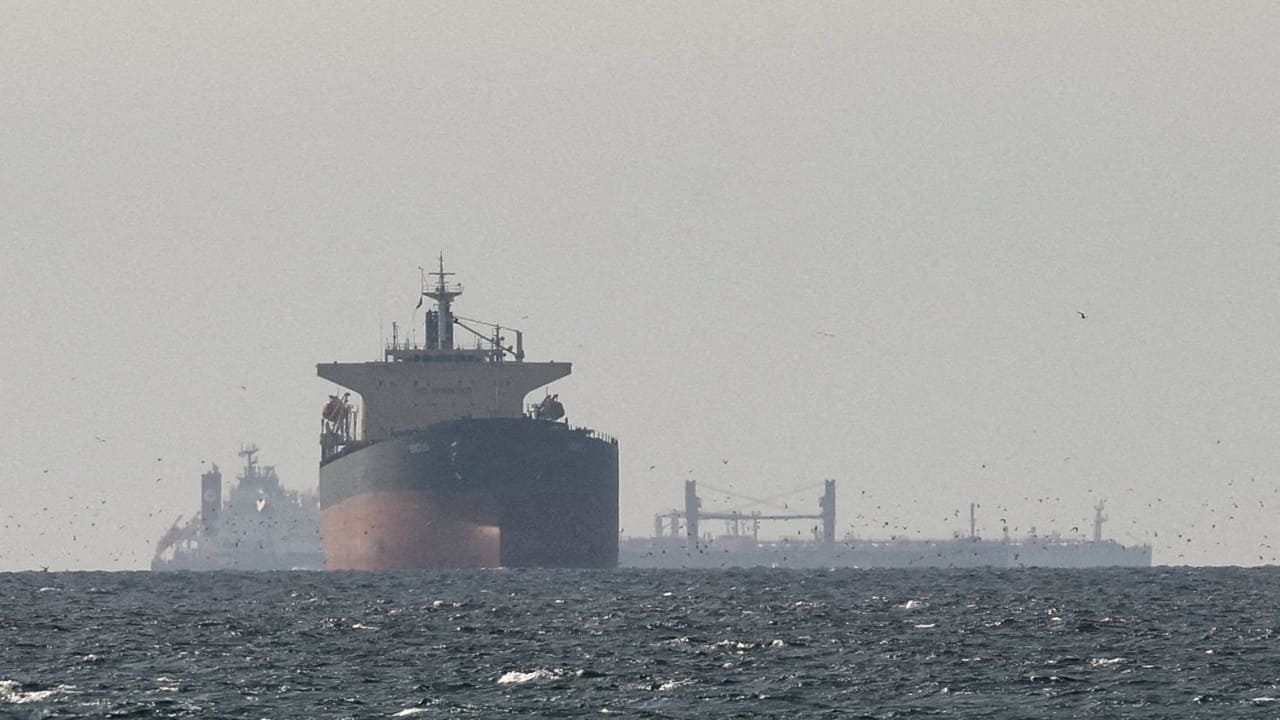
US-Iran Strait of Hormuz Deal: Hopes and Hurdles Amidst West Asia War
The US anticipated a swift deal with Iran and Oman to reopen the crucial Strait of Hormuz, aiming to restore oil exports amid the ongoing West Asia conflict. However, Iran introduced new demands, complicating the immediate prospects for an agreement, even as the wider regional war continues with significant casualties in Lebanon.
Key Highlights
- US expressed optimism for a quick Strait of Hormuz deal.
- Iran presented new conditions, challenging deal finalization.
- Strait of Hormuz vital for global oil and India's energy security.
- West Asia war ongoing, impacting regional stability and trade.
- Lebanon reports over 4,000 casualties from Israeli strikes since March.
- Sunni powers (Saudi Arabia, Pakistan, Turkey) formed a new defense pact.
In the volatile landscape of West Asia, significant diplomatic efforts have been underway concerning the Strait of Hormuz, a critical maritime chokepoint. Around August 4-8, 2026, U.S. officials expressed strong optimism regarding an imminent agreement with Iran and Oman to reopen the strategic waterway, which has seen disruptions amidst a five-month-old conflict involving the United States and Iran.
U.S. President Donald Trump indicated on August 5, 2026, that a deal on the Strait of Hormuz could materialize as early as Wednesday or Thursday of that week (August 5 or 6), noting that 'a lot of progress has been made.' This sentiment was echoed by U.S. Treasury Secretary Scott Bessent on August 4, 2026, who suggested a deal could be reached 'today or tomorrow' to restore freedom of movement for commercial ships. Similarly, Secretary of State Marco Rubio also affirmed progress in talks between Iran and Oman, though cautioned that finality had not yet been achieved.
These discussions, mediated by Qatar and Oman, focused on re-establishing normal oil traffic through the Strait. A proposed arrangement envisioned ships entering the Persian Gulf via an Iranian-controlled route and exiting through an Omani-controlled route, with potential service fees for security and environmental preservation. The United States reportedly committed to lifting its blockade of Iranian ports once an agreement was announced to restore unimpeded commercial shipping.
However, the path to a deal faced substantial new hurdles on August 8, 2026, when Iran's Supreme National Security Council declared that the Strait of Hormuz would not fully reopen until the United States 'corrects its behavior.' This statement introduced a comprehensive list of demands, including a permanent end to the war with Iran and its regional allies, the lifting of the U.S. naval blockade of Iranian ports, the withdrawal of American military forces from the region, complete compensation for war damages, the lifting of sanctions, and the unconditional release of frozen assets. Iran's Revolutionary Guard further clarified that reopening the Strait was conditional on the U.S. accepting Iran's terms and was not solely dependent on negotiations with Oman. These new demands significantly complicated the optimistic outlook previously conveyed by U.S. officials, making the 'soon' aspect of the deal uncertain as of August 9, 2026.
The Strait of Hormuz is a globally significant chokepoint, through which approximately 20% of the world's petroleum and a substantial portion of natural gas transit. For India, the stability of this waterway is paramount, as 45-50% of its crude oil imports and 54% of its Liquefied Natural Gas (LNG) imports flow through the Strait. Any prolonged closure or disruption would severely impact India's energy security, potentially leading to increased prices and the urgent need for alternative supply routes.
The broader context of the 'West Asia war' has seen escalating tensions and ongoing conflicts. The five-month-old U.S. war with Iran has caused significant disruptions, including Iranian missile fire on Gulf oil exporters and Houthi attacks on shipping in the Red Sea. In a notable development on August 7, 2026, Saudi Arabia, Pakistan, and Turkey signed a joint defense agreement in Mecca. This pact among three U.S. allies with majority Sunni Muslim populations aims to strengthen collective deterrence against aggression, stipulating that an armed attack against any of the three would be considered an attack on all.
Furthermore, the related article highlights the severe humanitarian crisis in Lebanon. Israeli strikes in Lebanon have resulted in over 4,000 deaths and more than 12,000 injuries since March 2, 2026, according to Lebanon's Health Ministry. This ongoing conflict underscores the widespread instability across the West Asian region, which includes military operations and displacement of over a million people in Lebanon. Diplomatic talks between Israeli and Lebanese officials in Rome on August 4, 2026, aimed to continue discussions on a U.S.-mediated deal to draw down Israeli military presence in southern Lebanon and disarm Hezbollah, yet recent reports indicate continued violence.
Given the recent publication dates of the articles (August 5 and 8, 2026) and the ongoing nature of the diplomatic efforts, military actions, and their significant implications for global energy and regional stability, the 'LIVE' designation in the original headline accurately reflects the dynamic and unfolding situation. The initial U.S. expectation of a swift deal, while genuine at the time, has been met with a more complex reality due to Iran's subsequent demands, emphasizing the fluid and challenging nature of diplomatic resolutions in the region. The situation remains critical with potential for significant global economic and geopolitical repercussions.
Frequently Asked Questions
What is the current status of the Strait of Hormuz deal?
As of August 9, 2026, while U.S. officials expressed strong hopes for an imminent deal with Iran and Oman to reopen the Strait of Hormuz around August 5-8, Iran subsequently issued new, extensive demands. These conditions, which include an end to the war, lifting sanctions, and withdrawal of U.S. forces, have significantly complicated the immediate prospects for a final agreement.
Why is the Strait of Hormuz important for global energy security and India?
The Strait of Hormuz is a critical global chokepoint for oil and natural gas, handling about 20% of the world's petroleum trade. For India, it is especially vital, with approximately 45-50% of its crude oil imports and 54% of its LNG imports passing through this waterway, making its stability crucial for India's energy security and economic stability.
What are Iran's new demands regarding the Strait of Hormuz?
On August 8, 2026, Iran's Supreme National Security Council announced that the Strait of Hormuz would not fully reopen until the U.S. 'corrects its behavior.' Their new demands include a permanent end to the war, lifting the naval blockade and sanctions, withdrawing U.S. military forces from the region, providing complete compensation for war damages, and unconditionally releasing frozen assets.
What is the situation with Israeli strikes in Lebanon?
The conflict in Lebanon has intensified, with Lebanon's Health Ministry reporting over 4,000 people killed and more than 12,000 injured from Israeli strikes since March 2, 2026. This ongoing violence has also led to the displacement of over a million people, contributing to a severe humanitarian crisis.
What is the significance of the new defense pact in West Asia?
On August 7, 2026, Saudi Arabia, Pakistan, and Turkey signed a joint defense agreement in Mecca. This pact among three majority Sunni Muslim nations aims to enhance collective deterrence against aggression, signifying a united front amidst the regional conflagration and Iranian missile fire on Gulf oil exporters.