Iran war depletes global oil reserves at record pace, risking shortages
The ongoing conflict in Iran has led to an unprecedented depletion of global oil buffer stocks, with estimates suggesting over a billion barrels lost. This rapid drawdown, exacerbated by disruptions in the Strait of Hormuz, increases the risk of severe price hikes and shortages, impacting industries and consumers worldwide. Recovery is expected to be slow, even after a peace deal.
Key Highlights
- Global oil reserves are depleting at a record pace due to the Iran war.
- Disruptions in the Strait of Hormuz have throttled oil flows, impacting supply.
- The rapid depletion increases the risk of extreme price spikes and shortages.
- Rebuilding reserves and restoring supply will take months, even after a conflict ends.
- Refined product inventories are also critically low, exacerbating supply chain issues.
- India has experienced shortages of liquefied petroleum gas.
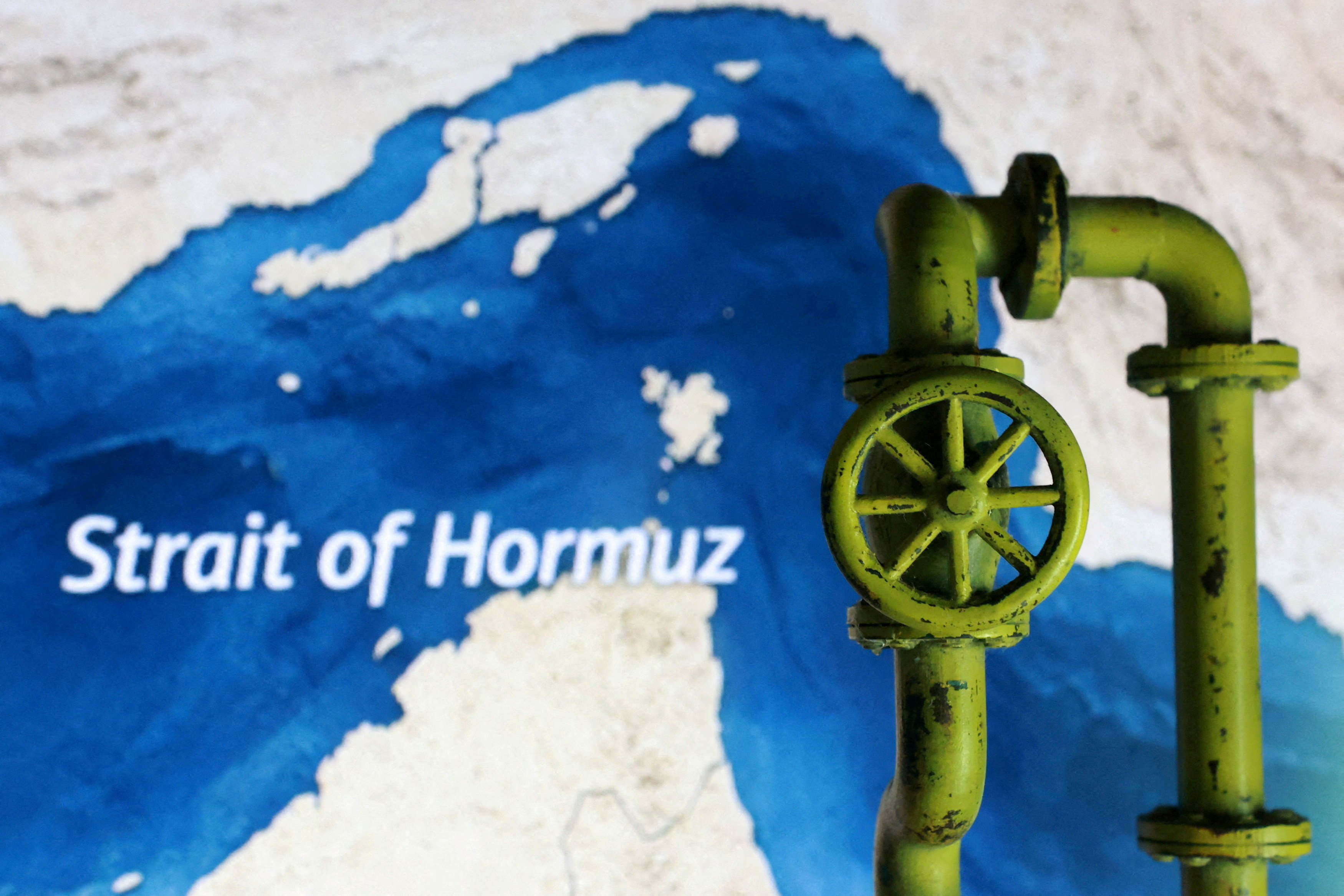
The ongoing conflict involving Iran has triggered an unprecedented and rapid depletion of global oil buffer stocks, with estimates suggesting that over a billion barrels have been lost. This situation is critically eroding the reserves that normally serve to cushion against supply shocks, thereby increasing the risk of extreme price surges and widespread shortages. The primary cause of this depletion is the significant disruption to oil flows from the Persian Gulf, particularly due to the near-closure of the Strait of Hormuz, a vital chokepoint for global energy transit. This has left governments and industries with diminishing options to mitigate the impact of lost supply.
Analysts, including those from Morgan Stanley, estimate that global oil inventories decreased by approximately 4.8 million barrels per day between March 1 and April 25, a rate far exceeding previous quarterly drawdowns recorded by the International Energy Agency (IEA). Crude oil constitutes nearly 60% of this decline, with refined products making up the remainder. The speed of this depletion is a significant concern, as it suggests the market will remain vulnerable to further disruptions for an extended period, even after the conflict eventually concludes. Natasha Kaneva, head of global commodities research at JPMorgan Chase & Co., highlights that the "operational minimum" of oil reserves is reached before inventories hit absolute zero, meaning the usable buffer is even smaller than total stock levels suggest.
Refined product inventories, such as diesel and gasoline, have also been hit hard, with particularly low levels reported in key consumption centers like Europe and parts of Asia. Goldman Sachs estimates that global commercial refined product stocks have fallen from approximately 50 days of demand (DoD) before the conflict to around 45 DoD, with easily accessible refined product buffers "approaching very low levels fast." This scarcity of refined fuels exacerbates supply chain issues and has direct consequences for consumers and industries. For instance, India has reported shortages of liquefied petroleum gas (LPG), and airlines have had to cancel flights due to a lack of jet fuel.
The International Energy Agency (IEA) reported in its May 2024 Oil Market Report that global oil demand was set to rise by 1.1 million barrels per day in 2024, with a projected increase to 1.2 million barrels per day in 2025. However, world oil supply was projected to increase by 580,000 barrels per day to a record 102.7 million barrels per day, with non-OPEC+ output rising while OPEC+ production falls, assuming voluntary cuts are maintained. Despite these projections, the current geopolitical crisis is actively undermining these anticipated market balances. Global oil reserves were estimated to be around 101 days of demand in early May 2026, with projections to fall to 98 days by the end of May, marking the lowest stock-to-demand ratio since the post-2008 financial crisis era.
Even if a peace deal is reached and the Strait of Hormuz reopens, the recovery process is expected to be lengthy. Experts estimate it could take several months for shipping and insurance confidence to be restored, for vessel traffic to normalize, and for Middle Eastern production and exports to return to pre-war levels. This prolonged period of vulnerability means that fuel users will likely need to continue drawing down remaining storage, and prices are expected to remain elevated. The market may need to see prices spike significantly to enforce demand destruction and balance the system until supplies can be fully restored.
The credibility of Moneycontrol.com, the source of the original article, is rated as "Mixed" for factual reporting by Media Bias/Fact Check, with a "Right-Center" bias. While it is a significant financial news portal in India, users are advised to cross-check information from multiple reliable sources.
The news is global in scope, affecting numerous countries and industries. The news category falls under Geopolitics and Economics, with a significant impact on global energy markets.
In terms of relevance to India, the country is directly affected by these oil supply disruptions, having experienced shortages of Liquefied Petroleum Gas (LPG). Additionally, India's strategic oil reserves are at a near 10-year low, making it particularly vulnerable to price volatility and supply issues.
The estimated read time for this article is 5 minutes.
Frequently Asked Questions
What is causing the rapid depletion of global oil reserves?
The ongoing conflict involving Iran has significantly disrupted oil flows from the Persian Gulf, particularly due to blockades and tensions around the Strait of Hormuz, leading to an unprecedented drawdown of global oil inventories.
What are the main consequences of this oil reserve depletion?
The depletion of oil reserves increases the risk of extreme price spikes and severe shortages of both crude oil and refined products. This impacts industries, transportation, and consumers worldwide, potentially leading to higher inflation and slower economic growth.
How long will it take for oil supplies and reserves to normalize?
Even after a potential peace deal is reached and the Strait of Hormuz reopens, recovery is expected to be slow. Experts estimate it could take several months to restore normal shipping operations, rebuild reserves, and return production and exports to pre-war levels.
Which regions are most affected by these oil supply disruptions?
While the impact is global, regions heavily reliant on Middle Eastern oil imports, such as Asia and Europe, are particularly vulnerable. India has already reported shortages of Liquefied Petroleum Gas (LPG), and key consumption centers like Europe and parts of Asia are seeing rapid drawdowns in refined product inventories.