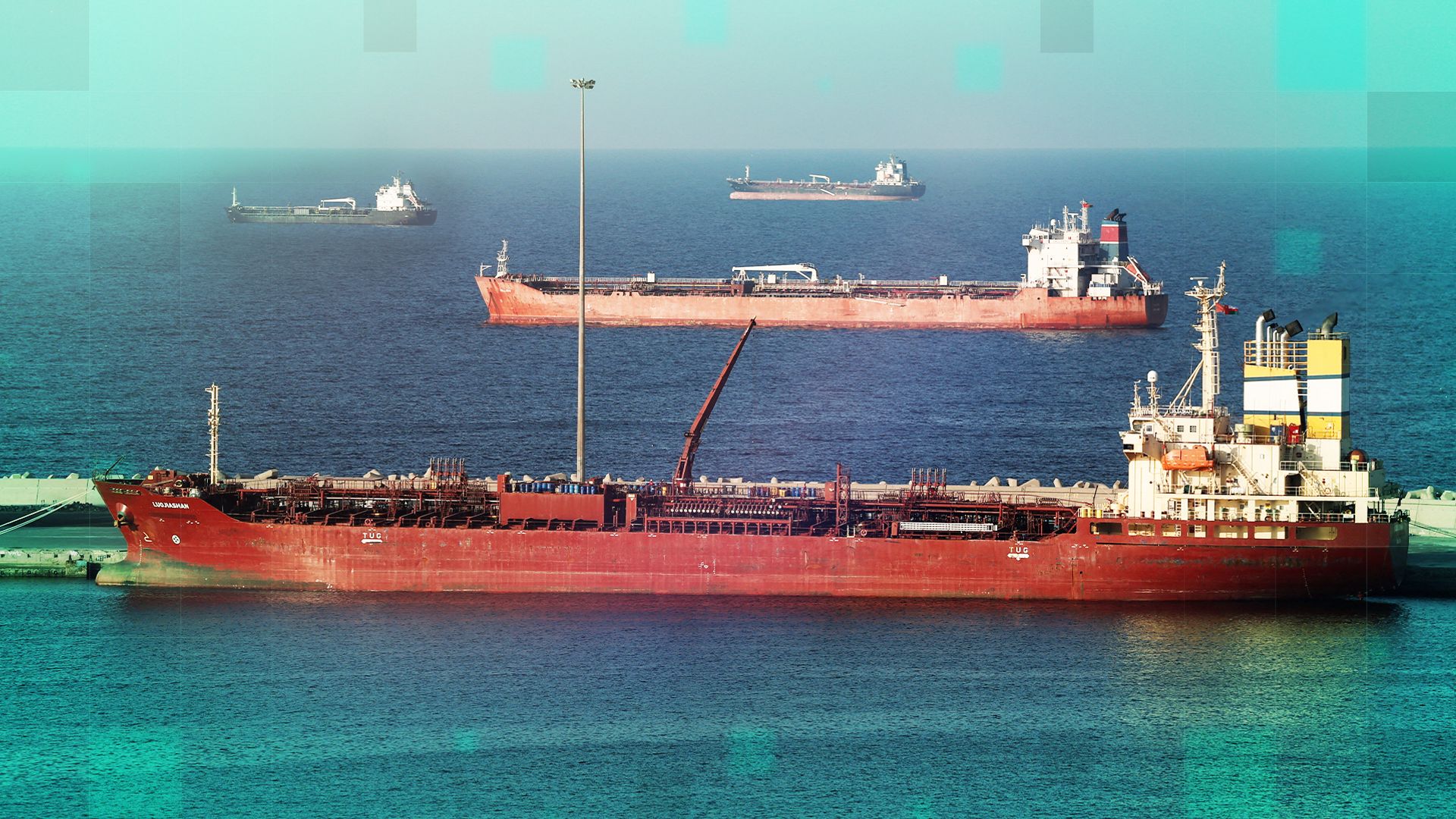
Cargo Ship Hit by Projectile in Strait of Hormuz, Crew Evacuates Amid Regional Tensions
A cargo vessel was struck by an unknown projectile in the Strait of Hormuz on March 11, 2026, leading to a fire onboard and crew evacuation. The incident, reported by the UK Maritime Trade Operations, underscores escalating maritime security risks in the vital global shipping lane amidst ongoing regional conflicts.
Key Highlights
- Cargo ship hit by projectile in Strait of Hormuz on March 11, 2026.
- Incident caused fire onboard, prompting crew to evacuate the vessel.
- UK Maritime Trade Operations (UKMTO) reported the attack north of Oman.
- Event highlights escalating maritime security risks in critical shipping lane.
- No immediate reports of casualties, fire later extinguished on one vessel.
- Multiple maritime incidents reported in the region recently.
On March 11, 2026, a cargo vessel was struck by an unknown projectile while transiting the Strait of Hormuz, a critical global shipping chokepoint, according to reports from the United Kingdom Maritime Trade Operations (UKMTO). The attack, which occurred approximately 11 nautical miles north of Oman, resulted in a fire onboard the ship and prompted the crew to evacuate and request assistance. While early reports did not immediately identify the specific vessel, some sources later identified a Thai-flagged bulk carrier, the Mayruree Naree, as one of the ships hit on March 11, with the fire subsequently extinguished and a skeleton crew remaining on board. Another incident on the same day involved a container ship, the Japanese-flagged ONE Majesty, which sustained a 10 cm hole, and a third bulk carrier was also hit.
This incident is not isolated, occurring amidst a period of heightened tensions and a series of maritime security events in the Arabian Gulf, Gulf of Oman, and the Strait of Hormuz. For instance, on March 4, 2026, another container ship, the Maltese-flagged Safeen Prestige, was reportedly hit by a projectile in the Strait of Hormuz, suffering damage and a fire in its engine room, which also led to crew abandonment. These incidents underscore the volatile security environment in the region, which has seen ongoing military activity and threats to commercial shipping.
The Strait of Hormuz holds immense strategic importance as it is the world's most vital oil export route, through which roughly one-fifth of the world's oil and significant volumes of liquefied natural gas and fertilizers pass. Disruptions in this narrow passage have far-reaching implications for global energy markets and supply chains. The current escalation is linked to broader regional conflicts involving the United States, Israel, and Iran. Iran has repeatedly threatened to block the strait in response to perceived aggressions, and reports indicate that Iran may have recently begun laying mines in the waterway. Concurrently, the US military has reported targeting Iranian mine-laying vessels in the area, further contributing to the combustible situation.
Maritime security agencies, including the UKMTO, have issued warnings advising vessels to transit the area with caution and report any suspicious activity. The frequency of these attacks is a grave concern for international shipping, prompting fears of increased insurance costs and potential rerouting of vessels, which would significantly impact global trade and economies. For India, a nation heavily reliant on oil imports, the stability of the Strait of Hormuz is paramount, as disruptions could lead to surging energy prices and supply chain vulnerabilities. The continuous targeting of commercial vessels in this region emphasizes the urgent need for de-escalation and international efforts to ensure the safety and freedom of navigation through this crucial maritime corridor. Investigations into the origin and nature of the projectiles are ongoing.
Overall, the incident on March 11, 2026, and the preceding attacks reflect a dangerous escalation in a region vital to global commerce and energy security. The international community remains on high alert, monitoring developments that could further destabilize the Middle East and impact worldwide economic stability. The prompt and verified reporting by organizations like Bloomberg, Reuters, and AP, citing UKMTO, ensures that the global audience, including India, is kept informed of these critical events. The repeated nature of these incidents underscores a 'critical' threat level for maritime operations in the region.
Frequently Asked Questions
What happened in the Strait of Hormuz on March 11, 2026?
A cargo vessel was hit by an unknown projectile in the Strait of Hormuz, leading to a fire onboard and the crew evacuating the ship and requesting assistance. This incident was reported by the UK Maritime Trade Operations (UKMTO).
Which organizations reported this incident?
The incident was primarily reported by the UK Maritime Trade Operations (UKMTO). This information was then disseminated by major news agencies including Bloomberg, Reuters, CNBC, and The Associated Press.
Why is the Strait of Hormuz a critical area?
The Strait of Hormuz is a crucial global chokepoint for maritime trade, particularly for oil and gas. Approximately one-fifth of the world's oil and significant volumes of liquefied natural gas and fertilizers pass through this strait, making it vital for global energy security and supply chains.
What is the broader context of these attacks?
These attacks occur amidst escalating geopolitical tensions in the Middle East, involving conflicts between the US/Israel and Iran. There have been numerous maritime security incidents in the region, with concerns about threats to shipping and potential disruptions to global commerce.
How does this incident affect India?
As a major oil-importing nation, India is highly dependent on safe passage through the Strait of Hormuz. Disruptions in this strait can directly impact India's energy security, leading to increased oil prices and potential vulnerabilities in its supply chains.