US Senate advances measure to limit Trump's military actions in Venezuela | Quick Digest
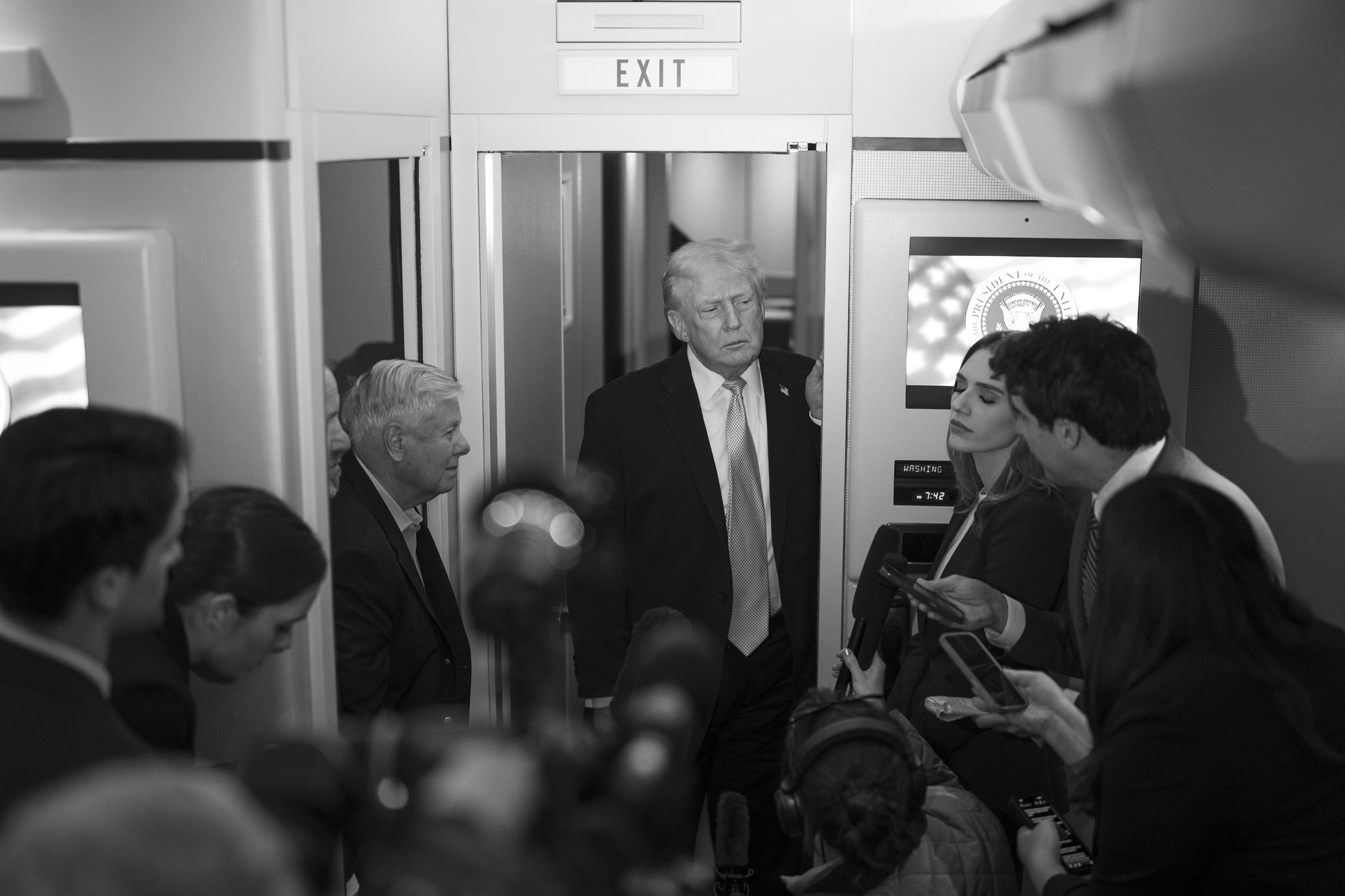
The U.S. Senate advanced a resolution to restrict President Trump's ability to conduct further military actions in Venezuela without congressional authorization. The vote reflected a debate over war powers and presidential authority in foreign policy. The measure needed Senate approval to move forward.
Senate advanced resolution to limit Trump's military actions.
Measure requires congressional authorization for future strikes.
Debate centers on presidential war powers.
Vote was narrowly advanced by the Senate.
Several Republicans joined Democrats in advancing the resolution.
The U.S. Senate has advanced a significant war powers resolution aimed at curtailing President Donald Trump's authority to initiate further military actions in Venezuela. This legislative move, supported by a bipartisan coalition including several Republican senators, signifies a notable push by Congress to reassert its constitutional role in matters of war and foreign intervention. The resolution, if it were to pass both chambers and be signed into law, would mandate that any future military engagement in or against Venezuela requires explicit authorization from Congress. This action comes amidst ongoing geopolitical tensions surrounding Venezuela and broader concerns about executive overreach in military affairs. Proponents of the resolution argue that it is crucial to prevent the President from unilaterally engaging in hostilities, thereby safeguarding against potentially prolonged and unauthorized conflicts. The vote to advance the resolution underscores a growing congressional desire to act as a check on presidential war-making powers, a theme that has seen increased prominence in recent years. The specific context of Venezuela has fueled this debate, with lawmakers seeking to prevent further escalation without a clear mandate from the legislative branch. This development highlights the intricate balance of power between the executive and legislative branches concerning national security and the use of armed forces abroad.
Read the full story on Quick Digest