DMK Slams Rahul Gandhi, INDIA Bloc Rift Widens Post-TN Polls
The DMK has severely criticized Congress leader Rahul Gandhi and the Congress party, calling them 'dishonest' and 'immature', widening the rift within the INDIA bloc. The condemnation follows Congress's alliance with TVK in Tamil Nadu, which the DMK views as a betrayal.
Key Highlights
- DMK's official mouthpiece 'Murasoli' heavily criticized Rahul Gandhi.
- Accusations include 'political immaturity and dishonesty' from DMK.
- Rift widened due to Congress-TVK alliance after Tamil Nadu elections.
- DMK skipped a crucial INDIA bloc meeting on June 8 over 'betrayal'.
- DMK alleges Congress undermines allies in state polls, seeks support nationally.
- Other INDIA bloc parties also expressed dissatisfaction with Congress.
A significant rift has emerged within India's opposition INDIA (Indian National Developmental Inclusive Alliance) bloc, with the Dravida Munnetra Kazhagam (DMK) launching a scathing attack on the Congress party and its leader, Rahul Gandhi. The controversy intensified following the Tamil Nadu Assembly elections, where the Congress opted to align with actor Vijay's Tamilaga Vettri Kazhagam (TVK) to form the state government, a move the DMK, a long-standing ally, viewed as a profound 'betrayal' and 'backstabbing'.
The DMK's criticisms were prominently articulated in its official mouthpiece, 'Murasoli', where Rahul Gandhi was labeled 'politically immature' and 'dishonest'. The editorial alleged that while the Congress consistently seeks the support of its allies during national parliamentary elections to counter the BJP, it simultaneously works to undermine these very partners during state-level assembly polls.
DMK leader TKS Elangovan further escalated the verbal assault, stating that whatever Rahul Gandhi says, the people of Tamil Nadu will not accept. He specifically pointed out that immediately after the Tamil Nadu elections, Congress MLAs shifted their allegiance to the TVK, with two even securing ministerial posts, which deepened the sense of betrayal within the DMK cadre.
This strained relationship led to the DMK conspicuously skipping a crucial INDIA bloc meeting held in New Delhi on June 8, citing Congress's 'betrayal' as the primary reason. The DMK spokesperson, Saravanan Annadurai, conveyed that the party's decision was a reflection of the deeply hurt sentiments of its cadres. The editorial in 'Murasoli' further claimed that during this very INDIA bloc meeting, several prominent leaders expressed dissatisfaction with the Congress's handling of alliance relationships, and Rahul Gandhi was reportedly caught off guard by the intensity of the criticism. The DMK asserted that the responsibility for this internal criticism squarely lies with Rahul Gandhi's 'political immaturity and dishonesty'.
The DMK's IT cell also joined the attack on social media platform X, slamming Congress for 'jumping ship the minute they saw a shiny new toy' and accusing Rahul Gandhi of not having 'grown up at all', calling him a 'massive joke'. The message also contained a stark warning: 'Don't come running back to us when the tide turns. Good luck surviving!'
The genesis of this heightened tension lies in the Tamil Nadu Assembly elections held on April 23, 2026. The TVK, led by actor Vijay, emerged as the single-largest party with 108 seats in the 234-member assembly, while DMK secured 59 and AIADMK 47. Despite their decades-long alliance, Congress extended support to TVK for government formation, winning 5 seats as part of the DMK-led alliance, but subsequently abandoning it for the TVK alliance. This move, according to DMK, not only broke their long-standing partnership but also demonstrated Congress's 'political opportunism'.
Beyond Tamil Nadu, the rift within the INDIA bloc appears to be multifaceted, as other key allies like the Trinamool Congress (TMC), Aam Aadmi Party (AAP), Samajwadi Party (SP), and the Left parties also reportedly skipped the June 8 meeting, citing their own regional conflicts and disagreements with the Congress. This suggests a broader discontent among regional parties regarding Congress's approach to alliances and its perceived 'big brother' attitude. The DMK's 'Murasoli' editorial also recalled past criticisms from Left parties in Kerala regarding Rahul Gandhi's remarks during election campaigns, where he allegedly focused on attacking allies rather than the BJP.
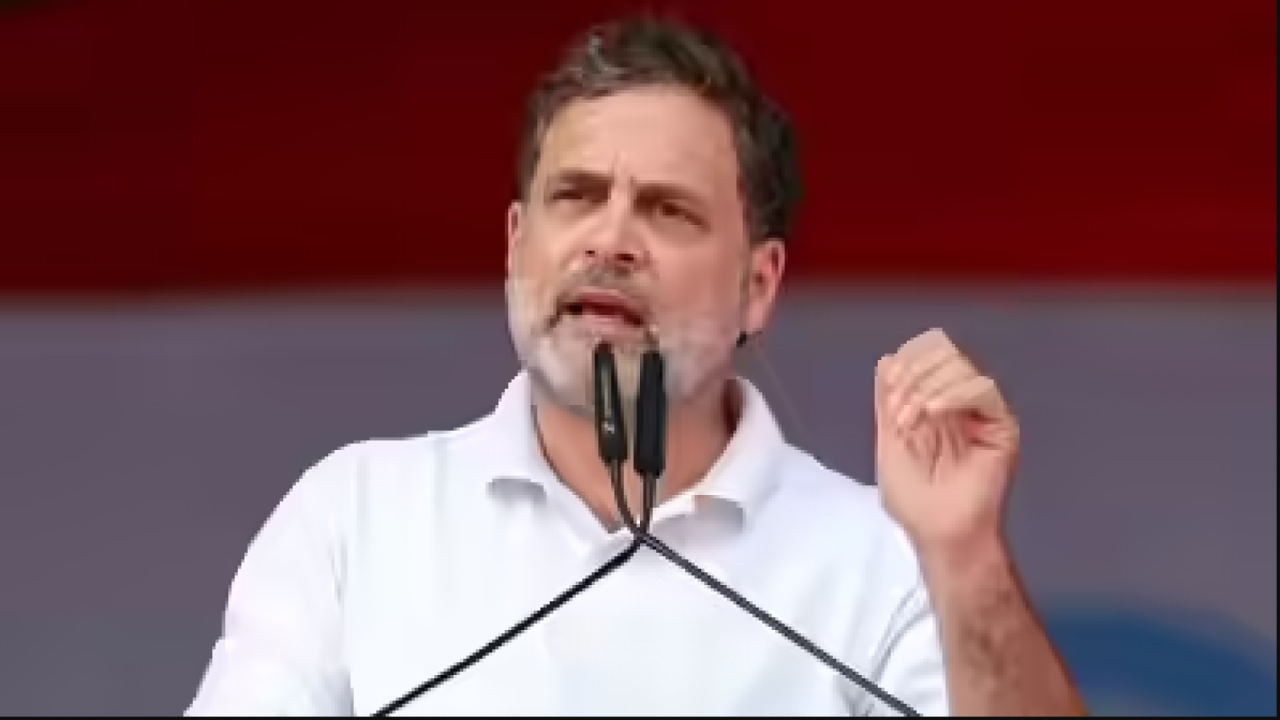
While Rahul Gandhi, in a speech released on June 12, 2026, attempted to downplay the internal discord and emphasized unity, stating that the BJP was trying to create an impression of disunity and that he could 'vouch for the DMK's commitment to the Opposition', his remarks came after the DMK's strong public condemnation. The DMK, through its mouthpiece, questioned the sincerity of these statements, implying a 'belated enlightenment' on Gandhi's part. The DMK has even requested a change in seating arrangements for its MPs in the Lok Sabha, signaling a formal separation from Congress within the parliamentary setup.
This widening schism poses significant challenges for the INDIA bloc's stated goal of presenting a united front against the BJP in future national elections. The DMK's accusations highlight deep-seated trust issues and tactical disagreements that could further fragment the opposition's efforts. The implications for Indian politics are substantial, as the unity of such alliances is crucial for mounting a credible challenge to the incumbent government. The situation in Tamil Nadu, specifically, has become a flashpoint for these broader alliance issues, reflecting a pattern of regional parties feeling undermined by the Congress.
Frequently Asked Questions
What caused the rift between DMK and Congress within the INDIA bloc?
The rift primarily stemmed from the Congress party's decision to ally with actor Vijay's Tamilaga Vettri Kazhagam (TVK) to form the government in Tamil Nadu after the recent Assembly elections. The DMK, a long-standing ally of Congress, viewed this as a significant betrayal.
What specific criticisms did DMK make against Rahul Gandhi?
The DMK, through its official mouthpiece 'Murasoli' and statements by leaders like TKS Elangovan, accused Rahul Gandhi of 'political immaturity' and 'dishonesty'. They blamed him for undermining INDIA bloc partners in state elections while seeking their support nationally, and for being caught off guard by criticism at a recent bloc meeting.
How has the DMK demonstrated its dissatisfaction?
The DMK skipped a crucial INDIA bloc meeting on June 8, 2026, and its IT cell launched attacks on social media. DMK leaders have publicly used strong terms like 'backstabber' and have even requested a change in parliamentary seating arrangements to distance themselves from Congress MPs.
What are the broader implications of this rift for the INDIA bloc?
The widening rift highlights deep-seated trust issues and tactical disagreements among opposition parties. It poses a significant challenge to the INDIA bloc's ability to present a united front against the BJP in future national elections, with other regional parties also expressing discontent with Congress's approach.
What was Rahul Gandhi's response to the criticism?
While the DMK's criticism was ongoing, Rahul Gandhi, in a speech released on June 12, 2026, attempted to downplay the discord. He asserted that the BJP was trying to create an impression of disunity and expressed confidence in the DMK's commitment to the opposition, urging unity among alliance partners.