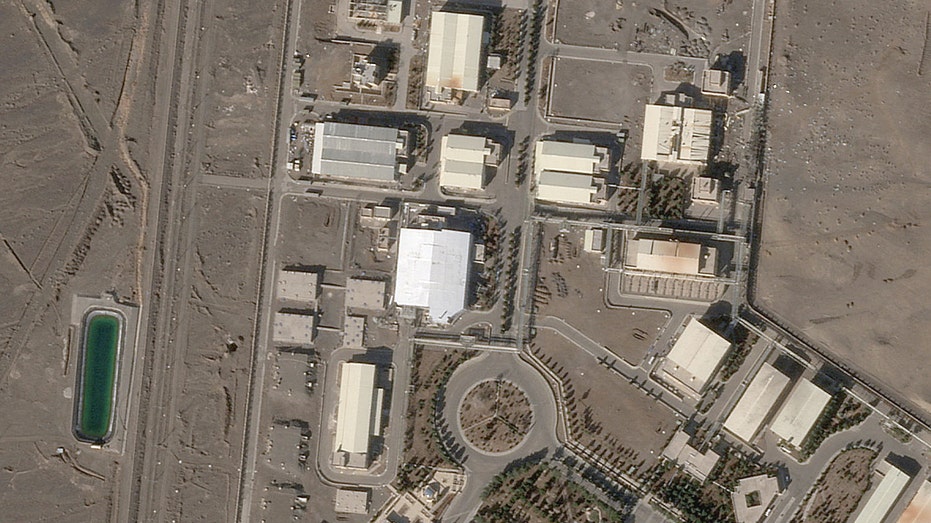
Iran signals diplomacy, but US mulls military strike amid nuclear tensions
Iran has stated there is "no military solution" to its nuclear issue and signaled an openness to diplomacy, while the US reportedly considers limited military strikes. Tensions remain high as indirect talks mediated by Oman progress, with both sides seeking to resolve the nuclear deadlock and sanctions relief.
Key Highlights
- Iran emphasizes diplomacy for nuclear issue resolution.
- US reportedly weighing limited military strikes on Iran.
- Indirect nuclear talks between Iran and US are ongoing.
- Iran denies pursuing nuclear weapons.
- US seeks to prevent Iran from developing nuclear weapons.
The ongoing geopolitical tensions between Iran and the United States have reached a critical juncture, with Iran publicly stating that there is "no military solution" to its nuclear program and signaling a willingness to engage in diplomatic solutions. This stance comes amidst reports that the United States, under President Donald Trump, is considering limited military strikes against Iran to compel adherence to nuclear deal demands. The situation is further complicated by the ongoing indirect negotiations between the two nations, mediated by Oman, which have seen some progress in establishing guiding principles, but significant gaps remain.
Iranian Foreign Minister Abbas Araghchi has been a key figure in these diplomatic efforts, consistently emphasizing that military means are not a viable path to resolving the nuclear issue. He has highlighted that Iran's nuclear technology is indigenously developed and resilient to external pressures, suggesting that diplomacy is the only effective route forward. This position is echoed by other Iranian officials who have stressed the importance of negotiations being free from threats and adhering to national interests. Iran maintains its assertion that its nuclear program is for peaceful purposes and denies any intention of developing nuclear weapons.
The United States, however, continues to express concerns about Iran's nuclear program, particularly its enrichment capabilities, and seeks to prevent Tehran from acquiring nuclear weapons. Reports from The Wall Street Journal suggest that President Trump is weighing a strategy of limited strikes, potentially targeting military or government sites, as a means to pressure Iran into an agreement on its nuclear enrichment activities. These potential strikes are viewed as a precursor to broader action if Iran remains non-compliant. This military posturing is part of a broader US military buildup in the Middle East, including the deployment of aircraft carrier strike groups.
The diplomatic tracks, though fraught with tension, have seen several rounds of talks. Indirect negotiations have taken place in Geneva and Muscat, with Oman playing a crucial mediating role. Both sides have acknowledged progress in establishing guiding principles, and Iran's Foreign Minister has described the atmosphere as "more constructive". The International Atomic Energy Agency (IAEA) chief, Rafael Grossi, has underscored the urgency of reaching an agreement, warning that time is limited and that much of Iran's enriched nuclear material remains intact despite previous US strikes. The IAEA's role is critical in verifying Iran's nuclear activities and ensuring non-proliferation.
However, significant hurdles persist. The US demands extend beyond the nuclear program to include Iran's ballistic missile program and its support for regional proxy groups, demands that Iran has consistently rejected. Iran, in turn, seeks relief from stringent US sanctions that have heavily impacted its economy. The historical context of US-Iran relations, marked by mistrust and previous military confrontations, including Israeli and US strikes on Iranian nuclear facilities, casts a long shadow over the current negotiations. The UN Security Council has previously passed resolutions concerning Iran's nuclear program, aiming to address international concerns through sanctions and demands for compliance with IAEA safeguards.
For India, this situation holds significant implications due to the potential for regional instability, fluctuations in global oil prices, and broader geopolitical realignments. While the immediate focus is on the Iran-US nuclear standoff, any escalation or definitive resolution will have ripple effects across South Asia and the global economy. The ongoing diplomatic maneuvers, coupled with the threat of military action, underscore the delicate balance of power and the complex web of international relations surrounding Iran's nuclear program. The situation highlights the persistent challenges in achieving a comprehensive and lasting resolution to the decades-long nuclear issue, with diplomacy and military threats coexisting as primary tools of statecraft.
Frequently Asked Questions
What is Iran's stance on a military solution to its nuclear issue?
Iran has clearly stated that there is "no military solution" to its nuclear issue and has emphasized diplomacy as the only viable path forward. They maintain that their nuclear program is for peaceful purposes and they are not pursuing nuclear weapons.
Is the United States considering military action against Iran?
Reports indicate that the US, under President Donald Trump, is considering limited military strikes against Iran as a means to pressure the country into complying with demands regarding its nuclear program. However, no decision has been definitively made.
Are the US and Iran currently engaged in diplomatic talks?
Yes, the US and Iran are engaged in indirect nuclear talks, which are being mediated by Oman. These talks have seen some progress in establishing guiding principles, but significant differences remain.
What is the role of the International Atomic Energy Agency (IAEA) in this situation?
The IAEA, led by its chief Rafael Grossi, plays a crucial role in monitoring and verifying Iran's nuclear activities. The agency has warned about the urgency of reaching a diplomatic agreement and highlighted that Iran's enriched nuclear material remains a significant concern.