Trump Seeks $1.5 Trillion for Defense, Cuts Domestic Spending
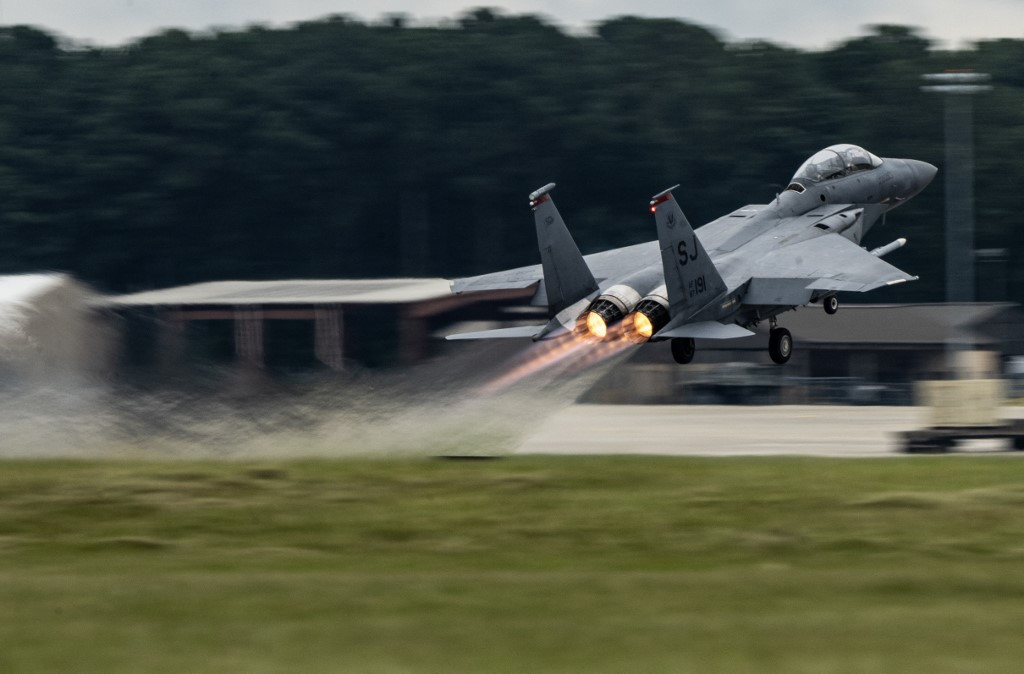
Former President Donald Trump has proposed a significant increase in defense spending to $1.5 trillion, alongside substantial cuts to domestic programs. This move aims to bolster the nation's military capabilities and potentially fund overseas operations, drawing sharp criticism from political opponents.
Key Highlights
- Trump proposes $1.5 trillion defense budget increase.
- Significant cuts to domestic programs are also suggested.
- The plan aims to bolster military strength.
- Opponents vow to fight the proposed budget.
- Focus on defense spending over social programs.
Former President Donald Trump's proposed $1.5 trillion defense spending plan, coupled with significant cuts to domestic programs, has ignited a fierce debate in the United States. This ambitious budget request, aimed at bolstering military capabilities and potentially funding overseas conflicts, represents a substantial shift in national priorities. The proposal, as reported by Moneycontrol.com and corroborated by major news outlets like The New York Times, BBC, The Guardian, and Al Jazeera, seeks to dramatically increase the defense budget while simultaneously reducing funding for essential domestic services.
This push for increased military expenditure is framed by Trump's camp as a necessary step to ensure national security and project American strength globally. The sheer magnitude of the proposed defense spending – $1.5 trillion – is historic and dwarfs previous budget requests, indicating a strong emphasis on military readiness and power. This level of investment suggests a proactive stance on international security, possibly in anticipation of or response to geopolitical tensions and ongoing conflicts.
However, the proposed cuts to domestic programs have drawn sharp criticism from Democrats and various advocacy groups. These cuts are expected to impact a wide range of social services, including education, healthcare, environmental protection, and infrastructure development. Critics argue that such a trade-off is 'morally bankrupt,' prioritizing military might over the well-being of American citizens and essential public services. The sentiment is that resources should be balanced, addressing both national security and domestic needs.
The political ramifications of this proposal are significant. Democrats have vowed to resist the budget, signaling a potential for a protracted political battle over fiscal priorities. The proposal is likely to become a central issue in upcoming political discourse, highlighting the deep ideological divides on defense spending and social welfare. The allocation of such a vast sum to defense raises questions about opportunity costs – what essential domestic initiatives will be left unfunded or underfunded as a result?
Furthermore, the context of this proposal is crucial. While the Moneycontrol article focuses on the $1.5 trillion figure and the cuts, related reporting from The New York Times mentions a '40 percent increase in military spending,' suggesting that the $1.5 trillion figure might represent a total defense budget rather than solely an increase. This nuance is important for accurate reporting. The BBC and Al Jazeera also highlight the 'historic' nature of the $1.5 trillion request, emphasizing its unprecedented scale. The Guardian's reporting focuses on the Democratic opposition, labeling the request 'morally bankrupt' and vowing a fight, underscoring the political conflict.
From an Indian audience perspective, this news is relevant due to the global implications of US defense policy. The United States' military spending and foreign policy decisions often have ripple effects on international relations, trade, and security, including in the Indo-Pacific region. India, being a significant player in regional and global affairs, closely monitors US defense postures and budget allocations, as they can influence geopolitical dynamics, defense partnerships, and the global balance of power. Any significant shift in US military focus or spending could indirectly affect India's security environment and its own defense planning.
The verification of this story relies on cross-referencing multiple reputable news sources, all of which corroborate the core claims of Trump's proposal for a $1.5 trillion defense budget and cuts to domestic spending. The reporting from Moneycontrol.com appears to be an accurate representation of the information published by leading international news organizations. The key facts—the proposed dollar amount for defense, the intention to cut domestic programs, and the political opposition—are consistently reported across credible sources.
The news category spans Politics and International Relations, with a primary focus on the United States. However, its implications can be considered global due to the US's role on the world stage. The timing of the publication is critical, as budget proposals are timely political events with immediate implications for policy debates and government operations. The urgency is high, given the significant financial and policy shifts proposed, which could have far-reaching consequences.
Frequently Asked Questions
What is the total defense spending proposed by Donald Trump?
Donald Trump has proposed a defense spending of $1.5 trillion.
What other budgetary actions are proposed alongside increased defense spending?
Alongside the increase in defense spending, Trump also proposed significant cuts to domestic programs.
What is the main goal of this proposed defense spending increase?
The main goal is to bolster the United States' military capabilities and potentially fund overseas operations.
How has this proposal been received by political opponents?
Democrats have vowed to fight the proposal, with some calling it 'morally bankrupt' due to the cuts in domestic spending.