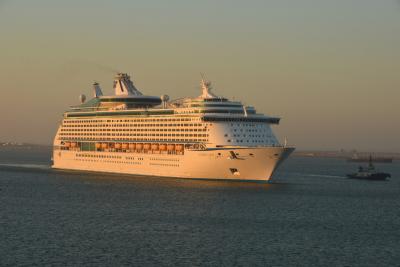
Hantavirus Kills 3 on Atlantic Cruise; Ship Blocked from Docking
Three passengers have died from a suspected hantavirus outbreak on the MV Hondius cruise ship in the Atlantic Ocean. The ship has been blocked from docking in Cape Verde as health officials investigate the cluster of infections, which also includes at least three other sickened individuals.
Key Highlights
- Three deaths confirmed on MV Hondius cruise ship.
- Suspected hantavirus outbreak under investigation by WHO.
- Cape Verde denies docking rights amid health concerns.
- At least three additional passengers are ill.
- Hantavirus typically spread by rodents.
A suspected outbreak of the rare hantavirus has led to the deaths of three passengers aboard the MV Hondius cruise ship, which was sailing in the Atlantic Ocean. The World Health Organization (WHO) and South African health officials confirmed the fatalities and stated that at least three other individuals on board are ill. This public health event has prompted Cape Verdean authorities to deny the ship permission to dock in its ports, citing concerns for national public health.
The MV Hondius, a Dutch-flagged polar cruise ship, departed from Argentina approximately three weeks prior to the outbreak, with a planned itinerary that included stops in Antarctica and various Atlantic islands before heading towards Spain's Canary Islands. The ship was observed anchored off the coast of Praia, the capital of Cape Verde, as of Sunday night.
According to the WHO, one case of hantavirus infection has been laboratory-confirmed, with five additional suspected cases. Of the six affected individuals, three have died, and one is currently in intensive care in South Africa. South African health officials identified two of the deceased as an elderly Dutch couple. The 70-year-old man reportedly fell ill on the ship and died before reaching Saint Helena, a British territory. His 69-year-old wife later died in a hospital in South Africa after becoming ill while attempting to fly back to the Netherlands. A 69-year-old British national, who also fell ill on the ship, is in intensive care in a Johannesburg hospital and tested positive for hantavirus. The third deceased individual's body remained on board the ship.
The ship's operator, Oceanwide Expeditions, indicated that two crew members also require urgent medical attention. The WHO is coordinating with relevant authorities to medically evacuate symptomatic passengers and crew.
Hantaviruses are a family of viruses primarily carried by rodents, such as rats and mice. Transmission to humans typically occurs through inhaling airborne particles from infected rodent urine, droppings, or saliva. Less commonly, infection can occur through direct contact with infected rodents or contaminated surfaces. Hantavirus infections can lead to severe respiratory illness, known as hantavirus pulmonary syndrome (HPS), which can be fatal. Early symptoms are often flu-like, including fatigue, fever, and muscle aches, which can progress to coughing, shortness of breath, and fluid buildup in the lungs. While rare, hantaviruses can also be transmitted between people.
The WHO has stated that the risk to the wider public remains low and there is no need for panic or travel restrictions. However, Cape Verdean authorities have chosen to prevent the ship from docking to protect national health. The situation underscores the potential for infectious disease outbreaks in close-quarter environments like cruise ships, although such events are generally rare and subject to rigorous monitoring and sanitation protocols.
For an audience in India, this story highlights the interconnectedness of global health and the potential impact of infectious diseases that can emerge in unexpected settings. While hantavirus is not endemic to India, the incident serves as a reminder of the importance of public health surveillance and preparedness, especially in the context of international travel and the cruise industry. The speed at which international health organizations and national authorities responded to the outbreak demonstrates the global effort to contain such threats.
Frequently Asked Questions
What is hantavirus and how is it spread?
Hantavirus is a group of viruses spread primarily through contact with the urine, feces, or saliva of infected rodents, such as rats and mice. Humans can become infected by inhaling virus particles that become airborne when rodent nests or droppings are disturbed, or through direct contact with infected rodents.
What are the symptoms of hantavirus infection?
Hantavirus infections can cause Hantavirus Pulmonary Syndrome (HPS), which begins with flu-like symptoms such as fatigue, fever, and muscle aches. As the disease progresses, it can lead to severe respiratory problems like coughing, shortness of breath, and fluid in the lungs, which can be life-threatening.
What happened on the MV Hondius cruise ship?
A suspected outbreak of hantavirus occurred on the MV Hondius cruise ship in the Atlantic Ocean, resulting in three passenger deaths and several other illnesses. This led to the ship being denied docking in Cape Verde due to public health concerns.
Is hantavirus contagious between humans?
While rare, hantavirus can be transmitted between people, though the primary mode of transmission is through rodents. The risk of human-to-human transmission is considered low.