US-Iran Tensions: Netanyahu urges Iranian people to oust leaders; Trump warns Tehran
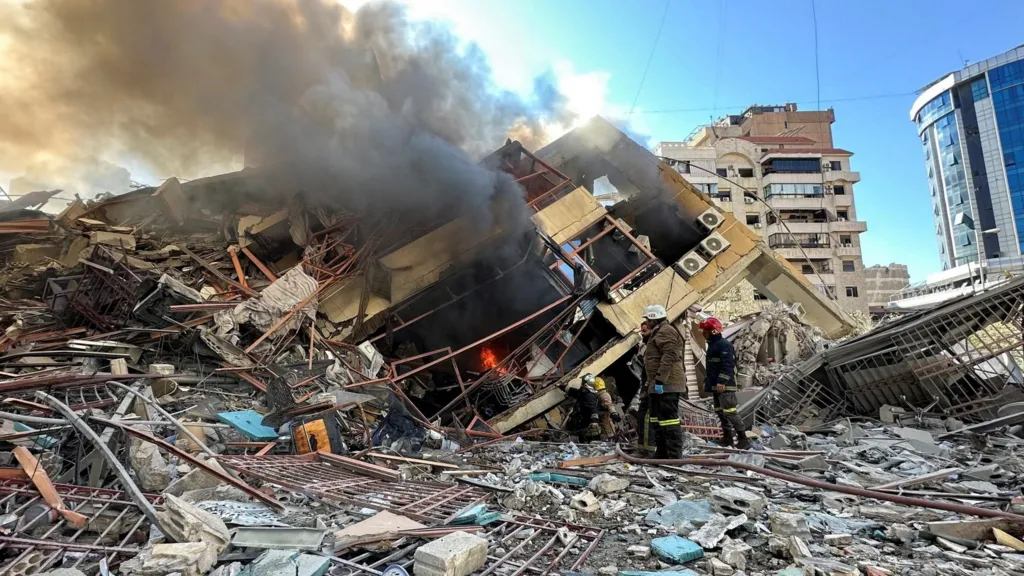
Amidst heightened US-Iran tensions, Israeli PM Netanyahu has publicly called on the Iranian people to overthrow the current regime. Concurrently, former US President Trump has issued a stern warning to Tehran, amplifying the diplomatic pressure. These statements come amidst ongoing concerns over Iran's nuclear program and regional destabilization.
Key Highlights
- Netanyahu urged Iranians to remove Ayatollah regime.
- Former President Trump issued a fresh warning to Tehran.
- Statements indicate escalating US-Iran diplomatic tensions.
- Iran's regional activities and nuclear program remain key concerns.
- The situation has global implications for Middle East stability.
The geopolitical landscape surrounding Iran has seen a significant escalation in rhetoric, with Israeli Prime Minister Benjamin Netanyahu making a direct appeal to the Iranian people to oust their current leadership. This call, amplified by former U.S. President Donald Trump's renewed warnings to Tehran, underscores the deepening international pressure on Iran. The Hindustan Times reported on these developments, framing them within the broader context of ongoing U.S.-Iran tensions and regional instability.
Netanyahu's statement, which urged Iranians to "rise up" and remove the Ayatollah regime, represents a more direct and public intervention in Iran's internal affairs than typically observed from Israeli leadership. This move signals a potential shift in strategy, aiming to foment internal dissent and destabilize the current Iranian government. The Iranian regime has consistently been a focal point of concern for Israel due to its alleged support for militant groups in the region and its nuclear ambitions.
Simultaneously, Donald Trump, who withdrew the U.S. from the Iran nuclear deal during his presidency and imposed stringent sanctions, reiterated his tough stance on Tehran. While the specifics of Trump's "fresh warning" were not detailed in the initial report, his past actions and statements suggest a continuation of a policy aimed at maximum pressure on Iran. His involvement, even as a former president, carries significant weight due to his previous administration's assertive foreign policy towards Iran.
The timing of these pronouncements is crucial, occurring against a backdrop of persistent concerns over Iran's nuclear program. International Atomic Energy Agency (IAEA) reports have frequently highlighted Iran's increasing uranium enrichment activities, raising alarms among global powers about the potential for Iran to develop nuclear weapons. This, coupled with Iran's support for regional proxies such as Hezbollah, Hamas, and the Houthi rebels, has created a volatile environment in the Middle East, impacting global energy markets and international security.
India, as a major regional player and a significant energy importer, closely monitors developments in the Persian Gulf. The volatility in this region directly affects India's economic interests, including trade routes and energy security. Past escalations, such as the attacks on oil tankers in the Strait of Hormuz, have demonstrated the immediate impact on global oil prices, which in turn affects India's economy. Furthermore, the presence of a large Indian diaspora in Gulf countries means that regional conflicts have direct implications for the safety and well-being of Indian citizens. India has consistently advocated for diplomatic solutions and de-escalation in the region, emphasizing the need for stability to ensure peace and economic prosperity.
The news article from Hindustan Times positions these statements as part of an ongoing live situation, suggesting a developing narrative of international pressure on Iran. The inclusion of "LIVE" in the title suggests that the situation is unfolding in real-time, and further developments are expected. The reference to "World News" clearly delineates the scope of the story, indicating its international significance. The focus on Netanyahu and Trump's statements highlights the key actors attempting to influence Iran's policies and its internal political landscape.
Verification of such claims requires continuous monitoring of official statements from the Israeli Prime Minister's office, the former U.S. President's public communications, and Iran's official responses. While the statements themselves are verifiable through public record, the potential impact and the underlying motivations behind them are subject to ongoing analysis and interpretation by foreign policy experts. The dynamic nature of international relations means that the situation is fluid, and the accuracy of future developments hinges on continued reporting and verification. The article's premise – that these leaders are actively engaging in public diplomacy to pressure Iran – is supported by their known foreign policy stances and recent geopolitical events.
The overarching theme is the complex interplay of diplomacy, national security, and regional power dynamics. Netanyahu's call to the Iranian people is a bold move that could be interpreted as an attempt to circumvent the Iranian government and appeal directly to the populace, potentially inciting dissent. Trump's warnings, on the other hand, align with his previous "maximum pressure" campaign, which aimed to cripple Iran's economy and force concessions. The confluence of these actions suggests a coordinated or at least concurrent effort by key figures to exert pressure on Iran, with potential ramifications for global security and economic stability. The story is highly relevant to India due to its significant economic and strategic interests in the Middle East, making it a critical piece of information for Indian policymakers and the public alike.
Frequently Asked Questions
What did Benjamin Netanyahu urge the Iranian people to do?
Israeli Prime Minister Benjamin Netanyahu publicly called on the Iranian people to rise up and remove the current Ayatollah regime.
What role has Donald Trump played in US-Iran relations?
During his presidency, Donald Trump withdrew the US from the Iran nuclear deal and imposed significant sanctions. He has continued to issue warnings to Tehran, maintaining a stance of strong pressure on the country.
What are the main concerns regarding Iran's nuclear program?
International bodies like the IAEA have reported increasing uranium enrichment activities by Iran, raising global concerns about its potential to develop nuclear weapons.
How do these tensions affect India?
India closely monitors the situation due to its significant economic and strategic interests in the Middle East, including energy security, trade routes, and the safety of Indian citizens residing in the region.