Trump approved joint US-Israel strike that killed Iran's Khamenei
Former US President Donald Trump approved a joint US-Israeli military operation against Iran, following persuasive arguments from Israeli Prime Minister Benjamin Netanyahu. The strikes, which commenced on February 28, 2026, reportedly resulted in the death of Iran's Supreme Leader Ayatollah Ali Khamenei and sparked a wider conflict in the Middle East.
Key Highlights
- Trump approved joint US-Israel military operation against Iran.
- Netanyahu argued for 'decapitation strike' on Ayatollah Ali Khamenei.
- Operation Epic Fury/Roaring Lion launched February 28, 2026.
- Iranian Supreme Leader Ayatollah Ali Khamenei confirmed killed.
- His son, Mojtaba Khamenei, appointed new Supreme Leader.
- The conflict involving US, Israel, and Iran is ongoing.
News reports from late February and March 2026 indicate a significant escalation in Middle East tensions, with the United States and Israel launching coordinated military operations against Iran. Central to these reports is the claim that former US President Donald Trump authorized a joint US-Israeli strike after intense lobbying from Israeli Prime Minister Benjamin Netanyahu, an operation that allegedly resulted in the death of Iranian Supreme Leader Ayatollah Ali Khamenei.
According to a Reuters report cited by various news outlets, less than 48 hours before the US-Israeli strikes commenced, Netanyahu engaged in a critical phone call with Trump. During this conversation, Netanyahu reportedly presented intelligence suggesting a unique window of opportunity for a "decapitation strike" against Khamenei and his key lieutenants, who were scheduled to meet at his compound in Tehran. New intelligence, however, indicated the meeting had been moved to an earlier time, intensifying the urgency of the proposed operation.
Netanyahu, a long-time advocate for aggressive action against Iran, argued that this was an unparalleled chance to eliminate Khamenei and retaliate for alleged Iranian assassination plots against Trump in 2024. By the time of this call, Trump had already approved the concept of a US military operation against Iran but had not finalized the timing or circumstances. The Israeli leader's arguments, combined with intelligence pointing to a rapidly closing window to target Iran's leadership, were seen by sources as a catalyst for Trump's final decision to authorize Operation Epic Fury (US) and Operation Roaring Lion (Israel) on February 27, 2026.
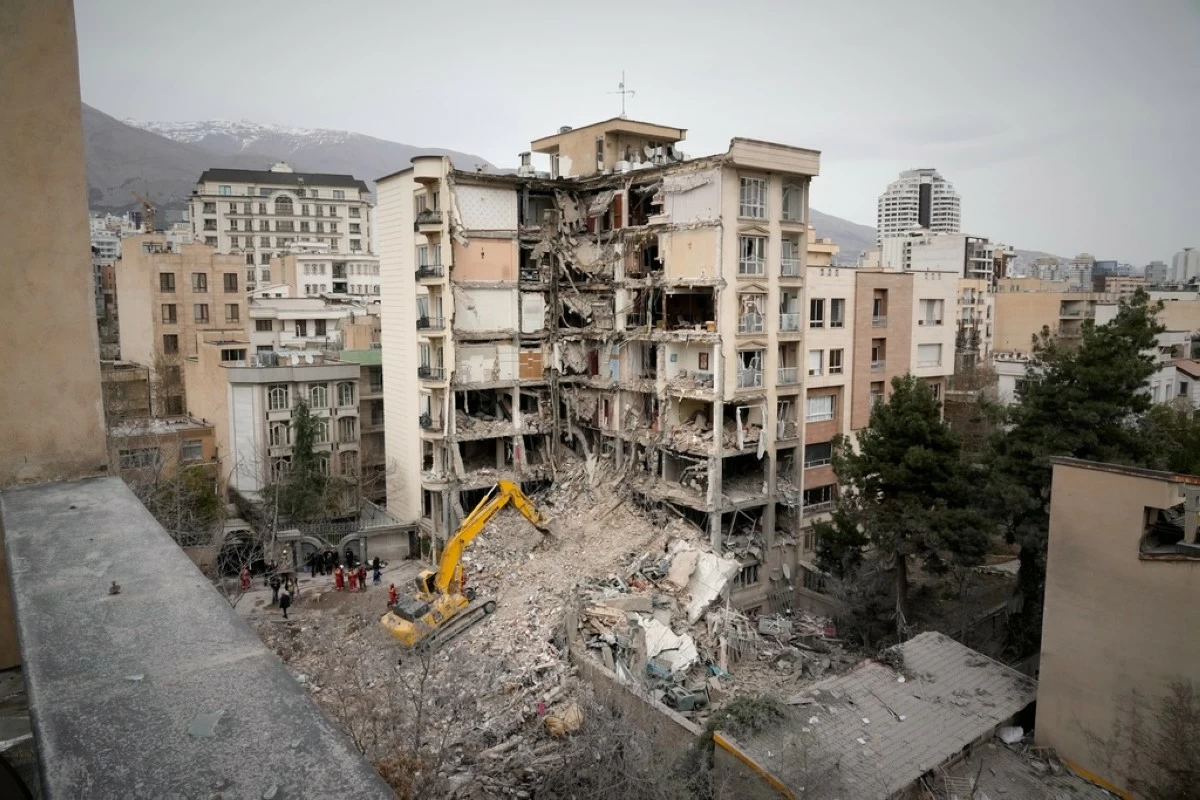
The coordinated military operations began on February 28, 2026, with airstrikes on multiple sites across Iran. That same evening, President Trump announced the death of Supreme Leader Ayatollah Ali Khamenei. The White House confirmed the military objective was to dismantle Iran's ballistic missile capabilities, nuclear program, and its capacity to arm proxy forces. Satellite imagery reportedly showed extensive destruction at Khamenei's compound in Tehran following the attack.
The death of Ayatollah Ali Khamenei, who had been Iran's Supreme Leader since 1989, is a monumental event with profound implications for Iran and the broader Middle East. Following his death, his son, Mojtaba Khamenei, 56, was appointed as the new supreme leader, a figure described as potentially even more hardline against the US than his father. This succession occurred amidst widespread protests in Iran earlier in 2026, fueled by a weakened economy and struggling infrastructure, suggesting a period of internal vulnerability for the Iranian regime.
The US and Israeli strikes were aimed at inducing regime change and targeting Iran's nuclear and ballistic missile programs. However, some analyses suggest that despite tactical successes, the war has not achieved these broader strategic objectives, and has instead led to the consolidation of power by a more extreme cadre within Iran. The conflict has seen Iranian retaliation with missile and drone strikes against Israel, US bases, and US-allied countries in the Middle East, leading to civilian casualties and infrastructure damage. The Strait of Hormuz has also been impacted, with Iran reportedly attempting to block the strategic shipping lane, leading to concerns about global oil prices.
Amidst this escalating conflict, there have been conflicting reports regarding potential diplomatic efforts. President Trump, on March 23, 2026, announced a five-day pause in planned strikes on Iranian energy infrastructure, citing "very good and productive conversations" with Tehran. However, Iranian officials, including the parliamentary speaker Mohammad Baqer Qalibaf, have denied any direct talks with the US, labeling Trump's claims as an attempt to manipulate oil markets and buy time for military plans. This situation underscores the complex and rapidly evolving nature of the current Middle East crisis.
For an Indian audience, this news holds critical importance due to its potential impact on global energy prices, regional stability in the Middle East (which is geographically close to India), and broader geopolitical alignments affecting India's foreign policy and economic interests. The ongoing conflict and its potential ramifications make this a high-urgency and high-importance story.
Frequently Asked Questions
Did US and Israel really carry out a joint military operation against Iran?
Yes, multiple credible news sources confirm that the United States and Israel launched coordinated military operations against Iran starting on February 28, 2026.
Is Iran's Supreme Leader Ayatollah Ali Khamenei dead?
Reports from various news agencies indicate that Iranian Supreme Leader Ayatollah Ali Khamenei was killed in the US-Israeli strikes on February 28, 2026.
What was Benjamin Netanyahu's role in the decision to strike Iran?
According to sources, Israeli Prime Minister Benjamin Netanyahu made a strong case to then-US President Donald Trump less than 48 hours before the strikes, arguing for a 'decapitation strike' on Khamenei based on new intelligence about his meeting location. His arguments reportedly influenced Trump's final decision.
Who is the new Supreme Leader of Iran?
Following the reported death of Ayatollah Ali Khamenei, his son, Mojtaba Khamenei, 56, has reportedly been appointed as the new Supreme Leader of Iran.
What are the broader implications of this conflict?
The conflict has led to significant geopolitical instability, Iranian retaliation against US and Israeli targets, concerns over global oil prices due to threats to the Strait of Hormuz, and an ongoing debate about the potential for regime change in Iran.