Jupiter Reaches Opposition on January 10, 2026, Offering Spectacular Views | Quick Digest
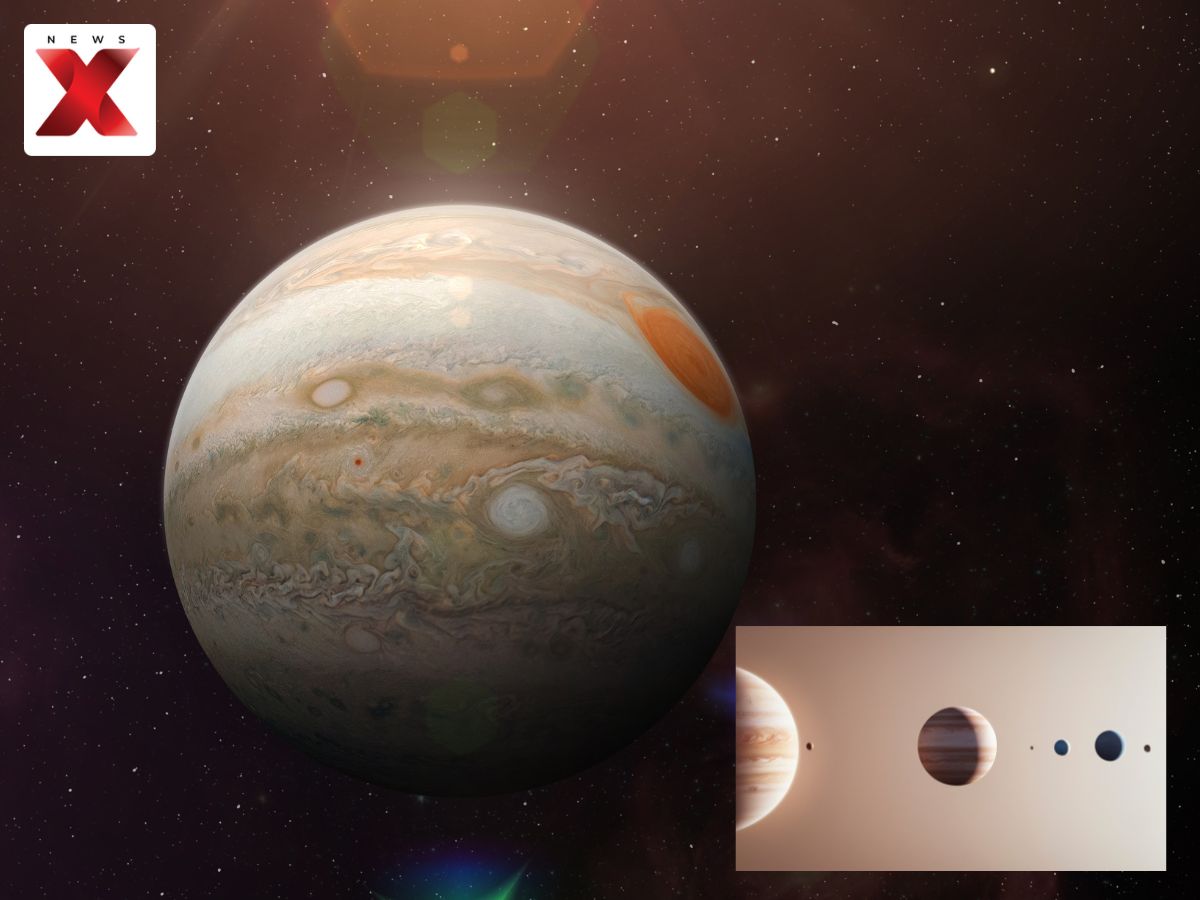
Jupiter reached its annual opposition on January 10, 2026, appearing at its brightest and largest for the year. This celestial alignment, where Earth is directly between Jupiter and the Sun, made the gas giant visible all night across the globe. Enthusiasts had a prime opportunity for skywatching, even witnessing a rare transit of its moon Callisto.
Jupiter reached opposition on Saturday, January 10, 2026.
The planet appeared brightest and largest, visible all night.
Earth positioned directly between Jupiter and the Sun.
A rare transit of Jupiter's moon Callisto also occurred during opposition.
Visible globally, shining in the constellation Gemini.
Outshone every star in the night sky at magnitude -2.7.
On Saturday, January 10, 2026, Jupiter, the largest planet in our solar system, officially reached its annual opposition. This astronomical event occurred when Earth positioned itself directly between Jupiter and the Sun, making the gas giant appear at its brightest and largest in the night sky for the entire year. At this point, Jupiter rose in the east precisely as the Sun set in the west, remaining visible throughout the night and reaching its highest point around midnight. Shining brilliantly at an impressive magnitude of -2.7, Jupiter outshone every star in the night sky, offering a spectacular treat for stargazers worldwide. No special equipment was needed to spot the glowing, non-twinkling sphere, though binoculars or a small telescope enhanced the view, revealing its distinct disk and up to four largest moons.
The event was made even more special by the rare transit of Jupiter's moon Callisto, which crossed the face of the planet with its shadow almost simultaneously with the moment of opposition. This unique alignment meant that from a viewpoint above the solar system, Earth stood directly between the Sun and Jupiter, causing the moon's shadow to nearly blend with Callisto itself as they transited. The planet was prominently located in the constellation Gemini, near the bright stars Pollux and Castor, making it relatively easy to locate for observers across the globe. While the exact moment of opposition was January 10, 2026, at approximately 4 A.M. EST (08:34 GMT), Jupiter remained an exceptional viewing target for several nights before and after this peak, dominating the eastern sky in the early evening. This highly anticipated celestial display underscored January 2026 as a prime month for observing Jupiter.
Read the full story on Quick Digest