US-China Summit Looms Amid Trade Tensions, Iran Crisis, and Shifting Alliances
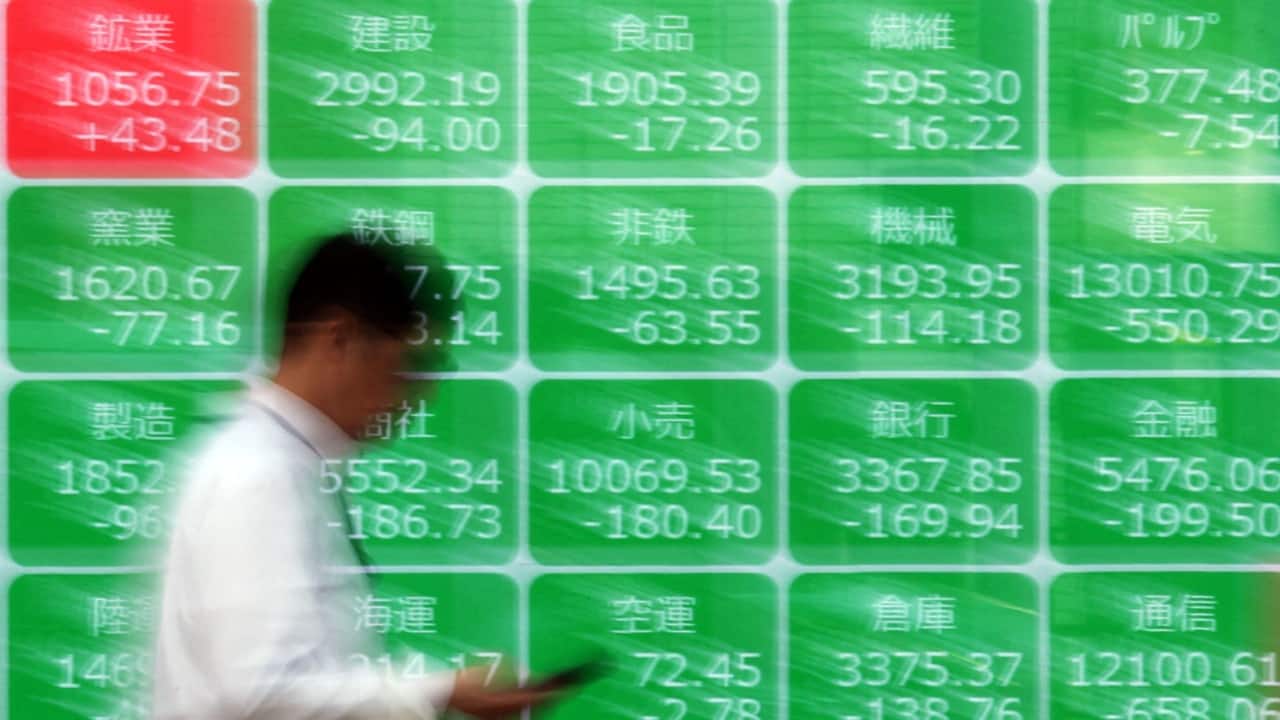
A high-stakes summit between U.S. President Donald Trump and Chinese President Xi Jinping is set to take place, overshadowed by ongoing trade disputes, the escalating Iran crisis, and evolving geopolitical dynamics. The meeting, delayed multiple times, will address critical friction points in the US-China relationship, including trade barriers and sanctions, with significant implications for the global economy and international relations.
Key Highlights
- Trump and Xi to meet amid significant US-China trade war escalations.
- Iran crisis and Strait of Hormuz security are key agenda items.
- Shifting alliances and India's complex position in US-China relations.
- Global economic impact of trade tensions and potential recession risks.
- Focus on economic competition, technology, and energy as undercurrents.
- Summit's outcome could redefine global trade and geopolitical stability.
The upcoming summit between U.S. President Donald Trump and Chinese President Xi Jinping, scheduled for May 14-15, 2026, is poised to be a pivotal moment in the complex relationship between the world's two largest economies. The meeting, which has faced several postponements, is occurring against a backdrop of intense trade disputes, growing geopolitical tensions, and a deepening crisis in the Middle East involving Iran.
The US-China trade war, which originated in 2018 with the imposition of tariffs by the Trump administration, has seen numerous escalations and retaliations. As of early 2026, significant tariffs remain in place, impacting global supply chains and contributing to economic uncertainty worldwide. The conflict has evolved, with recent developments including a proposed 60% tariff on Chinese goods by Trump's campaign and retaliatory measures from China, leading to forecasts of a 0.2% loss in global merchandise trade. Despite a temporary truce and reduced tariffs in May 2025, the underlying issues of unfair trade practices, intellectual property theft, and trade imbalances persist. The U.S. Supreme Court's decision in February 2026 to strike down certain tariffs under the International Emergency Economic Powers Act has added another layer of complexity to the legal and economic landscape of the trade war.
Beyond trade, the summit is expected to heavily feature discussions on the escalating crisis involving Iran and the security of the Strait of Hormuz. The United States is reportedly pressing China to use its influence with Iran to de-escalate the situation and ensure the free flow of oil. China, a major importer of Middle Eastern oil and a key trading partner for Iran, finds itself in a delicate position, balancing its economic interests with international pressure. Its involvement in mediating a ceasefire and its abstention from or opposition to UN Security Council resolutions against Iran highlight its strategic maneuvering. The U.S. views China's cooperation as crucial for stabilizing the region, especially given the disruption to global oil supply and the potential for a wider conflict.
Geopolitical alliances and the broader economic landscape are also significant undercurrents. The trade war has led to shifts in global supply chains, with countries like Vietnam and Mexico seeing increased trade with the U.S. as companies diversify away from China. India, while not a central player in the immediate conflict, occupies a complex position. It has faced tariffs from the U.S. and has been courted by both superpowers, presenting both opportunities and challenges. Some analyses suggest India could benefit from the trade war by attracting investment and manufacturing, while others caution about potential dumping of cheap Chinese goods and the impact of global economic slowdowns. There have also been reports of India aligning with China on certain trade criticisms against the U.S., adding another layer of complexity to its foreign policy.
The economic ramifications of the prolonged trade conflict are substantial. Global merchandise trade growth has slowed, and the IMF has projected a potential slowdown across key economies. The risk of a global recession remains a concern, with some analyses indicating an increased likelihood in 2025. The summit is therefore not just about bilateral issues but also about managing the broader global economic stability, which is heavily influenced by the US-China relationship.
The article suggests that the upcoming summit is more than just a meeting about trade; it's a negotiation where China, led by Xi Jinping, may not be in a supplicant position. Instead, China possesses leverage, particularly concerning the Iran crisis, which it can use to its advantage in discussions about economic competition and trade barriers. The summit's outcome could significantly impact the future trajectory of global trade, technological competition, and the overall geopolitical order, shaping the international landscape for years to come.
Frequently Asked Questions
When is the Trump-Xi summit scheduled to take place?
The summit between U.S. President Donald Trump and Chinese President Xi Jinping is scheduled for May 14-15, 2026.
What are the main issues expected to be discussed at the summit?
Key discussion points are anticipated to include the ongoing US-China trade war, sanctions, economic competition, and the escalating crisis involving Iran and the security of the Strait of Hormuz.
How has the US-China trade war impacted the global economy?
The trade war has led to significant disruptions in global supply chains, slowed global merchandise trade growth, and increased economic uncertainty, with some analysts warning of potential recession risks.