Trump Comments on NATO, Iran Deal Amid Strait of Hormuz Reopening
Former US President Donald Trump made a series of remarks regarding NATO, calling it a 'paper tiger,' and expressed optimism about a potential peace deal with Iran, citing 'pretty good news.' These statements followed Iran's conditional reopening of the crucial Strait of Hormuz amidst ongoing US naval blockade and regional tensions.
Key Highlights
- Iran conditionally reopened the Strait of Hormuz on April 17, 2026.
- Trump labeled NATO a 'paper tiger' over its perceived inaction in the Iran conflict.
- Trump expressed optimism about an impending 'pretty good news' peace deal with Iran.
- The Strait's reopening occurred during a ceasefire in Lebanon but with ongoing US blockade.
- The remarks highlight complex US-Iran relations and alliances amidst Middle East tensions.
- Oil prices reacted significantly to the developments surrounding the Strait of Hormuz.
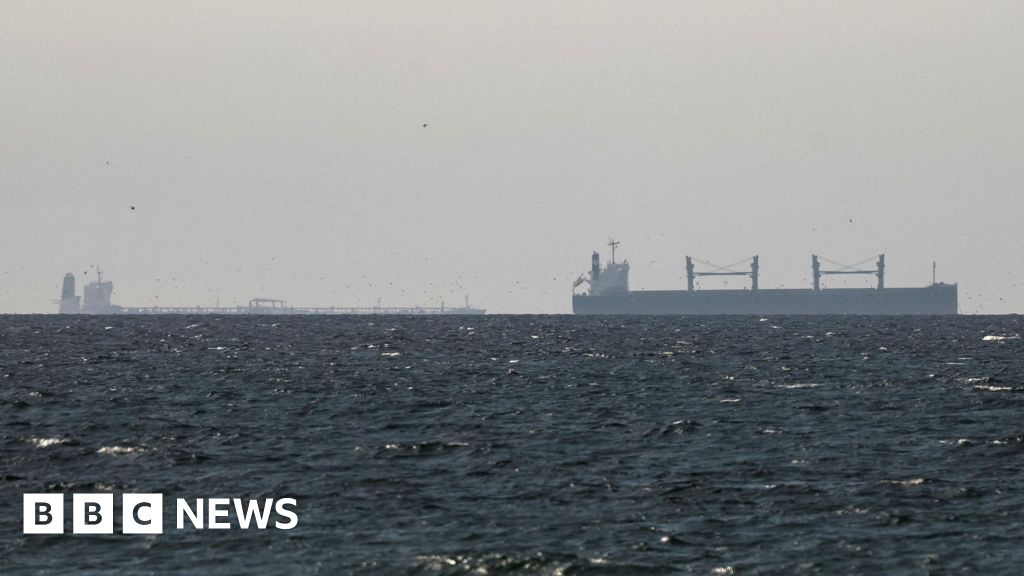
In a series of impactful statements made on April 18, 2026, former US President Donald Trump addressed significant geopolitical developments concerning Iran and the North Atlantic Treaty Organization (NATO). These remarks closely followed Iran's announcement on April 17, 2026, of the reopening of the strategically vital Strait of Hormuz, a critical chokepoint for global oil shipments. The reopening came after a period of heightened tensions and a de facto closure or disruption of the waterway, which had been impacted by a recent conflict involving the United States, Israel, and Iran.
Trump notably referred to NATO as a 'paper tiger,' sharply criticizing the alliance for what he perceived as a lack of effective support or willingness to engage in the US-led operations concerning Iran and the Strait of Hormuz. He claimed that NATO had contacted him offering assistance after the 'Hormuz Strait situation is over,' but he had instructed them to 'stay away, unless they just want to load up their ships with oil,' reiterating his long-standing skepticism about the alliance's utility and burden-sharing among members. This criticism aligns with his previous rhetoric where he questioned the commitment of European allies.
Simultaneously, Trump expressed a surprising degree of optimism regarding the ongoing diplomatic efforts with Iran, stating there had been 'some pretty good news' about a potential peace deal. While he declined to elaborate on the specifics of this 'good news,' he conveyed a belief that negotiations were progressing well in the Middle East and that a resolution was imminent. He suggested that Iran had agreed to significant terms, including potentially suspending its nuclear program indefinitely and foregoing nuclear ambitions, as well as an agreement that the Strait of Hormuz would 'never close again'. However, an Iranian Foreign Ministry spokesman, Esmaeil Baqaei, later clarified that Iran's enriched uranium would not be transferred anywhere, indicating potential discrepancies in Trump's claims regarding the nuclear program.
The reopening of the Strait of Hormuz was announced by Iranian Foreign Minister Seyyed Abbas Araghchi, who stated that commercial passage was 'completely open for the remaining period of the ceasefire' in Lebanon. This followed a 10-day US-brokered truce between Israel and the Iran-backed Hezbollah militant group in Lebanon, which began on April 8, 2026. However, the situation remained complex and precarious. Despite Iran's announcement, the United States maintained its naval blockade on Iranian ports and vessels, which had been initiated on April 13. Trump explicitly stated that the US blockade would 'remain in full force and effect' until a 'transaction with Iran is 100% complete,' indicating that full normalization was contingent on a comprehensive deal. Iranian officials, including parliamentary speaker Mohammad Bagher Ghalibaf, warned that the Strait would not remain open if the US blockade continued, highlighting the fragility of the agreement.
The conflict had led to the effective closure of the Strait since February 28, causing significant disruptions to global trade and a surge in oil prices. The news of the Strait's reopening, even with caveats, led to an immediate drop in global oil prices, with Brent crude falling by approximately 9.5 percent. The events underscore the intricate and volatile nature of Middle East geopolitics, the critical role of the Strait of Hormuz in global energy security, and the ongoing challenges in US-Iran relations and international alliances. The potential for a broader peace deal remained uncertain, with ongoing negotiations in Islamabad having been inconclusive on key issues like Iran's nuclear program.
This news story is highly relevant to an Indian audience due to India's significant reliance on oil imports, a substantial portion of which transits through the Strait of Hormuz. Any disruption or instability in this region directly impacts India's energy security and economic stability. Furthermore, the broader geopolitical shifts involving the US, Iran, and NATO have implications for regional power dynamics and international trade routes, affecting India's strategic interests and foreign policy considerations. The ongoing discussions about Iran's nuclear program also hold implications for non-proliferation efforts and regional stability, which are of concern to India.
Frequently Asked Questions
Why is the Strait of Hormuz so important for global trade?
The Strait of Hormuz is a narrow waterway located between the Persian Gulf and the Gulf of Oman. It is critically important because approximately one-fifth of the world's total oil supply, and a significant amount of liquefied natural gas, passes through it daily, making it a vital chokepoint for global energy trade.
What led to Iran's decision to reopen the Strait of Hormuz?
Iran announced the reopening of the Strait of Hormuz following a 10-day ceasefire agreement between Israel and the Iran-backed Hezbollah militant group in Lebanon. Iran had previously restricted traffic, claiming a breach of a Pakistan-brokered ceasefire related to the conflict.
What did Donald Trump mean by calling NATO a 'paper tiger'?
Donald Trump used the term 'paper tiger' to criticize NATO for what he perceived as its ineffectiveness or unwillingness to provide substantial support to US operations related to the Iran conflict and securing the Strait of Hormuz. This reflects his long-standing view that European allies do not contribute enough to the alliance.
Are the US and Iran close to a peace deal?
While President Trump expressed optimism about 'pretty good news' and being 'very close to a deal' with Iran, the situation remains fluid. Iran's Foreign Ministry contradicted some of Trump's claims regarding its nuclear program, and the US maintained its naval blockade despite the Strait's reopening, suggesting significant disagreements persist. Talks have been ongoing but previously inconclusive.
How do these developments affect India?
As a major importer of oil, India is highly dependent on the smooth passage of tankers through the Strait of Hormuz. Stability in the Middle East and the unhindered flow of oil are crucial for India's energy security and economic stability. Geopolitical shifts involving the US, Iran, and NATO also influence regional power balances and international trade, impacting India's strategic interests.